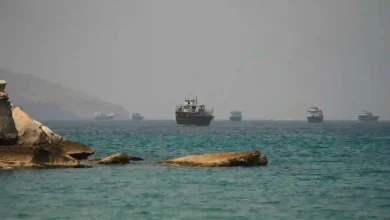
Strait of Hormuz Battles: Iran Retaliates Against 10 Ships
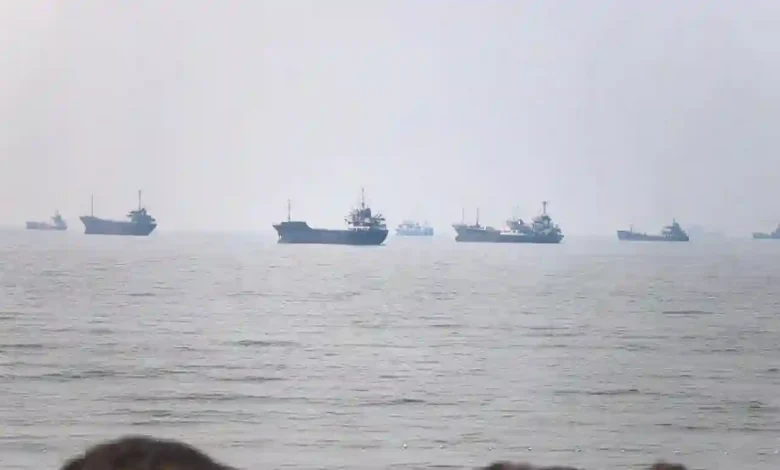
Table of Contents
Strait of Hormuz maritime security has collapsed into unprecedented chaos following a dramatic escalation between Western naval forces and the Islamic Republic of Iran. On Wednesday, Iranian state media confirmed that its naval forces targeted and attacked ten commercial vessels transiting the vital chokepoint. This massive offensive serves as a direct retaliatory strike after the United States Navy intercepted and sank five Iranian oil tankers suspected of smuggling crude to bypass international embargoes. Representing the single most aggressive day of shipping warfare since the outbreak of hostilities six months ago, this clash has pushed the regional theater into uncharted territory. For months, the international community has warned about the vulnerability of the Strait of Hormuz shipping corridor, where even minor skirmishes can disrupt a third of the world’s liquified natural gas and a fifth of global oil supplies. The current wave of attacks demonstrates that the threat is no longer theoretical, but an active, destructive reality that imperils global logistics networks and energy security.
Introduction to the Strait of Hormuz Flashpoint
The geopolitical significance of the channel cannot be overstated. Connecting the Persian Gulf with the Gulf of Oman and the Arabian Sea, this narrow body of water is the premier artery of the global energy economy. Ships traveling through the passage must navigate narrow inbound and outbound lanes that run through Iranian territorial waters, exposing them to asymmetrical warfare tactics such as fast-attack craft swarms, sea mines, and shore-based anti-ship missiles. The sudden spike in military exchanges has transformed this commercial highway into an active combat zone, fueling an escalating oil supply crisis that threatens to destabilize post-pandemic economic recoveries worldwide.
Iran :Chronology of the Maritime Escalation
To understand the magnitude of this week’s events, one must analyze the sequence of tactical engagements that led to this catastrophic naval exchange. The situation, which has been simmering for months, boiled over into direct kinetic action within a twenty-four-hour window, catching commercial shippers and regional defense forces off guard.
The U.S. Preemptive Strike on Iranian Tankers
The hostilities commenced early Tuesday morning when a U.S. carrier strike group, operating under international maritime security mandates, intercepted a flotilla of five heavily laden Iranian oil tankers. According to Pentagon briefings, these vessels were operating under flags of convenience and had disabled their Automatic Identification Systems (AIS) to evade detection. When the vessels ignored multiple warnings to halt for inspections, U.S. naval assets engaged, sinking all five tankers in a swift, coordinated action. Washington justified the strike as a necessary enforcement of maritime law, citing intelligence that the vessels were transporting illicit fuel to fund proxy militias across the Middle East. This decisive operation represented a sharp departure from previous containment strategies, signaling a zero-tolerance policy toward sanction evasion.
Tehran’s Retaliatory Wave Against Commercial Shipping
Tehran’s response was swift, widespread, and deliberately chaotic. Within hours of the tankers sinking, the Islamic Revolutionary Guard Corps Navy (IRGCN) mobilized dozens of fast-attack crafts, armed drones, and coastal missile batteries. In what military analysts describe as a coordinated swarm maneuver, Iranian forces launched simultaneous assaults on ten commercial vessels transiting near the strait. These targeted ships included container carriers, bulk carriers, and crude tankers owned by various international conglomerates. By targeting a diverse array of non-military vessels, Iran sought to maximize panic, signaling that no commercial entity operating in the region is safe from retribution. The coordinated nature of the strikes suggest that the Iranian military posturing had been planned well in advance, awaiting only a suitable pretext to unleash its offensive capabilities.
Global Economic Shockwaves and Crude Oil Surge
The economic impact of this naval skirmish was immediate and severe, reverberating across trading floors from London to New York. Because global markets are highly sensitive to disruptions in energy infrastructure, the news of ten damaged ships caused panic buying among commodity traders, leading to rapid fluctuations in global markets.
Brent Crude Breaches $100 Per Barrel
Immediately following reports of the shipping strikes, energy markets experienced a historic surge, with surging Brent crude oil prices breaching the psychological barrier of $100 per barrel for the first time in many months. Financial analysts warn that if the strait remains a hot combat zone, prices could easily escalate further, creating systemic inflation across Western economies. This steep rise in energy costs comes at a time when central banks are already struggling to balance inflation targets and interest rates, threatening to trigger broader fluctuations in oil and bond yields. High oil prices act as a direct tax on consumers, driving up the cost of manufacturing, transport, and agricultural production globally.
| Indicator | Pre-Attack Level | Post-Attack Level | Percentage Change / Impact |
|---|---|---|---|
| Brent Crude Price | $84.50 / bbl | $103.20 / bbl | +22.1% Increase |
| War Risk Insurance Premium | 0.05% of hull value | 0.55% of hull value | +1000% Increase |
| Daily Tanker Transit Volume | ~21 million barrels | ~9.5 million barrels | -54.7% Reduction |
| Strait Shipping Lane Status | Open / Cautionary | Highly Restricted | Severe Logistics Bottleneck |
Humanitarian and Geopolitical Consequences
Behind the macroeconomic numbers and strategic naval maneuvers lies a profound human cost. The merchant mariners who staff these international vessels have found themselves on the front lines of a conflict they did not start, highlighting the immense physical dangers faced by civilian crews operating in high-risk zones.
Seafarer Casualties and Security Protocols
Initial casualty assessments from maritime rescue coordination centers are grim. At least one merchant seafarer was confirmed killed during a missile strike on an international bulk carrier, and another remains listed as missing after jumping overboard to escape a localized shipboard fire. In response to the escalating danger, maritime unions have called for immediate security escorts for all civilian crews, while some shipping lines have suspended transits entirely. This human tragedy complicates diplomatic efforts, as Tehran vows painful retaliation against any nation aiding the Western-led maritime coalition. The escalation has placed additional stress on the six-month-old war trajectory, making a diplomatic resolution increasingly difficult to envision.
Naval Deployment and International Security Options
The international community, led by the United States and its European allies, is scrambling to restore order to the waterways. However, executing effective security operations in such a confined geographic space presents severe tactical challenges. While naval escorts can protect individual high-value assets, providing comprehensive cover for the dozens of commercial vessels transiting the strait daily requires an unsustainable volume of warships. Furthermore, any direct intervention by Western navies risks drawing other regional actors into the fray, potentially transforming a localized maritime dispute into a multi-theater war. Security experts are also examining how unilateral U.S. sanctions against Iran have shaped Tehran’s calculations, with some suggesting that economic isolation has left Iran with few incentives to adhere to international maritime norms.
Strategic Implications for Global Maritime Logistics
The long-term consequences of this maritime conflict will likely rewrite the rules of global shipping and supply chain management. Companies are already altering transit routes, opting for the longer and more expensive journey around the Cape of Good Hope rather than risking passage through the Middle East. While this detour ensures the safety of crews and cargo, it adds weeks to transit times and dramatically increases fuel consumption, further straining global logistics capacity. Additionally, shipping corporations must grapple with soaring insurance costs, as underwriters reclassify the entire Persian Gulf as a high-risk zone. Ultimately, the cost of these disruptions will be passed down to the global consumer, highlighting the fragile reliance of modern commerce on a handful of vulnerable geographical chokepoints.