Pakistan Leads High-Stakes US-Iran Mediation Before Crucial MoU Deadline 2026
Table of Contents
Pakistan is working to bring the United States and Iran to the negotiating table in an urgent bid to prevent a wider escalation of regional conflict. As hostilities threaten to engulf the entire Middle East, the Pakistani Foreign Ministry has launched an intensive diplomatic campaign. This intervention comes at a critical juncture, with the regional situation deteriorating rapidly amidst the unfolding 2026 Iran war. Islamabad is leveraging its unique bilateral relationships with both Washington and Tehran to establish a channel for dialogue, attempting to defuse a crisis that has already disrupted global trade routes and heightened military readiness across the region.
The urgency of Pakistan’s mediation is underscored by the looming expiration of a crucial diplomatic agreement. A 60-day Memorandum of Understanding (MoU) designed to maintain a fragile status quo is set to expire on Sunday. Without a breakthrough or an extension of this agreement, diplomats fear that the regional conflict could transition into an unmanageable, multi-theater war. Observers note that the expiration of this timeline could trigger a cascade of aggressive maneuvers, making immediate diplomatic negotiations with Iran the only viable pathway to halt further military escalation.
In a direct and highly visible move, Pakistani Interior Minister Mohsin Naqvi recently visited Tehran for discussions with high-ranking Iranian officials [1]. Naqvi’s mission represents a key component of Islamabad’s shuttle diplomacy. During his meetings, the Interior Minister emphasized the catastrophic economic and security consequences of continued escalation, especially following incidents like the seizure of a Strait of Hormuz tanker. Naqvi conveyed Pakistan’s stance that a peaceful resolution is not only desirable but essential for the survival of the regional economic architecture, which is currently on the brink of collapse.
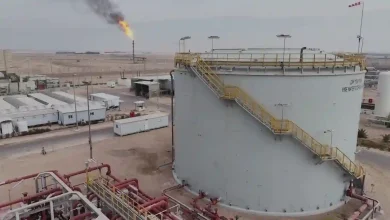
A central objective of Pakistan’s mediation is securing the safety of global maritime routes, particularly the Strait of Hormuz [1]. This vital passage, through which a significant portion of the world’s petroleum flows, has become a primary flashpoint. Recent confrontations have put critical Iranian energy infrastructure directly in the crosshairs of allied military planners, raising fears of prolonged global energy shortages. Pakistan’s diplomatic team is working tirelessly to secure commitments from Tehran to keep the strait open, arguing that any blockade would inevitably isolate Iran further and alienate key Asian partners who rely heavily on Middle Eastern crude oil.
The regional security architecture has been further complicated by fears of a devastating counter-strike. Diplomatic sources suggest that the highly anticipated Iranian retaliation plan remains a major hurdle to achieving a sustainable ceasefire. Iran’s military command has repeatedly signaled its readiness to respond to what it views as direct provocations by the US-Israeli coalition. Pakistan is attempting to offer Tehran alternative security assurances that would allow the Iranian leadership to de-escalate without appearing to capitulate under external pressure.
| Geopolitical Factor | Current Status (August 2026) | Pakistan’s Mediation Goal | Potential Risk if Unresolved |
|---|---|---|---|
| 60-Day MoU Deadline | Expires on Sunday | Secure a 30-to-60 day extension | Immediate escalation and collapse of talks |
| Strait of Hormuz Security | Disrupted; high tension | Ensure unhindered commercial transit | Global energy crisis and oil price spikes |
| U.S.-Iran Hostilities | Active airstrikes & preparations | Initiate direct/indirect negotiations | Full-scale regional war |
| Regional Diplomatic Trust | Extremely low | Establish Pakistan as a trusted mediator | Total polarization of the Middle East |
Concurrently, negotiations regarding a proposed Strait of Hormuz deal have faced severe bottlenecks. While Pakistan has attempted to draft a framework that guarantees maritime safety in exchange for partial sanctions relief or a temporary freeze on military maneuvers, both sides remain deeply entrenched in their respective positions. The threat of a widening U.S. war with Iran casts a long shadow over these efforts, as Washington demands complete compliance with maritime protocols before any diplomatic concessions can be discussed.
On the other hand, analysts are closely monitoring how domestic political shifts in the United States might influence the trajectory of the crisis. Some foreign policy experts suggest that the current administration’s strategic approach to Trump’s war in Iran has created a complex web of military commitments that are difficult to unwind. Pakistan’s foreign policy establishment is keenly aware of these dynamics and is tailoring its diplomatic messaging to appeal to the strategic interests of both the US administration and the clerical leadership in Tehran.
Pakistan’s Diplomatic Surge between Washington and Tehran
Islamabad’s diplomatic channels are humming with activity as the Pakistani government endeavors to perform one of the most delicate balancing acts in modern geopolitics. Operating as a bridge between the West and the Islamic Republic of Iran, Pakistan is uniquely positioned. It shares a long, porous border with Iran, has a deep-rooted history of security cooperation with the United States, and maintains crucial ties with China and the Gulf nations. This multi-layered alignment gives Pakistan a powerful voice in the ongoing efforts to forestall a massive regional disaster. The country’s Foreign Ministry has made it clear that any expansion of the current conflict would have devastating spillover effects across South Asia and the Middle East, potentially drawing in nuclear-armed powers and disrupting global supply chains.
The Critical 60-Day MoU Deadline and What is at Stake
The clock is ticking towards Sunday, the day when the temporary 60-day Memorandum of Understanding (MoU) is scheduled to expire. This MoU had temporarily frozen offensive maritime operations and restricted targeted airstrikes, providing a fragile breathing room for diplomats. If the deadline passes without an extension or a formal transition to a structured peace process, the Middle East risks falling back into a state of active, unrestricted kinetic warfare. Military planners on all sides are reportedly reviewing operational plans in anticipation of Sunday’s deadline. Pakistani diplomats are racing to secure at least a short-term extension of the agreement, which would allow negotiations to continue under a structured framework rather than amidst the noise of active bombardment.
Mohsin Naqvi’s High-Stakes Mission to Tehran
Interior Minister Mohsin Naqvi’s arrival in Tehran was marked by a sense of extreme urgency [1]. Naqvi, a key figure in Pakistan’s security and administrative apparatus, held closed-door meetings with senior Iranian political and military figures. The objective was two-fold: first, to understand Iran’s absolute minimum conditions for extending the MoU, and second, to present a set of security and economic incentives that could make a diplomatic pause palatable to Tehran. Naqvi emphasized that Pakistan is not merely acting as a passive messenger but is actively working to construct a viable, multi-party mediation framework. He warned that the alternative—a direct conflict involving major global powers—would devastate regional development and result in unprecedented human and economic costs.
The Geopolitical Implications for the Strait of Hormuz
The Strait of Hormuz remains the single most critical chokepoint in the global energy economy [1]. A complete or partial closure of the strait would immediately send shockwaves through international markets, causing oil prices to spike and halting trade.
Energy Security and Maritime Trade
For decades, the free flow of commerce through the Strait of Hormuz has been a cornerstone of global economic stability. Over a fifth of the world’s liquefied natural gas (LNG) and oil passes through this narrow channel daily. Pakistan’s mediation emphasizes that keeping this strait open is non-negotiable. Even a temporary disruption could plunge developing economies into severe financial crises, while triggering inflation in developed Western nations. This economic reality is a primary lever that Pakistani negotiators are using to convince both Tehran and Washington of the absolute necessity of a peaceful resolution.
Regional Stability and the US-Israel Alignment
The close military coordination between the United States and Israel has created a formidable deterrence posture, but it has also heightened anxieties in Tehran. Iran views the allied military build-up as a direct threat to its national sovereignty. Islamabad is attempting to mitigate this security dilemma by proposing a series of reciprocal de-escalation steps. Under the proposed Pakistani framework, the US and its allies would scale back their naval presence in exchange for Iranian guarantees regarding commercial shipping and a halt to regional proxy activities.
Key Elements of the Mediation Framework
The mediation framework currently being circulated by Islamabad is structured around several core pillars:
- Immediate Extension of the MoU: Extending the current status quo by an additional 30 to 60 days to prevent an immediate resumption of hostilities on Sunday.
- Safe Maritime Corridors: Establishing internationally monitored safe zones within the Strait of Hormuz to guarantee the unhindered passage of merchant vessels.
- Indirect US-Iran Channels: Creating a permanent, secure communication channel—potentially hosted in Oman or Islamabad—to prevent military miscalculations.
- Sanctions Relief for Humanitarian Goods: Securing limited, targeted sanctions relief for Iran, focusing on essential medical and food imports, as a goodwill gesture from Washington.
Challenges and Obstacles to Achieving Lasting Peace
Despite Pakistan’s energetic efforts, the path to peace is filled with massive obstacles. The primary challenge is a profound, decades-long lack of trust between Washington and Tehran. Every diplomatic gesture is viewed with intense suspicion, and domestic political pressures in both countries make compromise politically risky. In Iran, hardline factions argue that any concessions to Western pressure will only invite further demands. Meanwhile, in the United States, political polarization makes any agreement with Tehran a target for intense domestic criticism. Bridging this ideological and political divide remains the greatest challenge facing Pakistani diplomats.
Pakistan’s Strategic Interest in Preventing Conflict
For Pakistan, mediation is not just a matter of international prestige; it is a critical national security imperative. Sharing a long border with Iran, Pakistan cannot afford a major war on its western flank. A conflict would inevitably trigger a massive influx of refugees, disrupt bilateral trade, and potentially destabilize Pakistan’s own security situation. Furthermore, Pakistan relies heavily on energy imports, making it exceptionally vulnerable to any disruptions in global oil markets. By positioning itself as a proactive mediator, Islamabad is acting to protect its own economic and sovereign interests.
Conclusion: Will Shuttle Diplomacy Avert Catastrophe?
As the Sunday deadline looms, the international community is watching Pakistan’s diplomatic gamble with bated breath. The stakes could not be higher. If Interior Minister Mohsin Naqvi’s mission to Tehran succeeds in securing an extension of the MoU and establishing a viable roadmap for negotiations, it will represent a historic triumph for Pakistani diplomacy. If it fails, the region may find itself on the precipice of an uncontrollable escalation. The next few days will determine whether the Middle East moves towards a fragile peace or descends into a devastating, wider conflict.