Strikes on Iran Cancelled 2026: Trump Halts Attacks After Gulf Plea
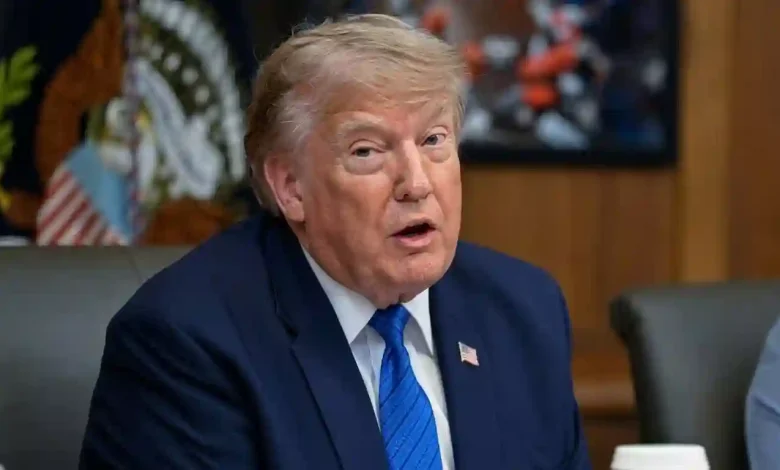
Table of Contents
Strikes on Iran have been cancelled by US President Donald Trump following an intense and rapid succession of diplomatic appeals from major Middle Eastern allies, most notably Saudi Arabia. In an announcement that surprised international observers, President Trump revealed on Saturday that he had agreed to hold off on planned military operations after direct pleas from Iranian leadership and other regional partners. This dramatic last-minute shift occurred hours after reports emerged that the Saudi Crown Prince, Mohammed bin Salman, personally initiated a high-level telephone call to express severe concerns regarding the potential economic and security consequences of any new military escalation. The decision highlights how crucial regional allies, especially Riyadh, retain significant influence over Washington’s strategic defense posture in the Persian Gulf. In retrospect, we can see how the decision by Trump cancels Iran strikes represents a critical inflection point in the ongoing maritime and economic standoff that has gripped the international community.
Introduction to the Dramatic De-escalation
The geopolitical landscape of the Middle East shifted rapidly over the weekend as the threat of an imminent, massive military strike against Iranian energy infrastructure receded—at least temporarily. Just days prior, US embassies across the region had issued urgent security alerts warning American citizens to prepare for flight cancellations, airspace closures, and unforeseen escalations. President Trump himself had signaled a severe offensive, warning that Washington was prepared to hit Iranian targets “very hard”. This came after months of intense tension following the breakdown of a previously negotiated ceasefire in June. However, instead of the anticipated bombardment, the world witnessed an eleventh-hour diplomatic breakthrough, altering the immediate trajectory of the conflict. The strikes on Iran planned for the weekend were shelved in favor of rapid diplomatic negotiations, a choice heavily influenced by the economic vulnerabilities of America’s closest allies in the Persian Gulf.
Inside the Saudi Diplomatic Intervention
The pivotal moment that led to the suspension of the military campaign occurred during a high-stakes telephone conversation between President Trump and Saudi Crown Prince Mohammed bin Salman (MBS). According to sources familiar with the exchange, the Saudi leader spoke frankly about the severe vulnerabilities that Riyadh would face if the United States launched an unprecedented military campaign against Tehran’s domestic energy assets. Historically, Saudi Arabia has relied on American military might as a security umbrella, but the realistic prospects of an uncontained regional conflagration forced a shift in Riyadh’s stance. Rather than encouraging a hardline stance, the Crown Prince urged the Trump administration to prioritize diplomacy and seek a framework for immediate de-escalation. The official Saudi Press Agency later confirmed the call, stating that the Crown Prince stressed the necessity of prioritizing dialogue to achieve a calm that preserves regional stability and prevents a wider conflict whose repercussions would affect global markets.
Mohammed bin Salman’s Direct Appeal to Donald Trump
The direct intervention by MBS underscores the unique relationship between the Trump administration and the Saudi royal family. Observers note that Saudi Arabia possesses significant diplomatic sway in Washington, often acting as a key conduit for Gulf Arab interests. In this instance, Riyadh’s primary concern was the precise nature of the target list compiled by US and Israeli defense planners. Reports suggested that the joint operation intended to strike crucial Iranian petrochemical facilities, power plants, and oil export terminals. Understanding that Iran would likely retaliate by striking neighboring Gulf energy infrastructure or blocking maritime transport entirely, the Saudi crown prince made a targeted appeal to Trump’s transactional view of foreign policy. This diplomatic push succeeded in pausing the kinetic phase of the conflict, allowing both sides to weigh the economic and military costs of a full-scale confrontation.
Economic Vulnerabilities of the Gulf and the Strait of Hormuz
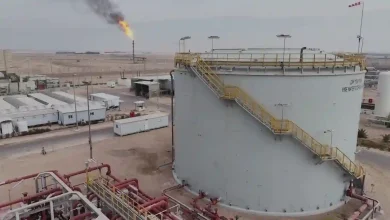
The central driver of Saudi Arabia’s diplomatic caution is the precarious Strait of Hormuz Iran situation, a critical global shipping choke point through which approximately one-fifth of the world’s petroleum flows. Any sustained military action against Iran risks shutting down the strait entirely, which would immediately cripple the export capabilities of Saudi Arabia, Iraq, the United Arab Emirates, and Kuwait. Over the course of the ongoing standoff, maritime traffic has already suffered due to localized drone strikes, naval blockades, and heightened insurance premiums. The prospect of a complete closure of the shipping channel threatened to trigger a global energy crisis and severe domestic economic disruptions within the Gulf. Thus, securing a workable Strait of Hormuz deal became the paramount objective for regional leaders who are economically at risk.
Cedric Leighton’s Strategic Assessment
Analyzing the military and strategic dynamics, CNN military analyst Cedric Leighton, a retired US Air Force colonel, emphasized that both Riyadh and Tehran are highly motivated to avoid a catastrophic escalation. Leighton observed that the Saudis are under intense, immediate economic pressure to ensure the Strait of Hormuz remains fully open to commercial shipping. “They’re economically at risk here,” Leighton noted, highlighting that the kingdom’s vast economic diversification plans and current state budget are deeply dependent on stable, uninterrupted oil exports. Leighton also pointed out that the Saudis, as a key US ally in the Persian Gulf, carry substantial weight with Donald Trump. This influence was successfully leveraged to halt the strikes. Concurrently, Leighton remarked that while Iran bets on calibrated resistance to assert its strategic leverage, the Islamic Republic is also facing severe economic exhaustion and domestic stress after five months of active hostilities. For Tehran, the diplomatic pause represents a much-needed opportunity to buy time, secure its political survival, and seek sanctions relief.
The Intricate Geopolitics of a Proposed “Rapid Deal”
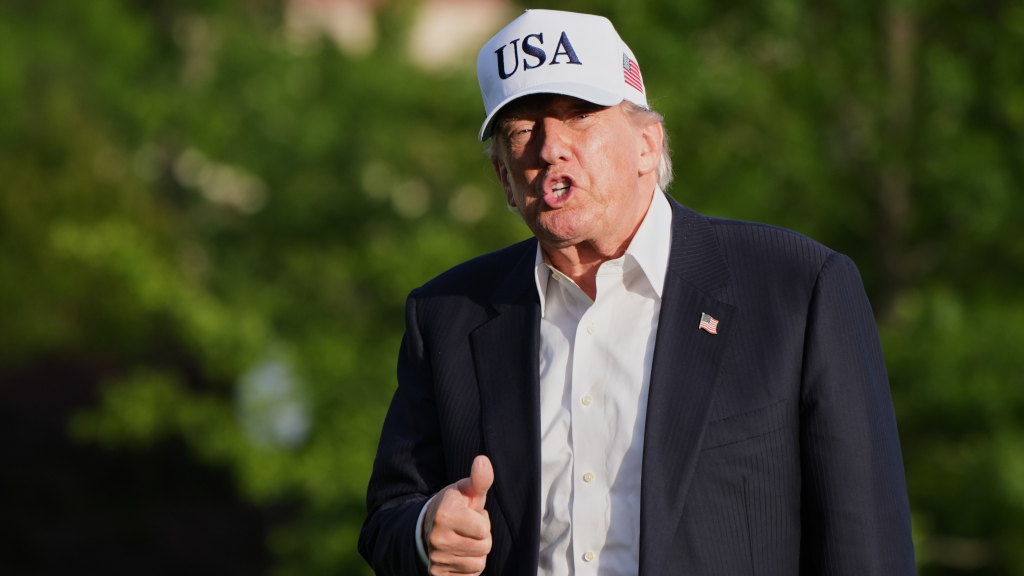
In his announcement on Truth Social, President Trump framed the postponement not as a retreat, but as a strategic pause designed to facilitate a rapid, comprehensive diplomatic agreement. According to the President, the parameters of the proposed deal would require the immediate, complete, and total reopening of the Strait of Hormuz, alongside a permanent end to Iran’s nuclear enrichment capabilities. Trump wrote that he agreed to the cancellation “for the future benefit of the WORLD and, likewise, the survival of a successful and prosperous Iran”. He also noted that Israel supported this diplomatic path, signaling a united front. However, achieving such a sweeping agreement within a short timeframe remains highly ambitious. The fundamental issues underlying the conflict—including regional proxy networks, economic sanctions, and maritime security protocols—are deeply entrenched and have resisted easy resolution for decades.
Iran’s Official Reaction and High Alert
While Washington projected optimism regarding an imminent deal, the reaction from Tehran was far more cautious and confrontational. Iranian state media and government spokespersons quickly disputed Trump’s characterization of the pause, denying that Iran had formally requested a postponement of the attacks. Iranian acting defense minister Majid Ebn-e-Reza characterized Trump’s announcement as part of a psychological operation and a war of calculations. Tehran maintained that its armed forces remain on high alert and are fully prepared to exercise their inherent right of self-defense should the United States or Israel resume aggressive actions. This divergence in rhetoric underscores the intense mistrust that persists between the two nations, even as backchannel negotiators—reportedly assisted by regional mediators like Oman—work tirelessly to finalize a stable memorandum of understanding.
Analysis of the Strategic Landscape
To better understand the motivations of the primary actors involved in this complex geopolitical standoff, we can analyze their respective strategic objectives, economic exposures, and immediate demands. The following table provides a comparative breakdown of the key nations involved in the current Persian Gulf crisis:
| Country | Key Strategic Objective | Primary Economic Exposure | Immediate Geopolitical Stance |
|---|---|---|---|
| United States | Dismantle nuclear capabilities & secure global maritime trade routes | Global oil price shocks & domestic political pressure ahead of elections | Conditional de-escalation pending a rapid, comprehensive deal |
| Saudi Arabia | Prevent regional war & ensure unhindered oil exports through Hormuz | Petrochemical revenue loss & physical infrastructure vulnerability | Diplomatic mediation and active pressure on Washington to hold back |
| Iran | Secure regime survival, lift sanctions, & maintain regional deterrence | Severe economic collapse, trade blockade, & domestic civil unrest | High military alert while utilizing backchannel diplomacy to buy time |
| Israel | Neutralize Iranian nuclear and existential security threats | Disruption to national security, shipping, and regional commerce | Aligned with US decision but prepared for unilateral military action |
This comparative overview illustrates the delicate balance of power in the region. While the United States possesses overwhelming military superiority, the practical costs of initiating a full-scale U.S. war with Iran are prohibitively high for all parties involved. The potential disruption to global supply chains, coupled with the threat of asymmetric retaliation against Gulf oil facilities, creates a powerful deterrent that continually pushes the actors back toward the negotiating table, despite their hostile rhetoric.
Chronology of the Diplomatic and Military Reprieve
The events leading up to this weekend’s reprieve highlight the extreme volatility of the modern Middle Eastern security environment. The current phase of the conflict, which marks Iran war day 159, has seen a steady progression of military posturing, drone intercepts, and covert cyber operations. For instance, only a few days prior on Iran war day 156, naval forces in the region were actively engaged in escorting commercial tankers and neutralizing hostile unmanned aerial vehicles. The sudden pause in military planning offers a critical breathing room, but defense analysts warn that without a formal, binding agreement, the risk of a miscalculation remains exceptionally high.
According to reports from Reuters, European and Arab diplomats are working around the clock in Muscat and Geneva to establish a durable framework that can replace the fragile ceasefire. The primary challenge remains reconciling the US demand for a complete halt to Iran’s nuclear enrichment with Tehran’s demand for immediate, verifiable relief from economic sanctions. As long as the Strait of Hormuz remains the focal point of global energy security, the economic stakes will continue to dictate the limits of military action, forcing even the most hawkish leaders to yield to the realities of global trade interdependence.