Strait of Hormuz: Iran and Oman Near Partial Shipping Deal 2026
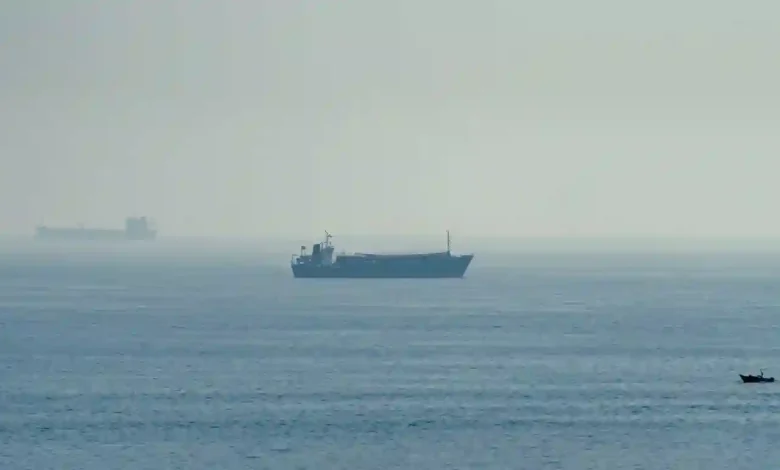
Table of Contents
Strait of Hormuz negotiations have reached a critical juncture as Iran and Oman edge closer to finalizing a novel maritime agreement, aiming to establish new administrative arrangements for one of the world’s most vital maritime choke points. According to reports from Iran’s state news agency on Thursday, the proposed framework does not contemplate a full reopening of the strategic waterway, which has been severely disrupted by the ongoing military conflict in the Middle East. Instead, the bilateral discussions focus on a highly calibrated, partial reopening that would allow restricted shipping corridors to operate under shared regional oversight. This diplomatic momentum has sparked intense interest globally, particularly following comments from President Donald Trump, who publicly stated that a lot of progress had been made on the matter and hinted that a formal announcement regarding the waterway could be imminent. However, as regional diplomats work to finalize the coordinates, the geopolitical theater is complicated by lingering disputes over maritime jurisdiction, ongoing military operations, and intense domestic debates within the United States regarding the sustainability of the war effort.
Table of Contents
- The Strategic Importance of the Strait of Hormuz
- The Iran-Oman Draft Agreement
- President Trump’s Diplomatic Optimism
- The Munitions Debate
- Dissecting the Camp David Confrontation Reports
- Pentagon Inventories and Long-Term Stockpile Concerns
- Defense Secretary Pete Hegseth and Pentagon Strategy
- Comparative Analysis: Maritime Control Frameworks
- Regional Escalations and Allied Defense Pacts
- The Diplomatic Road Ahead
The Strategic Importance of the Strait of Hormuz
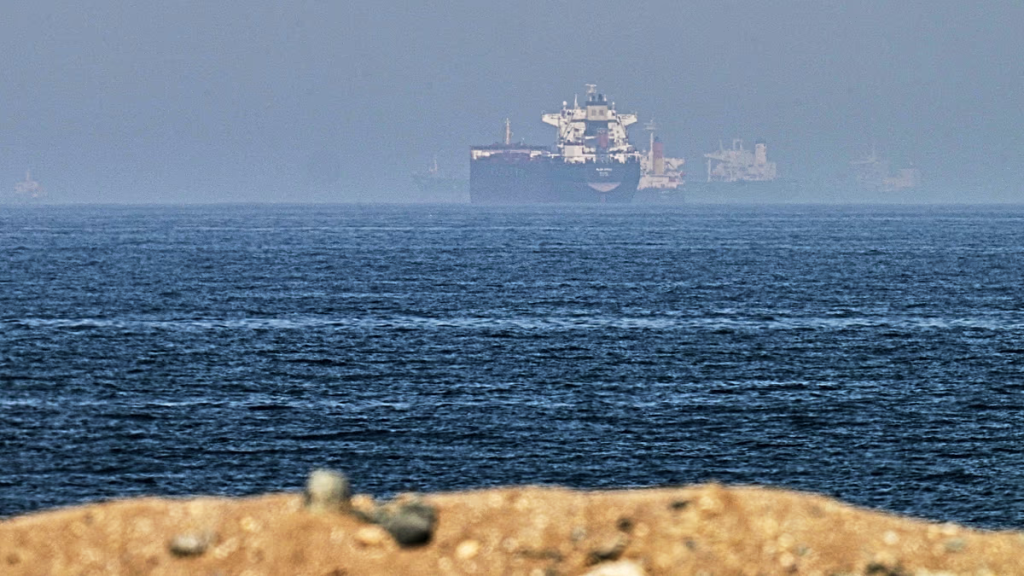
The Strait of Hormuz is widely regarded as the world’s primary energy transit corridor, connecting the petroleum-rich Persian Gulf with the Gulf of Oman and the Arabian Sea. Statistically, approximately 20 percent of the world’s liquefied natural gas (LNG) and petroleum consumption flows through this narrow channel daily. Due to its unique geography—where shipping lanes are forced to pass through the territorial waters of Iran and Oman—the strait has long been a geopolitical flashpoint. The current war, which commenced earlier this year, effectively closed the strait, triggering sharp spikes in global oil prices and casting a long shadow over global economic stability. In this environment, recent diplomatic efforts on the maritime corridor represent the first serious attempt to restore a semblance of commercial traffic, even if under highly restricted and contested guidelines. For the global economy, any progress toward reopening the strait is a welcome development, though market analysts remain cautious about the long-term feasibility of a partial reopening that leaves major security questions unanswered.
The Iran-Oman Draft Agreement
According to reports from Tehran, Omani and Iranian officials have been holding intensive bilateral sessions to draft a localized protocol for maritime traffic. This proposed agreement is distinct because it departs from the historical consensus of the Strait of Hormuz as an open international waterway. Instead, the framework would see Oman oversee outbound commercial shipping through the southern channel, while Iran would assert heightened regulatory control over ships navigating the northern sectors. Iranian officials have made it clear that a full reopening remains impossible as long as the U.S.-backed economic blockade on Iranian ports remains in place. This localized diplomacy builds on the initial Strait of Hormuz deal negotiations that began weeks ago under Omani mediation. Crucially, while Washington has claimed involvement in the process, Iran denies direct bilateral talks with Washington, maintaining that its negotiations are strictly confined to regional interlocutors like Muscat. This dynamic suggests that any breakthrough will require a complex, multi-layered choreography where Oman acts as the bridge between two hostile states that refuse to recognize each other’s direct terms.
President Trump’s Diplomatic Optimism
Despite Tehran’s insistence on excluding direct American input, President Trump has maintained a highly optimistic tone. Speaking to reporters, the president declared that “a lot of progress had been made” and suggested that a major announcement could be delivered in the very near future. However, foreign policy analysts point out that achieving a durable settlement may force the president into a difficult geopolitical compromise. The White House has previously vowed to reject any deal that formalizes Iranian hegemony over the Persian Gulf or permits Tehran to levy transit fees on international commercial shipping. If the proposed Iran-Oman arrangement grants Tehran regulatory authority over shipping coordinates, it could be perceived as a significant concession by Washington. Such a compromise is highly sensitive for the administration, given that the Trump administration’s planned military objectives were originally designed to dismantle Iran’s regional influence and force a complete capitulation on its nuclear program. A deal that solidifies Iran’s role as the gatekeeper of the strait could therefore invite sharp criticism from domestic hardliners who favor a policy of maximum military pressure.
The Munitions Debate
Adding to the political complexity surrounding the negotiations are persistent rumors of military supply strains within the United States armed forces. Reports recently surfaced in prominent media outlets, including the Washington Post, indicating that the administration is dealing with dwindling stockpiles of advanced, precision-guided munitions. These reports suggested that during a recent cabinet meeting at Camp David, the president expressed deep frustration over the rate at which U.S. forces are consuming key naval and aerial armaments. The high intensity of the conflict—marked by an intensive campaign of airstrikes against Iranian military infrastructure—has undoubtedly placed unprecedented demands on the defense industrial base. The administration, however, has vehemently denied these reports, with the president characterizing them as fabricated narratives designed to undermine American leverage at the negotiating table. He insisted that the military remains fully equipped to sustain operations indefinitely and that any discussions regarding munitions were standard strategic reviews rather than a sign of crisis.
Dissecting the Camp David Confrontation Reports
The leaks from the Camp David cabinet meeting depicted a tense atmosphere where senior civilian leaders and military commanders debated the long-term sustainability of the naval campaign. Critics of the administration have seized on these reports to argue that the U.S. is overextended, asserting that the rapid depletion of advanced interceptors and air-to-ground missiles limits American strategic flexibility globally. Conversely, administration officials have sought to downplay the severity of the debate, describing it as a “robust and healthy” conversation typical of wartime planning. They emphasize that while defense planners always advocate for larger inventories, the current stockpile levels are more than sufficient to meet any immediate operational contingency. This domestic political struggle highlights the high stakes of the conflict, where perceptions of military readiness can directly influence the diplomatic leverage held by negotiators in Muscat and Washington.
Pentagon Inventories and Long-Term Stockpile Concerns
Despite the official denials, independent defense analysts warn that the rapid rate of expenditure in the Middle East has exposed structural vulnerabilities in the American defense industrial base. Precision weapons, such as the Tomahawk land-attack missiles and Standard Missile interceptors used to protect shipping lanes, cannot be replaced overnight. Production lines often require months, if not years, to scale up. The Pentagon’s challenge is to balance the immediate requirements of the active conflict with the necessity of maintaining strategic reserves for potential contingencies in other theaters, such as the Indo-Pacific. While the White House maintains that there is no imminent shortage, the debate itself has added urgency to the diplomatic track, providing a strong incentive for the administration to seek a localized resolution that reduces the operational tempo of the U.S. Navy in the region.
Defense Secretary Pete Hegseth and Pentagon Strategy
Amid the swirling rumors of strategic disagreements and munitions depletion, President Trump has offered a full-throated defense of his leadership team, particularly Defense Secretary Pete Hegseth. The president emphasized that he is “extremely happy” with the job Hegseth is doing, explicitly dismissing reports of friction between the two men. Under Hegseth’s stewardship, the Pentagon has managed the rapidly expanding Iran war costs, which have placed significant pressure on the national defense budget. Hegseth has consistently projected a posture of strength, arguing that Iran’s actions in the Strait of Hormuz—including its efforts to block maritime trade—are signs of “sheer desperation” rather than strategic control. Hegseth’s supporters credit him with maintaining a high level of operational readiness and pushing the defense industry to accelerate production. However, critics argue that his unconventional approach and focus on rapid-response operations have strained relations with career military commanders who favor a more traditional, long-term strategic approach to regional containment.
Comparative Analysis: Maritime Control Frameworks
To understand the profound shift represented by the current negotiations, it is useful to compare the traditional legal framework governing the Strait of Hormuz with the new arrangements currently being discussed by Iran and Oman. The table below outlines the core dimensions of these two paradigms:
| Operational Dimension | Pre-Conflict Framework (UNCLOS Guidelines) | Proposed Iran-Oman Draft Arrangement (August 2026) |
|---|---|---|
| Legal Status | International strait subject to the right of transit passage. | Restricted transit with heightened coastal state regulatory oversight. |
| Navigational Control | Free and unimpeded passage for all commercial and military vessels. | Divided management, with Oman overseeing outbound lanes and Iran monitoring inbound lanes. |
| Security Enforcement | U.S. Navy and international coalitions (e.g., IMSC) patrol freely. | Localized maritime patrol, with potential restrictions on Western naval escorts. |
| Economic Transit Fee | Strictly prohibited under international maritime law. | Tehran proposes regulatory fees and selective transit approvals for certain vessels. |
This structural comparison illustrates that any formal agreement based on the current draft would mark a departure from decades of established maritime law. By accepting a system that increases Tehran’s regulatory footprint, the international community would effectively recognize a new status quo in the Persian Gulf. For Washington, this is a highly delicate diplomatic needle to thread, as it must balance the urgent economic need to restore oil flows with the long-term imperative of upholding international maritime norms and freedom of navigation.
Regional Escalations and Allied Defense Pacts
The geopolitical situation is further complicated by the actions of regional proxy groups, which continue to challenge the maritime order. In the Red Sea, the Iran-backed Houthi rebels have stepped up their operations, launching missile and drone attacks against Saudi oil tankers and government positions. These actions have escalated the conflict far beyond the immediate waters of the Persian Gulf, raising the prospect of potential escalations and massive strikes by allied forces. The worsening security environment has driven regional powers like Saudi Arabia, Turkey, and Pakistan to seek closer security cooperation, culminating in plans for joint defense agreements. This expansion of the conflict theater underscores the growing regional conflict risks, as localized maritime disputes threaten to draw in major international military powers. As long as the broader regional conflict remains active, any localized arrangement in the Strait of Hormuz will remain highly fragile and vulnerable to disruption by non-state actors operating along the periphery of the Persian Gulf.
The Diplomatic Road Ahead
While the announcements from Tehran and Washington suggest that a breakthrough may be near, significant obstacles remain on the path to a final, workable agreement. Iran’s insistence that it will not permit the strait to operate under pre-conflict rules directly clashes with the U.S. and allied insistence on unconditional freedom of navigation. Furthermore, the question of economic sanctions remains a major hurdle; Tehran is unlikely to agree to a full reopening of the waterway without substantial relief from the punishing economic blockades that have crippled its economy. As diplomats in Muscat work to bridge these deep ideological and strategic divides, the world waits to see if the current draft agreement can serve as a stepping stone toward a broader de-escalation, or if it will simply mark a temporary pause in an ongoing, high-stakes military standoff.