Iran Bets on Calibrated Escalation to Outlast Washington 2026
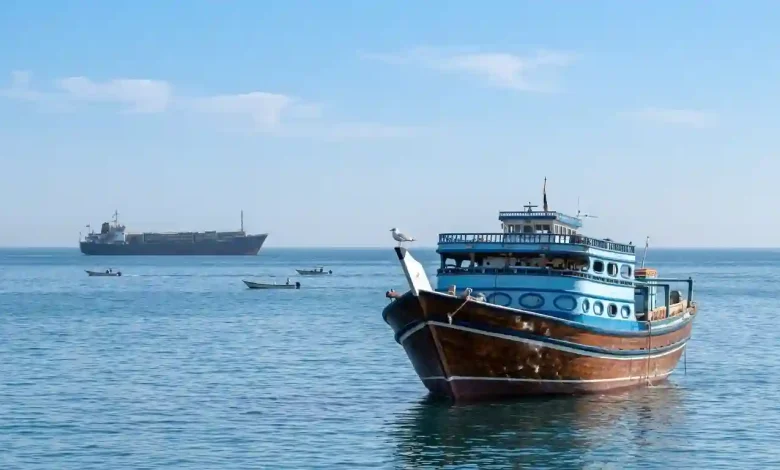
Table of Contents
Iran is betting it can outlast Washington by turning the Middle East’s trade routes, shipping lanes and energy infrastructure into pressure points that steadily raise the cost of confrontation, according to Gulf officials and analysts. Rather than seeking a decisive military victory, Tehran is pursuing a strategy of calibrated escalation aimed at widening the conflict without triggering full-scale war. The goal, experts observe, is to slowly exhaust the political will of the United States and its regional allies by proving that containing the crisis is far more expensive than accommodating Iran’s key strategic demands. Tehran’s calculation rests on a fundamental understanding of Western democratic lifecycles: democratic administrations must answer to electorates sensitive to rising energy prices and prolonged military deployments, whereas authoritarian regimes can absorb higher levels of isolation over extended periods.
By transforming crucial maritime thoroughfares into active risk zones, Tehran forces the international community to adopt expensive defensive postures. Instead of a direct, symmetrical confrontation with the U.S. Navy—which would undoubtedly end in a tactical defeat for the Islamic Republic—Iranian strategists have opted for a multi-front, slow-burn pressure campaign. Every week, a new geographical zone is threatened, a new weapon system is unveiled, or a new target set is identified. This continuous expansion of operational theatres ensures that the United States is kept off-balance, constantly shifting defensive assets to meet highly mobile, asymmetric threats across the region.
Strategic Leverage Overview
To understand the current crisis, one must dissect the structural imbalances between the participating powers. The United States possesses unmatched conventional military strength, yet this strength is difficult to translate into a permanent defensive shield for thousands of commercial vessels. Iran, on the other hand, utilizes geographically advantageous positions to command major global trade corridors. Rather than fighting to win a traditional war, Tehran is leveraging asymmetric tools—such as loitering munitions, fast attack craft, and sea mines—to raise insurance premiums, reroute cargo, and increase the economic toll on the global supply chain.
The Philosophy of Calibrated Escalation
The underlying framework of Tehran’s geopolitical strategy is not haphazard aggression, but rather a calculated methodology of controlled tension. The core of this doctrine relies on a calibrated escalation strategy that introduces new variables to the conflict at a tempo that prevents the United States from establishing a stable status quo. By ensuring that the crisis is constantly evolving, Tehran forces Washington to expend diplomatic and military capital continuously. This prevents the normalization of the conflict and forces the global economy to bear an enduring, unpredictable burden.
A critical component of this strategy is the expansion of geographical theater. If the U.S. concentrates its naval capabilities in one specific waterway, Iran shifts its attention, or directs its regional proxies, to strike in another. This geographic agility creates a shell game for Western planners. Western forces cannot be everywhere at once, and the cost of maintaining high-readiness strike groups in the region is immense. Tehran believes that by forcing Washington to bear these escalating overhead costs, it will eventually generate the domestic political pressure necessary to force U.S. concessions.
Exploiting Global Maritime Chokepoints
Iran’s geographic position provides it with natural, highly effective leverage over global maritime traffic. By utilizing its proximity to vital waterways, Tehran can turn global commerce into a strategic weapon. Rather than relying on a massive fleet of conventional warships, the Iranian Revolutionary Guard Corps (IRGC) employs swarming tactics, shore-to-ship missiles, and unmanned aerial vehicles to project power. This setup allows them to threaten shipping lanes without exposing their primary military assets to direct retaliation.
The Strategic Weight of the Strait of Hormuz
The Strait of Hormuz remains the ultimate economic lever in Tehran’s arsenal. Approximately one-fifth of the world’s petroleum passes through this narrow channel daily. Amid these rising tensions, discussions surrounding a potential Strait of Hormuz deal have surfaced, though progress remains stalled due to conflicting demands over regional security architecture and naval presence. Iran’s messaging is clear: if it is not permitted to export its energy resources freely, other regional exporters will face severe disruptions. This zero-sum logic underpins every tactical maneuver executed within the Gulf.
Red Sea and Bab-el-Mandeb Fronts
Beyond Hormuz, Tehran has successfully integrated secondary and tertiary chokepoints into its pressure matrix. Through its alignment with the Houthi movement in Yemen, Iran has established a highly effective proxy presence near the Bab-el-Mandeb Strait. This geographic diversification means that even if the United States succeeds in securing the Gulf, the Red Sea remains highly vulnerable. The dual threat to both major Middle Eastern shipping corridors complicates international logistics, forcing shipping conglomerates to take the costly alternative of routing vessels around the Cape of Good Hope, adding weeks to transit times and millions of dollars in operational costs.
Economic Warfare and Global Energy Assets
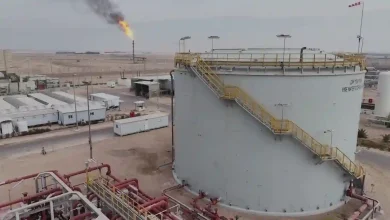
The primary target of Iran’s strategy is not military hardware, but the economic equilibrium of the international order. By systematically targeting global energy assets and shipping lanes, Tehran aims to trigger inflationary spikes that reverberate through Western financial markets. The vulnerability of energy infrastructure—ranging from desalinated water facilities and oil refineries to offshore drilling platforms—makes them ideal pressure points for asymmetric targeting.
| Asset Class / Chokepoint | Global Economic Significance | Iranian Leverage Mechanism | Primary Operational Threat |
|---|---|---|---|
| Strait of Hormuz | Consumes ~20% of global oil daily | Direct blockade potential & cargo seizures | Fast-attack craft, sea mines, shore batteries |
| Red Sea / Bab-el-Mandeb | Key corridor to Suez Canal; 12% global trade | Proxy-driven disruption (Houthi forces) | Anti-ship ballistic missiles, drone boats |
| Gulf Energy Infrastructure | Critical oil refining and storage facilities | Asymmetric precision strikes | Loitering munitions, cruise missiles |
| Subsea Data Cables | Carries international internet and financial traffic | Potential disruption of undersea infrastructure | Deep-water sabotage, proxy interference |
Washington’s Military Conundrum
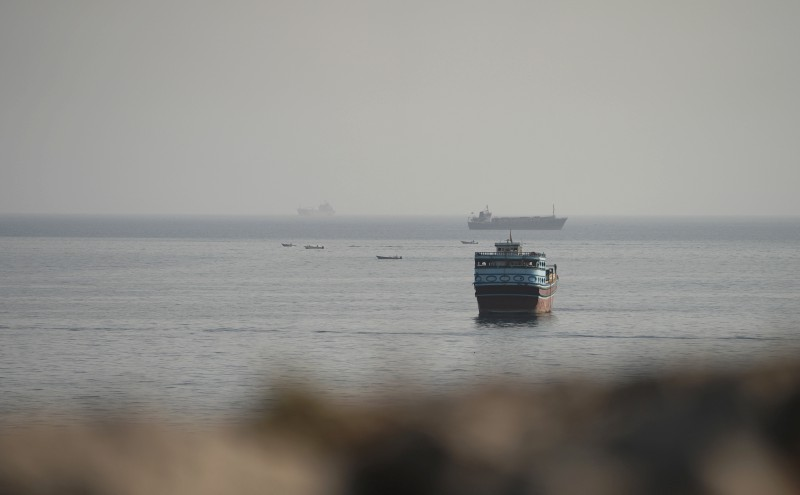
The escalation has placed the United States in a difficult strategic posture, where it must choose between costly open-ended defense or high-risk offensive escalation. Over the past several months, a U.S. airstrikes against Iran campaign illustrated the difficulties of neutralizing mobile launch platforms, showcasing that airpower alone struggles to eliminate deeply buried missile silos and highly mobile proxy groups. Every intercept of a low-cost drone using a multi-million dollar air-defense missile represents an unfavorable cost-exchange ratio for Washington.
Behind closed doors, military strategists debated planned attacks on Iran to degrade command centers, but concerns over an uncontrollable regional war have limited the scope of these operations. The situation has grown increasingly volatile following direct warnings from Donald Trump regarding catastrophic consequences if Tehran does not alter its trajectory. This rhetoric was fueled by military intelligence highlighting fears of a sudden offensive action from Iranian proxy networks targeting American assets in Iraq and Syria, which could trigger a massive, direct retaliation.
Gulf States in the Crossfire
For the Arab monarchies of the Persian Gulf, the ongoing standoff presents an existential threat to their economic diversification plans and national security. Countries like Saudi Arabia and the United Arab Emirates are acutely aware that their multi-billion dollar tourism, finance, and logistics hubs are highly vulnerable to asymmetric strikes. Consequently, these states have increasingly focused on diplomatic de-escalation, attempting to balance their security partnerships with Washington against their desire to avoid becoming targets for Iranian retaliation.
Despite regional mediation efforts, Tehran has repeatedly rejected Trump’s demands for total capitulation, viewing these ultimatums as politically impossible concessions that would dismantle the Islamic Republic’s regional influence. This defiance continues despite the White House issuing a warning of a final opportunity for diplomacy before a wider offensive. The Gulf states find themselves navigating a precarious middle ground, seeking to maintain economic stability while the two primary powers in the region continue their high-stakes game of chicken.
The Path Forward: Attrition or Accommodation
Ultimately, the confrontation in the Middle East is a test of political endurance rather than tactical supremacy. Iran is betting that the global economy’s sensitivity to energy shocks and maritime disruptions will eventually force Washington to accept a new security paradigm. By keeping the level of violence calibrated below the threshold of total war, Tehran maintains the initiative, deciding when and where to apply pressure. Until a comprehensive diplomatic framework is established that addresses the core security concerns of both Washington and Tehran, the region will likely remain locked in a cycle of calculated escalation, with global markets bearing the cost.