Trump cancels Iran strike 2026: Military onslaught halted as deal agreed
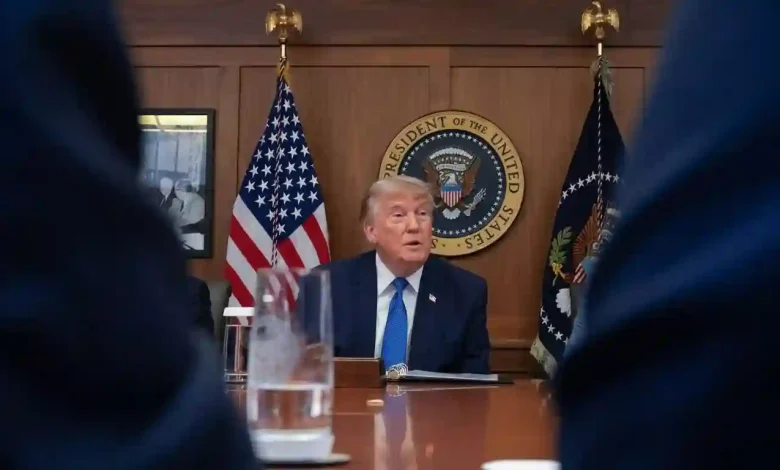
Table of Contents
Iran :Trump cancels Iran strike: A Sudden De-escalation in the Gulf
Trump cancels Iran strike plans, announcing late Saturday on his Truth Social platform that the “perimeters of a deal” have been successfully established, avoiding what many feared would become an uncontrolled regional conflagration. This sudden, high-stakes decision comes directly after reports from major US and Israeli media outlets indicated that Washington and Tel Aviv were preparing to strike Iran’s energy and nuclear infrastructure. The announcement marks a dramatic turning point in the prolonged standoff, occurring amid heightened conflict during the ongoing iran war day 153 cycle, which has strained regional security and global markets to their limits.
Iran :Inside the Cancelled Military Operation
In the tense 48 hours leading up to the announcement, the global community watched with bated breath as intelligence reports trickled out of Washington and Tel Aviv. The joint military operation was designed to be a decisive, devastating blow aimed directly at crippling Tehran’s economic and regional deterrence capability. Media leaks indicated that the offensive was not merely a warning shot but a highly coordinated campaign involving deep-penetration strikes, cyber-warfare, and electronic suppression systems. Had the order been executed, it would have marked the largest offensive campaign in the region in decades.
Iran :The Targeted Energy Infrastructure
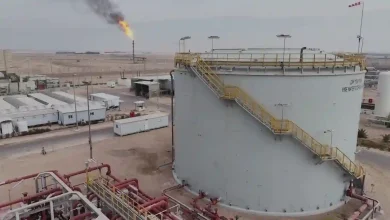
According to defense sources, the primary focus of the planned strike was Iran’s lucrative but highly vulnerable energy network. Specifically, military planners had zeroed in on the massive crude oil export terminal at Kharg Island, which handles over 90 percent of Iran’s seaborne oil exports. Additionally, the strategic refineries at Abadan and Isfahan were designated as secondary targets. The objective was to cut off the Islamic Republic’s primary source of hard currency, effectively forcing an economic collapse from within. However, the economic ramifications of such an operation would have extended far beyond the borders of the Middle East. Global energy supply chains, already fragile from months of regional instability, would have faced severe disruptions, with oil prices projected to soar past historic highs, threatening a global inflationary crisis.
Iran :US-Israeli Military Coordination
The logistics of the aborted operation involved unprecedented tactical integration between the United States and Israeli air forces. Joint command centers in Europe and the Middle East worked around the clock to synchronize flight paths, refueling schedules, and electronic jamming corridors. Stealth assets, including B-2 Spirit bombers and F-35 fighter jets, were positioned at strategic forward bases, ready to deploy. However, maritime security experts warned that any strike would trigger immediate asymmetric retaliation. The danger was highlighted by previous maritime confrontations, including a recent clashes involving a strait of hormuz tanker, proving that Iran retained the capability to close key global choke points and choke off energy supplies to Western nations.
The ‘Perimeters of a Deal’: What We Know So Far
Despite the advanced state of military readiness, the sudden de-escalation suggests that backchannel diplomacy had been quietly active behind the scenes. In his Truth Social post, the President emphasized that proceeding with the strikes would have been counterproductive given that the broad outlines of a diplomatic resolution had finally been achieved. While details remain sparse, international mediators—including Oman and Qatar—are reported to have worked tirelessly to establish a framework acceptable to both Washington and Tehran. This sudden pivot reflects the mounting financial and political pressures on the US administration, especially as domestic debates intensify over military expenditures where us iran war costs soar to 37.5bn, a staggering figure that has raised eyebrows among fiscal conservatives and the public alike.
Iran :Key Parameters of the Proposed Agreement
Insiders suggest that the emerging agreement revolves around several critical concessions. First, Tehran is expected to halt its advanced uranium enrichment activities and permit international inspectors access to critical nuclear facilities. In exchange, the United States would offer targeted sanction relief, specifically allowing restricted oil sales to resume under strict international supervision. Additionally, both sides have reportedly agreed to a mutual freeze on hostile military maneuvers, signaling a temporary ceasefire in the shadow war that has defined their relations for years. Whether these parameters can be converted into a formal, binding treaty remains to be seen, but the immediate halt to military strikes provides much-needed room for negotiators to finalize the details.
The Role of Truth Social in Modern Diplomacy
The decision to announce this monumental diplomatic shift on Truth Social underscores the administration’s unique approach to international relations. By bypassing traditional State Department channels and formal press briefings, the President effectively controlled the narrative, presenting the decision as a personal victory for his deal-making style. This direct-to-public communication bypasses bureaucratic hurdles, though it often leaves allies and defense officials scrambling to align their official statements with the executive’s public posture. Critics argue that this chaotic communication style risks miscalculation, while supporters praise it as a highly effective tool of maximum pressure that forces adversaries to negotiate under threat of immediate action. Diplomatic maneuvers reported by major global agencies like Reuters and domestic outlets confirm that this unorthodox strategy has once again disrupted traditional foreign policy norms.
Geopolitical Consequences of the De-escalation
The global reaction to the aborted strikes has been a mixture of immense relief and strategic skepticism. While the threat of an immediate war has receded, the underlying systemic rivalries remain deeply entrenched. Regional actors are keeping their forces on high alert, fully aware of how quickly a diplomatic breakthrough can collapse. In Tehran, hardline factions within the political establishment remain deeply distrustful of Washington’s long-term intentions, pointing to previous unilateral withdrawals from international agreements as evidence that any deal is inherently unstable.
Oil Markets and Global Economic Reaction
Financial markets reacted immediately to the news, with oil futures experiencing a sharp downward correction as trading opened. The threat of a massive disruption to Persian Gulf energy infrastructure had built a significant risk premium into crude prices. With the threat of military action neutralized for now, energy traders have adjusted their risk models, though volatility remains high. Economists warn that while the immediate crisis is averted, the long-term outlook for global trade depends heavily on the successful implementation of the proposed deal, as any renewal of hostilities would immediately re-ignite energy insecurity.
Regional Stability and Partner Responses
Regional partners, including Israel and Gulf Cooperation Council states, have reacted cautiously to the sudden policy shift. Israel, which had been actively preparing for joint military action, has reportedly demanded strict guarantees that any deal with Tehran will permanently dismantle its nuclear capabilities, rather than merely pausing them. Meanwhile, non-state actors allied with Tehran have also adjusted their posture. The escalation had previously seen dangerous skirmishes where the irgc targets us base facilities, alongside retaliatory measures when iran attacks u s bases in Iraq and Syria. The current diplomatic momentum is expected to influence broader conflicts, such as the ongoing negotiation where hamas agrees to ceasefire proposals in parallel regional talks.
Worldwide Caution and Security Posture
Despite the diplomatic progress, global security agencies remain on high alert. The threat of asymmetric attacks, cyber-warfare, and retaliatory proxy operations has not entirely dissipated. This ongoing tension is why the State Department issued a worldwide caution us state department warns citizens of heightened risks abroad. Intelligence agencies note that proxy networks may still operate independently of the central command in Tehran, meaning that a single unauthorized strike could still derail the entire diplomatic framework before it is officially signed.
Comparing Escalation vs. Diplomatic Breakthroughs
To understand the high-stakes trade-offs of this decision, it is useful to compare the projected outcomes of a military strike against the potential benefits of the newly proposed diplomatic framework. The table below details these key dimensions.
| Dimension | Military Escalation Scenario | Diplomatic De-escalation Scenario |
|---|---|---|
| Economic Impact | Severe global recession, oil shock, and disruption of trade. | Stabilization of oil prices, gradual recovery of market confidence. |
| Military Outcome | High casualties, risk of direct regional war, massive US deployment. | Ceasefire, reduction of active hostilities, preservation of resources. |
| Nuclear Status | Temporary setback to nuclear facilities, driving program underground. | Verifiable inspection regime, monitored limits on enrichment. |
| Alliance Dynamics | Strained relations with European partners; close alignment with Israel. | Broad international support, though requiring deep negotiation with Israel. |
Conclusion: A Fragile Peace in the Middle East
The decision to halt the planned offensive demonstrates the complex, unpredictable nature of modern geopolitics. While military force remains a powerful tool of deterrence, the immense economic and political costs of war have forced both Washington and Tehran to seek a pragmatic compromise. The coming weeks will be critical as negotiators work to transform the “perimeters of a deal” into a concrete, legally binding framework. Until then, the Middle East remains in a state of fragile peace, where the hope of diplomacy coexists with the ever-present threat of renewed conflict.