Hamas Asserts Political Role in Palestine’s National Fabric 2026
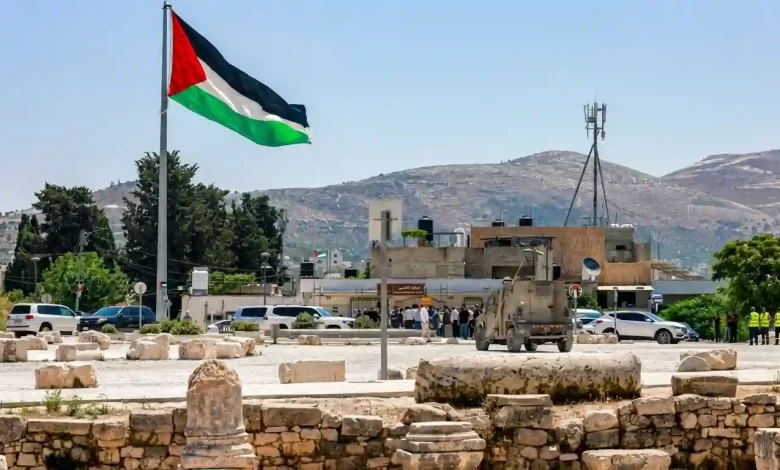
Table of Contents
Hamas remains deeply embedded within the fabric of Palestinian leadership, as the group navigates a highly complex transitional phase following a landmark ceasefire framework. In a historic interview with Al Jazeera, senior Hamas negotiator Ghazi Hamad declared that the movement will not withdraw from the political arena but will remain an integral part of the Palestinian national fabric. This strategic stance comes after months of backchannel negotiations under the auspices of the Board of Peace, which recently announced a comprehensive framework aimed at ending the protracted conflict in Gaza. Amidst the broader regional instability that has characterized the geopolitics of the Middle East, the announcement of a structured, phased peace plan represents a dramatic shift in how the enclave is administered. The agreement, brokered with the help of international mediators, marks a pivotal moment where political survival, civilian welfare, and territorial sovereignty intersect. For years, the civilian governance of Gaza was managed directly by Hamas, but the recent proposals suggest a transition toward a technocratic administrative body, a change that has sparked intense debate among political analysts and citizens alike.
Understanding the Board of Peace Disarmament Framework
This newly proposed framework, widely regarded as a significant diplomatic breakthrough, seeks to establish a structured roadmap for peace that addresses the core concerns of both Palestinian factions and international stakeholders. While various diplomatic actors have celebrated tentative military pauses to allow humanitarian relief, the structural components of this deal delve much deeper into the administrative and military realities of the territory. Under the guidelines of the Board of Peace, the agreement involves a phased withdrawal of Israeli forces and a corresponding transition of authority in Gaza. The framework demands that offensive military capabilities, including rocket arsenals and tunnel networks, be gradually cataloged and stored under the supervision of a dedicated national body. However, Hamas leadership has made it clear that this process cannot be unilateral. The group insists that any steps toward disarmament are strictly contingent on Israel honoring its ceasefire obligations, withdrawing its troop presence, and facilitating the reconstruction of the devastated Gaza Strip.
The Conditions of Disarmament: Withdrawal First, Weapons Second
Hamas has established a firm and non-negotiable sequence for the implementation of the disarmament roadmap. Ghazi Hamad emphasized that the movement will not execute any disarmament measures or allow weapons to be placed under centralized custody until Israeli forces have completely pulled back to pre-conflict positions. This situation is reminiscent of other regional diplomatic projects where hostilities begin to ease only when concrete, phased withdrawal guarantees are legally binding on all participating nations. Hamas officials argue that maintaining their defensive capabilities is a necessary safeguard against potential violations of the ceasefire. The group’s refusal to disarm beforehand highlights the profound deficit of trust that exists between the conflicting parties. According to the agreed framework, Israel will have no direct role or say in how the weapons are managed, secured, or eventually decommissioned; instead, this delicate task is designated solely to a Palestinian technocratic administration, ensuring that Palestinian self-determination is preserved even under international oversight.
Ghazi Hamad’s Statement: ‘Integral Part of the Palestinian National Fabric’
The rhetoric employed by Ghazi Hamad during his Al Jazeera address underscores the ideological resilience of Hamas as a political and social entity. He explicitly noted that the agreement was reached ‘under exceptional, difficult and harsh circumstances,’ reflecting the heavy toll of the blockade, military operations, and the urgent need to alleviate the suffering of the civilian population. Hamad asserted that the group will ‘continue to shoulder its national responsibilities and duties in pursuit of the legitimate rights of the Palestinian people’. This statement is a direct message to both allies and adversaries that Hamas does not view this agreement as a capitulation or an exit from the Palestinian cause. Historically, the region has witnessed numerous unstable ceasefires that collapsed under mutual distrust, which is why Hamas is treating this integrated framework with cautious, precise legal scrutiny. By positioning themselves as an inseparable component of the national fabric, Hamas seeks to maintain its political legitimacy and ensure its voice remains dominant in any future statehood negotiations.
The Role of the National Committee for the Administration of Gaza (NCAG)
Central to the implementation of the peace deal is the creation of the National Committee for the Administration of Gaza (NCAG). This technocratic body, composed of non-partisan professionals, economists, engineers, and administrators, is tasked with managing the day-to-day civilian affairs of the Gaza Strip, including public health, education, and the colossal task of reconstruction. The establishment of this body is the result of intense diplomatic efforts that occurred behind closed doors, striving to separate civilian administration from military and ideological conflicts. Under the terms of the agreement, the NCAG will serve as the sole authorized entity to manage, catalog, and store the decommissioned weaponry of Hamas and other armed factions. This arrangement is designed to alleviate international concerns regarding armed governance while preventing the direct intervention of foreign powers or Israeli authorities in Gaza’s internal security affairs. The success of the NCAG hinges on its ability to secure sufficient funding, maintain neutrality, and coordinate effectively with international stabilization forces.
The Crucial Role of Regional Mediators
The formulation of this intricate agreement would have been virtually impossible without the persistent diplomatic interventions of regional powerhouses. Egypt, Qatar, and Türkiye have played instrumental roles as primary mediators, coordinating between Hamas, the United States, and Israeli representatives to hammer out a viable compromise. These mediators have worked tirelessly to prevent a further escalation of conflicts in neighboring states, recognizing that peace in Gaza is intrinsically linked to the stability of the entire region. Egypt’s geographical proximity and historical role in administering the Rafah crossing make it an indispensable partner in security and logistics, while Qatar’s financial support and hosting of political offices have facilitated essential backchannel dialogues. Türkiye has provided strong political advocacy and humanitarian coordination. Together, these nations have provided the diplomatic safety net required to keep both sides engaged, even when negotiations appeared on the verge of collapse over thorny issues such as weapon custody and border controls.
Potential Stumbling Blocks and Obstacles to Implementation
Despite the optimism surrounding the announcement of the Board of Peace roadmap, several critical obstacles threaten to derail the agreement before it can be fully implemented. The primary challenge lies in the deep-seated ideological opposition from right-wing elements within the Israeli political establishment, who view any deal that leaves Hamas as an active political force as unacceptable. The stakes are exceptionally high, given the enormous war costs already incurred across the theater and the devastating humanitarian crisis that continues to plague Gaza. Furthermore, the practical logistics of weapon cataloging, the verification of troop withdrawals, and the coordination of the International Stabilization Force present monumental challenges. Any localized breach of the ceasefire by rogue factions or minor skirmishes near the border could quickly dismantle months of delicate diplomatic progress, plunging the region back into active warfare. According to official statements from Al Jazeera, the agreement covers a comprehensive list of compromises, but their successful implementation relies on absolute good faith from all signees.
Regional Geopolitical Repercussions and Diplomatic Mediation
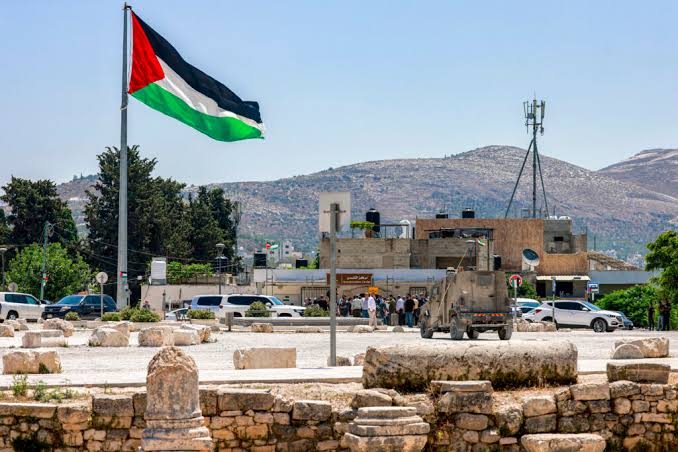
The geopolitical implications of the Gaza agreement extend far beyond the borders of the Palestinian territories, affecting the foreign policy calculations of major global powers, including the United States, European nations, and regional players. Furthermore, this breakthrough is heavily shaping the ongoing regional geopolitical maneuvers of major powers, who are observing the potential shift from armed conflict to technocratic governance. The involvement of the US administration in pushing for the Board of Peace framework reflects a broader desire to stabilize trade routes and secure diplomatic achievements before political transitions occur. However, the success of this peace initiative is closely watched by regional rivals, who may see the stabilization of Gaza as either an opportunity for cooperative security or a threat to their strategic influence. The realignment of diplomatic priorities in the Middle East will depend heavily on whether the NCAG can successfully transition Gaza into a period of prolonged peace and rebuilding.
The Future of Palestinian Unity and Sovereignty
For the Palestinian national movement, the agreement represents both an opportunity and a test of unity. By integrating Hamas into the broader national fabric under a technocratic administrative umbrella, the political landscape of Palestine may undergo a significant evolution. This arrangement could pave the way for renewed reconciliation talks between Hamas and Fatah, potentially leading to a unified leadership that can represent the Palestinian people on the international stage with greater authority. However, achieving genuine sovereignty remains a distant goal, as the presence of international stabilization forces and the complex security arrangements in Gaza will inevitably limit the immediate self-determination of the local administration. Nevertheless, Hamas’s insistence on maintaining its political role highlights the enduring reality that no sustainable peace can be achieved in Palestine without addressing the collective aspirations and representation of all political factions.
Summary of Key Elements of the Ceasefire Deal
To provide a clear and organized overview of the agreement, the table below outlines the core components of the phase two ceasefire deal, comparing the positions of Hamas with the proposed international frameworks:
| Agreement Component | Hamas / Palestinian Position | Israeli / International Position | Transition Authority / Mechanism |
|---|---|---|---|
| Weapons Disarmament | Conditional on full Israeli troop withdrawal and reconstruction | Demands complete and immediate decommissioning of heavy weapons | National Committee for the Administration of Gaza (NCAG) |
| Troop Withdrawal | Requires immediate and complete retreat of IDF forces to pre-conflict lines | Phased withdrawal linked to security milestones and verification | International Stabilization Force (ISF) oversight |
| Civil Administration | Hamas dissolves civil governance; integrates into national fabric | Demands non-Hamas, technocratic civilian governance | NCAG composed of non-partisan professionals |
| Security & Law Enforcement | Joint Palestinian national mechanisms without Israeli interference | Joint oversight with regional and international security forces | New Palestinian Police Force and international observers |
Conclusion: A New Era for Palestine
Ultimately, the transition of Gaza under the Board of Peace framework is a high-stakes endeavor that could redefine the Israeli-Palestinian conflict for a generation. Ghazi Hamad’s assertive declarations on Al Jazeera demonstrate that while Hamas is willing to make concessions to end the humanitarian catastrophe and secure reconstruction, it will not surrender its political existence or its role as a representative of the Palestinian national struggle. The coming months will test the resolve of the international community, the reliability of regional mediators, and the sincerity of the conflicting parties to uphold their commitments under exceptional, difficult and harsh circumstances.