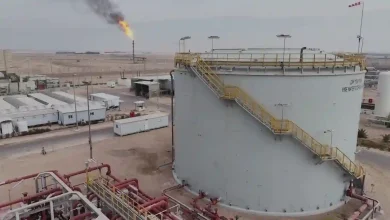
Hostile drones shot down by Kuwait amid rising Iran conflict 2026
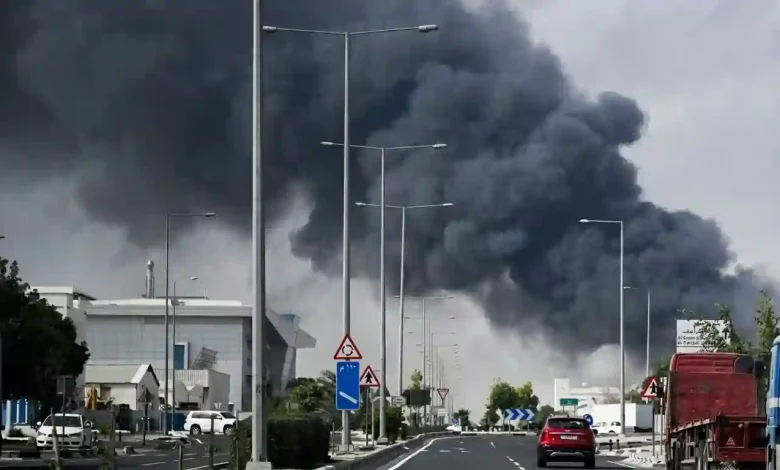
Table of Contents
Hostile drones detected and destroyed in Kuwaiti airspace on Saturday have pushed the Persian Gulf to the edge of a wider regional conflagration. The latest aerial incursion has fueled intense security concerns in Kuwait City, highlighting how the ongoing shadow war between Washington and Tehran is spilling into neighboring states. As Kuwait’s armed forces scramble to fortify their defense perimeters, regional military commanders are warning of catastrophic consequences if the regional states remain aligned with American defensive operations.
Hostile Drones Intercepted: Kuwait Airspace Penetrated
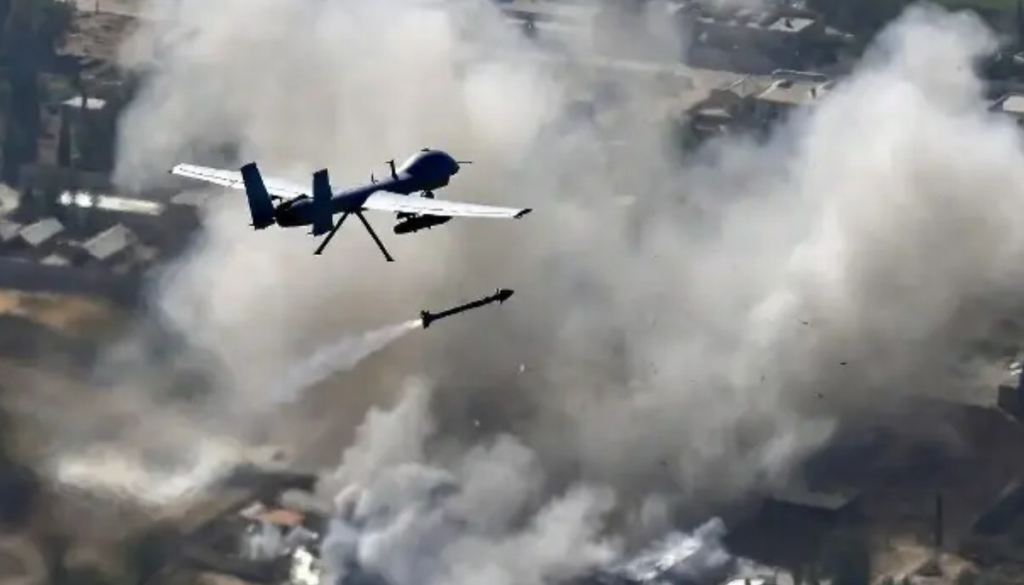
Kuwait’s army announced at dawn on Saturday, August 1, 2026, that its air defense units had successfully detected and neutralized several incoming hostile aerial vehicles. According to military officials, the synchronized attack targeted multiple vital facilities within the country’s sovereign borders. Security experts suggest the operation was a calculated attempt to test Kuwait’s air detection networks and signal vulnerability to regional players allied with the West.
Defense Ministry spokesperson Colonel Saud Al-Atwan confirmed that the military intercepted the aircraft before they could strike high-value assets. However, debris and shrapnel fell over civilian and commercial zones, causing significant material damage. The primary targets of the strike included a key governmental facility in northern Kuwait and several civilian assets belonging to a private enterprise located on Bubiyan Island. Fortunately, local health authorities reported no casualties or injuries from the falling debris, though security teams remained on high alert throughout the day.
The Iranian Warning: “Flames of War” to Consume Regional Allies
While Kuwait was dealing with the physical aftermath of the airspace breach, Tehran issued an aggressive, sweeping warning to the entire region. Major General Ali Abdollahi, the commander of Iran’s top joint military command—the Khatam al-Anbiya Central Headquarters—released a highly critical statement aimed at regional governments cooperating with the United States. General Abdollahi asserted that American policies in the Middle East are pushing the region down an accelerating path of full-scale warfare, describing Washington’s military footprint as a direct threat to Islamic nations.
The commander’s speech, broadcasted widely across state media, warned neighboring countries against serving as a defensive buffer for Western forces. General Abdollahi explicitly cautioned that regional countries acting as a “defensive shield” for the United States would find themselves “consumed by the flames of war.” He accused the U.S. military of utilizing the wealth, infrastructure, and geographical assets of sovereign Gulf nations to offset its own weakened strategic capabilities and bolster Israeli security campaigns.
Escalating Gulf Warfare: Geopolitical Context of the August 2026 Crisis
The drone incursions over Kuwait do not occur in a vacuum. They represent a dangerous escalation in the ongoing conflict on Iran War Day 153, which has seen direct military exchanges, cyber warfare, and proxy clashes across multiple Arab states. The confrontation has progressively intensified following direct threats from the Trump administration to execute massive retaliatory strikes against Iranian petrochemical networks and critical electrical grids if regional provocations continue.
Despite temporary diplomatic interludes, including brief periods where active airstrikes against Iran paused to allow backchannel negotiators in Muscat to draft de-escalation terms, the lack of a permanent security agreement has led to a breakdown in talks. Consequently, Iran and its network of regional proxies have renewed their pressure campaigns, seeking to break the American strategic perimeter by targeting logistics nodes in neighboring GCC countries.
Strategic Intercepts: Assessing the Drone Strike and Damage
Kuwait’s air defense capabilities have been put to a severe test. By utilizing advanced Patriot PAC-3 battery systems and coordinating closely with regional radar networks, the Kuwaiti Air Force successfully mitigated a disaster. To contextualize this attack within the broader trends of the summer of 2026, the following data table summarizes the recent aerial and maritime strikes recorded across the Persian Gulf:
| Date (2026) | Targeted Country | Primary Target Area | Alleged Source | Defense & Interception Outcome |
|---|---|---|---|---|
| May 10 | Kuwait | Northern Border Posts | Iraqi Proxies | Two drones engaged; minor border fence damage. |
| June 3 | Kuwait | Residential & Vital Sites | Direct Iranian Launch | 13 ballistic missiles & 17 drones intercepted; debris fell in residential areas. |
| July 31 | UAE | Abu Dhabi Airspace | Tehran Assets | Two drones intercepted by defense shield; zero casualties. |
| August 1 | Kuwait | Bubiyan Island / Northern Facility | Khatam al-Anbiya Forces | Multiple hostile drones destroyed; material damage reported on the island. |
This historical pattern of escalation highlights a concerted effort by hostile actors to pinpoint gaps in regional defenses, leveraging cost-effective unmanned aerial vehicles (UAVs) to force expensive defense interceptions by Gulf military forces.
Regional Backlash and Diplomatic Demarches
In response to the early morning strikes, the Kuwaiti Foreign Ministry issued a strongly-worded diplomatic condemnation. Describing the event as a continuation of “sinful aggression,” Kuwaiti officials characterized the attack as a flagrant violation of national sovereignty, a direct threat to domestic stability, and a severe breach of the United Nations Charter. The government stressed that it reserves its legitimate right under international law to implement all necessary security measures to safeguard its borders and citizens.
The Gulf Cooperation Council (GCC) also demonstrated swift diplomatic solidarity, with the regional bloc’s chief issuing a formal statement condemning the targeting of Kuwait’s civilian infrastructure. The GCC warned that such destabilizing actions undermine regional maritime security and threaten to dismantle months of delicate, multi-lateral peace negotiations designed to prevent a full-scale regional collapse.
The Strait of Hormuz Crisis and Global Impact
Beyond regional diplomatic rifts, the physical insecurity of the Gulf directly threatens international shipping routes. The ongoing Strait of Hormuz conflict has drastically reduced the safe passage of commercial oil tankers, forcing dozens of vessels to reroute around the Cape of Good Hope. With Kuwait’s vital energy installations under direct threat, market analysts are closely monitoring global fuel distributions.
As supply lines tighten, there are highly volatile oil prices projected for the final quarters of 2026. This energy shock has triggered significant anxiety across Western and Asian financial markets alike. Economists warn that this unchecked inflation threatens global economy structures, driving up freight shipping costs, increasing maritime insurance premiums, and pushing central banks to maintain elevated interest rates to combat rising domestic energy costs.
U.S. Military Positioning and Defensive Shields
The core of Iran’s geopolitical outrage stems from the significant presence of American military installations throughout the Arabian Peninsula. Kuwait hosts several critical American facilities, including Camp Arifjan and the Ali Al Salem Air Base, which serve as logistically vital hubs for U.S. Central Command (CENTCOM). Tehran views these bases not as defensive assets, but as launch pads for Western interventionism.
Tensions have reached a boiling point due to the heavy naval blockade on Iranian merchant vessels, designed to choke off the flow of weapons and specialized dual-use drone technology. In retaliation, the Islamic Revolutionary Guard Corps (IRGC) has repeatedly threatened to expand the scope of its operations. The direct IRGC threat warning to Western allies, including the United Kingdom and France, emphasizes that any logistical assistance offered to the American blockade will lead to direct retaliation against European assets in Middle Eastern waters.
Implications for Regional Hostilities and De-escalation Hopes
Fears of a wider war have prompted several diplomatic missions to advise their citizens to leave the region immediately. United States embassies in Amman, Baghdad, and Kuwait City have urged Americans to prepare for potential travel disruptions, sudden airspace closures, and localized emergency declarations. These defensive preparations signal that the regional military leadership is bracing for a long-term conflict.
Despite backchannel messaging through neutral channels, the once-promising hopes that hostilities would ease have practically evaporated under the weight of successive drone strikes. Neither Washington nor Tehran appears willing to blink first, with the Iranian leadership believing that threatening the sovereignty of Gulf partners like Kuwait will force the West to scale back its economic sanctions and naval blockades.
Future Outlook: A Gulf in the Crosshairs
Kuwait has historically maintained a carefully balanced, neutral foreign policy, often acting as a key diplomatic mediator in regional disputes. However, the direct targeting of its northern government assets and civilian facilities on Bubiyan Island proves that complete neutrality is becoming impossible in the face of modern asymmetric warfare. As drones and ballistic missiles continue to cross sovereign borders, the entire Gulf is finding itself dragged into the geopolitical crossfire.
As the international community watches the escalating threat matrix in the Middle East, the focus remains on whether Kuwait and its regional neighbors can withstand the military and economic pressures of the crisis. Without a cohesive regional defense pact or a comprehensive diplomatic breakthrough, the risk of a devastating regional war remains dangerously high, threatening to consume the global energy sector in its wake.