Netanyahu Aoun Call: Historic First Israel-Lebanon Direct Talk Since 1982
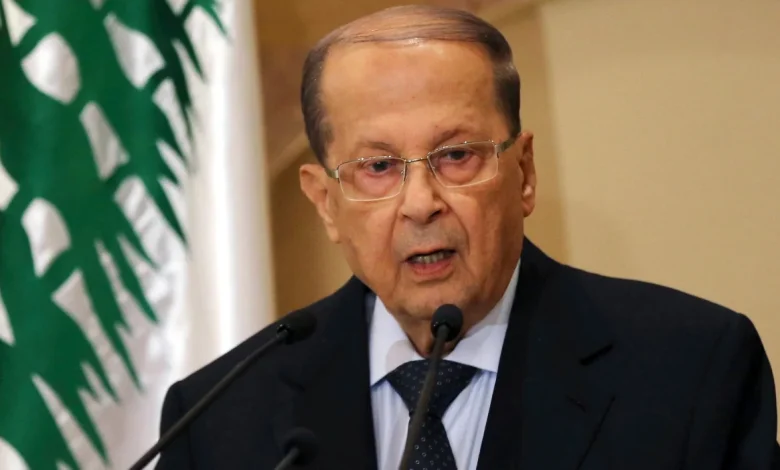
Netanyahu and Aoun: Breaking a Decades-Long Silence
Netanyahu and Lebanese President Joseph Aoun are expected to speak by phone today in what could be the most stunning diplomatic development in the Middle East this decade. If the scheduled call proceeds as planned, it will mark the first direct, unmediated contact between an Israeli and Lebanese head of state in over forty years. These are two nations that share no formal diplomatic relations, whose modern histories are inextricably linked by a devastating cycle of occupation, asymmetric war, and proxy conflict. The prospect of a simple phone call might seem mundane in global diplomacy, but across the militarized boundary of the Blue Line, it represents a tectonic shift in regional communication. For decades, messages between Jerusalem and Beirut have been delivered through the barrel of a gun, via intermediary envoys, or through the exchange of artillery fire. Breaking this absolute silence acknowledges a stark reality: the current trajectory is unsustainable, and diplomatic engagement, however fraught, remains the only viable path to de-escalation.
The Historical Significance of Direct Dialogue
The historical weight of this moment cannot be overstated. Lebanon and Israel have technically been in a state of war since 1948. Every interaction between the two states since then has been framed by conflict. The United Nations Interim Force in Lebanon (UNIFIL) was established specifically to monitor hostilities, and international mediators have spent decades shuttling between capitals just to negotiate minor maritime border adjustments or prisoner exchanges. Direct dialogue bypasses the traditional labyrinth of international brokerage. It places the onus of responsibility directly on the leaders of both sovereign states. For Lebanon, this is an opportunity to assert its national identity independent of the armed factions operating within its borders. For Israel, it is a chance to address the source of its northern insecurity at the governmental level rather than solely through military engagement with non-state actors.
Echoes of 1982: The Begin and Gemayel Precedent
To understand the gravity and the inherent danger of today’s expected phone call, one must look back to 1982. The last time Israeli and Lebanese leaders met face-to-face was during the tumultuous heights of the First Lebanon War, when Israeli Prime Minister Menachem Begin held a clandestine meeting with Lebanese President-elect Bachir Gemayel in Nahariya. At the time, Israel had invaded Lebanon with the objective of expelling the Palestine Liberation Organization (PLO), and Gemayel, a charismatic Maronite Christian militia leader, viewed Israel as a potential ally to restore Christian dominance and expel foreign fighters from Lebanese soil. The meeting was tense, shadowed by profound mistrust and the immediate violence ravaging Beirut.
Why the Last Direct Meeting Failed
The Begin-Gemayel summit ultimately produced nothing but a tragic footnote in history. Begin pressured Gemayel to immediately sign a public peace treaty, ignoring the fragile sectarian balance of Lebanon and the severe backlash such a move would trigger from the broader Arab world. Gemayel, acutely aware of his precarious domestic standing, refused to commit to a public alliance. Just two weeks after the Nahariya meeting, before he could even be sworn into office, Gemayel was assassinated in a massive bombing orchestrated by a member of the Syrian Social Nationalist Party. The assassination plunged Lebanon deeper into a brutal civil war and demonstrated the lethal consequences of uncalculated diplomacy in the Levant. History has proven that contact between these two countries has rarely translated into anything meaningful or lasting, serving instead as a cautionary tale for modern leaders contemplating peace.
Washington Talks and the Trump Administration’s Role
The catalyst for this unprecedented phone call is not a sudden eruption of goodwill, but an intense campaign of international pressure. With direct talks having taken place in Washington, the diplomatic framework has slowly been assembled behind closed doors. The United States, currently navigating its own domestic and foreign policy priorities, has heavily invested political capital into stabilizing the region. We are witnessing an environment where Donald Trump is pushing for a ceasefire with characteristic bluntness, using economic leverage and diplomatic ultimatums to force both sides to the table. The US administration recognizes that a wider regional war serves neither American interests nor global economic stability.
Shifting Geopolitics in the Middle East
The geopolitical landscape of the Middle East in 2026 is vastly different from 1982. The normalization agreements achieved through the Abraham Accords have proven that long-standing Arab-Israeli enmities can be overcome when strategic alignments coalesce. However, Lebanon presents a unique challenge due to its fragmented political system and the profound influence of external sponsors. The Trump administration’s strategy appears to focus on isolating non-state actors by elevating the authority of the Lebanese Armed Forces (LAF) and the presidency of Joseph Aoun. By facilitating this direct call, the US aims to legitimize the Lebanese state’s monopoly on diplomacy, thereby undermining parallel structures of power that have historically dictated Lebanon’s foreign policy.
Israel’s Demands: Disarming Hezbollah and Securing the North
Despite the historic nature of the call, the substantive divide between Jerusalem and Beirut remains cavernous. Israel’s security cabinet discussing terms has made its baseline requirements unequivocally clear. The Israeli government’s primary, non-negotiable demand is the complete disarmament of Hezbollah and its withdrawal north of the Litani River, in accordance with UN Security Council Resolution 1701. Israel has suffered relentless rocket fire displacing tens of thousands of its northern residents, creating a domestic political crisis that Netanyahu cannot ignore. From Israel’s perspective, any ceasefire that leaves Hezbollah’s arsenal intact is merely a temporary pause allowing the militant group to rearm for the next conflict. Israel insists on a robust enforcement mechanism, potentially including a fortified security buffer zone, before it will agree to halt its military operations.
Lebanon’s Counter-Demands: Full Sovereignty and Israeli Withdrawal
Lebanon’s position, articulated by President Joseph Aoun and his diplomatic corps, is equally stringent. Lebanon demands the immediate cessation of all Israeli military incursions, airstrikes, and violations of Lebanese airspace. Furthermore, the Lebanese state insists on a full Israeli withdrawal from all disputed territories along the Blue Line, including the Shebaa Farms and the village of Ghajar. Aoun’s administration cannot afford to be seen as capitulating to Israeli military pressure; doing so would instantly legitimize Hezbollah’s narrative that armed resistance is the only defense against Israeli aggression. Lebanon’s core argument is one of sovereignty: it demands to be treated as an equal state under international law, free from both external occupation and unauthorized proxy warfare.
Comparative Analysis: Demands and Sticking Points
The profound gap between the two nations is best understood through a direct comparison of their immediate and long-term strategic goals. The table below outlines the core friction points that Netanyahu and Aoun must navigate during their call and subsequent negotiations.
| Diplomatic Pillar | Israel’s Position | Lebanon’s Position | Potential Compromise |
|---|---|---|---|
| Hezbollah’s Presence | Immediate disarmament and withdrawal beyond the Litani River. | Internal Lebanese matter to be resolved through national dialogue. | Enhanced LAF deployment south of the Litani with expanded UNIFIL mandate. |
| Border Security | Creation of an enforceable security zone to protect northern communities. | Full Israeli withdrawal from all disputed border territories. | Demarcation of the Blue Line under US and UN supervision. |
| Military Operations | Right to preemptive strikes if Hezbollah rearms or poses an imminent threat. | Immediate and permanent cessation of all airspace and territorial violations. | Establishment of a joint monitoring mechanism involving international guarantors. |
| Sequence of Action | Security guarantees and Hezbollah withdrawal before a ceasefire. | Complete Israeli military withdrawal and ceasefire before internal restructuring. | Simultaneous, phased implementation overseen by Washington. |
The Reality on the Ground: Rockets, Resistance, and the Southern Theater
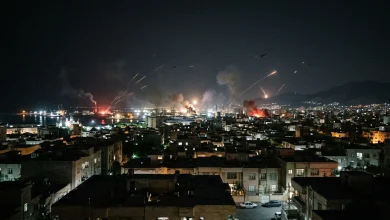
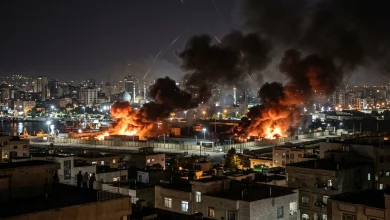
The fundamental flaw in this high-level diplomacy is the disconnect between the presidential offices and the tactical reality on the ground. A phone call between two state leaders is not a ceasefire, it is not a peace agreement, and it is certainly not the end of Hezbollah’s deeply entrenched presence in the south. While Netanyahu and Aoun exchange diplomatic rhetoric, Hezbollah is still firing rockets into northern Israel. The militant organization functions as a state within a state, possessing a military arsenal that dwarfs that of the official Lebanese Armed Forces. Hezbollah’s leadership has repeatedly stated that its operations are tied to broader regional struggles, essentially decoupling its military strategy from the political will of the Lebanese presidency. According to analysts at the International Crisis Group, any diplomatic agreement forged by Aoun that ignores Hezbollah’s operational autonomy risks sparking internal sectarian conflict within Lebanon.
Lebanon’s Sovereignty: A Nation Seeking Autonomy
Despite the overwhelming challenges, the anticipated dialogue carries profound moral and psychological weight for the Lebanese people. For far too long, Lebanon has been reduced to a mere chessboard for regional powers. It has been treated as a proxy theater in someone else’s war, suffering the catastrophic infrastructural and economic consequences of conflicts dictated by foreign agendas. This direct contact is something Lebanon has deserved for a long time and been denied: the right to be treated as a sovereign country whose leadership is worth speaking to directly. By engaging with Aoun, Netanyahu is implicitly recognizing the legitimacy of the Lebanese state apparatus. Empowering the Lebanese presidency is a necessary first step in state-building, giving the official government the diplomatic leverage it needs to eventually rein in independent armed factions.
Conclusion: Will This Phone Call Translate into Lasting Peace?
If the call happens today, the immediate aftermath will likely be characterized by cautious, highly manicured press releases from both Jerusalem and Beirut. No one expects a grand peace treaty to materialize from a single conversation. The ghosts of 1982 serve as a grim reminder that in the Levant, peace initiatives are often met with violent sabotage by those who thrive in the chaos of war. Hezbollah will likely escalate its rocket fire precisely to undermine the narrative of diplomatic progress, and Israeli hardliners will demand continued military strikes until tangible security guarantees are met on the ground. However, diplomacy has to start somewhere. Breaking the silence is a monumental achievement in itself. By establishing a direct line of communication, Netanyahu and Aoun are laying the fragile groundwork for a future where disputes might be settled in negotiation rooms rather than on the battlefield. It is a precarious gamble, fraught with historical peril, but in a region exhausted by perpetual war, it is a gamble that both leaders seem finally willing to take.