Elias Irizarry Tapped for Key Pentagon Counterterrorism Post
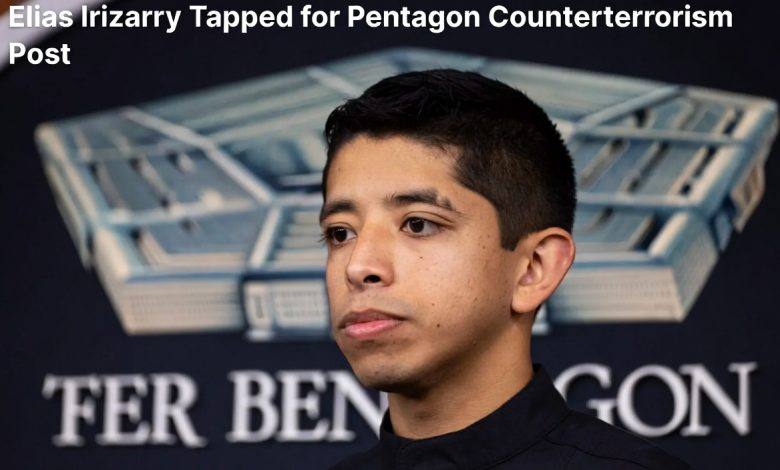
Elias Irizarry, a convicted participant in the January 6, 2021 Capitol riot, has been officially hired as a political appointee within the United States Department of Defense, a move that has sparked intense internal debate and national security concerns. The news, first broken by The Washington Post, centers on the controversial hiring of the former South Carolina military cadet into the Pentagon’s highly sensitive Special Operations and Low Intensity Conflict (SOLIC) office. This office represents one of the most critical centers of national security decision-making, overseeing global counterterrorism operations, irregular warfare tactics, embassy security, and hostage rescue operations. For many career defense officials and political analysts, the integration of an individual with a federal conviction stemming from an assault on the U.S. Capitol represents an unprecedented shift in vetting protocols and administrative norms.
Introduction to a Highly Controversial Appointment
The decision to appoint a convicted participant of the Capitol riot to a role within the Pentagon has sent shockwaves through the national security establishment. Career civil servants, military personnel, and external policy analysts have raised urgent questions regarding the vetting process and the potential risks associated with placing someone with a federal criminal record in a highly sensitive environment. Political appointments are inherently discretionary, but they have traditionally adhered to established national security standards to preserve institutional integrity. The arrival of Elias Irizarry in the halls of the Department of Defense is seen by critics as a direct challenge to these historical standards.
In addition to raising questions about security clearances, the appointment of Irizarry highlights a growing ideological shift in the selection of political personnel. By choosing someone with a past conviction tied to political unrest, the administration is signaling a willingness to prioritize political alignment and personal loyalty over conventional background criteria. This has intensified an already polarized debate regarding the nature of public trust and the responsibilities of those who hold sensitive government positions.
The Core of the Controversy: A Sensitive Counterterrorism Portfolio
The Special Operations and Low Intensity Conflict (SOLIC) division plays an integral role in coordinating the nation’s most delicate military initiatives. From embassy security to personnel recovery and host nation defense planning, the staff in this department must work under extreme confidentiality and with a high degree of operational security. Introducing a political appointee with a background in political extremism has raised alarms among career staff who are tasked with maintaining international partnerships and managing highly classified military files. Many argue that this appointment could degrade trust between the United States and foreign intelligence agencies that rely on strict confidentiality and adherence to institutional security protocols.
Who is Elias Irizarry? From The Citadel to the Capitol Steps
Elias Irizarry was a 19-year-old freshman cadet at the public military college in South Carolina, known as The Citadel, at the time of the Capitol riot. Coming from a background that included significant personal challenges, Irizarry had sought structure and discipline within the military college environment. However, his journey took a dramatic turn when he decided to travel to Washington, D.C., in early January 2021 with friends from South Carolina. The group attended the political rallies preceding the breach of the Capitol and subsequently joined the crowd that marched toward the legislative building.
Images captured on that day show Irizarry wearing a red “Make America Great Again” hat, climbing over walls, and entering the Capitol building through a broken window while carrying a metal pole. Though he did not personally engage in violence against law enforcement officers, his unlawful entry into the building put him at the center of one of the most significant federal investigations in modern American history. His identification as a Citadel cadet quickly made headlines, resulting in his immediate suspension from the college and setting off a complex legal battle.
The January 6 Prosecution and Subsequent Conviction
The legal fallout for Irizarry was substantial. He was charged alongside his traveling companions with multiple federal counts, including entering and remaining in a restricted building or grounds, and disorderly and disruptive conduct in a Capitol building. In late 2022, Irizarry reached a plea agreement with federal prosecutors, pleading guilty to a single misdemeanor count of entering and remaining in a restricted area. During his sentencing in 2023, he expressed deep remorse for his actions, stating under oath that he felt profound shame and acknowledged the gravity of the assault on the nation’s democratic processes.
Ultimately, the presiding federal judge sentenced Irizarry to 14 days in jail, along with probation and restitution. Despite this conviction, his supporters viewed his youth and his clear expression of regret as reasons for a second chance. Following his release, Irizarry began working as a legislative page in the South Carolina State House, an appointment sponsored by state Representative David O’Neal. In 2024, he went on to run for the South Carolina House of Representatives, though he ultimately lost in the Republican primary.
The Defense of the Appointment: Pentagon Deflects Criticism
The Department of Defense has aggressively defended the decision to hire Elias Irizarry, emphasizing his rehabilitation and his qualifications as a young professional. Political appointments are designed to give the sitting president the ability to staff key government offices with individuals who support the administration’s policy goals. From the administration’s perspective, Irizarry’s past mistake does not disqualify him from contributing to national defense, particularly given his background at a military college and his subsequent work in state government. This defense represents a broader philosophy of executive authority that asserts the right to define the standards for its own political personnel.
Below is a summary of the profile and timeline of Elias Irizarry’s background and transition into his current position at the Pentagon:
| Profile Dimension | Details and Key Information |
|---|---|
| Full Name | Elias Irizarry |
| Age at Riot (2021) | 19 years old |
| Education | The Citadel Military College (South Carolina) |
| Federal Charges & Conviction | Guilty plea to misdemeanor (unlawfully entering a restricted building) |
| Sentencing Details | 14 days in jail, probation, and restitution |
| State-Level Roles | Legislative Page, South Carolina House of Representatives; 2024 State House Candidate |
| Current Position (2026) | Political Appointee, Pentagon (Special Operations & Low Intensity Conflict) |
| Pentagon Spokesperson | Joel Valdez, Acting Pentagon Press Secretary |
Acting Press Secretary Joel Valdez Strikes Back
When questioned by national media outlets, Acting Pentagon Press Secretary Joel Valdez issued a statement that was both a defense of Irizarry and a direct attack on the press. Valdez confirmed that Irizarry “is a qualified, patriotic young professional, and we are proud to have him as a political appointee” at the Department of Defense. Rather than addressing the specific security concerns raised by internal staffers, Valdez chose to criticize the journalists who reported on the story, asserting that the media’s focus on Irizarry’s past was politically motivated and harmful to national interest.
Valdez’s statement accused the media of having a double standard regarding national security, claiming that the publication of classified information by reporters was a far greater threat than the hiring of a political appointee with a misdemeanor conviction. This combative stance highlights the growing tension between the current administration and traditional press oversight, reflecting a broader strategy of dismissing media scrutiny as partisan bias.
Political Context: The Broader Landscape of Political Appointees
The appointment of Elias Irizarry is emblematic of a larger, ongoing effort by the administration to challenge the traditional civil service and national security hierarchies. Historically, political appointees have been selected from a pool of seasoned policy experts, former military officers, and senior academics. However, the current administration has increasingly prioritized ideological loyalty and a shared skepticism of entrenched bureaucratic norms. This has led to the appointment of younger, non-traditional candidates who are viewed as more aligned with the executive branch’s direct agenda.
This appointment highlights the deep political divide that has persisted ever since the 2024 presidential election, an event whose fallout has reshaped both parties and sparked questions about political futures, as Harris’s 2028 ambitions stir debate over the 2024 election postmortem. As both major political parties prepare for future electoral contests, the struggle over who controls the federal bureaucracy and how appointments are handled remains a central battleground in American politics.
The Clash of Institutional Norms and Loyalty Tests
The friction between career national security professionals and political appointees has intensified in recent years. Career staff at the Pentagon, who are bound by strict non-partisan ethics and subject to highly standardized background checks, often view the bypass of standard qualifications as a threat to operational readiness. They argue that appointing individuals with controversial pasts can damage the department’s reputation and lead to institutional instability. While the administration defends its authority over appointments, it faces various legal headwinds, reminiscent of other executive decisions where grants halted by Trump administration officials were deemed unconstitutional in courts due to arbitrary administrative processes.
Deep Policy Implications for National Security Operations
The operational reality of the Special Operations and Low Intensity Conflict division means that political appointees are often privy to critical discussions regarding military readiness, foreign relations, and counterterrorism strategies. When an appointee has a public criminal record tied to a domestic political disturbance, it can create a diplomatic and operational challenge. Foreign allies who share intelligence with the United States must have absolute confidence that the personnel receiving this data are secure, reliable, and bound by constitutional oaths. If allies perceive that political loyalty has replaced security vetting, it could lead to a reduction in crucial intelligence sharing.
Skeptics of federal law enforcement and traditional security vetting have often pointed to controversial cases to justify sweeping executive interventions, similar to how local judicial rulings like when a judge denied Fulton County’s request regarding FBI ballot seizure due to procedural flaws have fueled broader debates over the limits of federal power and oversight. This skepticism has been used to justify a more hands-on, political approach to staffing sensitive positions, with proponents arguing that the deep state must be counterbalanced by loyal patriots who are not beholden to the existing bureaucracy.
Security Clearances and the Vetting Dilemma
One of the most complex aspects of Irizarry’s appointment is the issue of security clearances. To operate within the SOLIC office, an individual typically requires a Top Secret (TS) clearance, which involves a comprehensive Single-Scope Background Investigation (SSBI). This process assesses an applicant’s financial stability, foreign influences, criminal history, and overall loyalty to the United States. Under standard federal guidelines, a conviction for entering a restricted federal building during a major security breach would serve as a significant red flag, often resulting in a denial or a lengthy appeals process. It remains unclear if Irizarry was granted a full clearance through standard channels or if the administration utilized executive authority to bypass traditional screening protocols.
Public and Internal Outrage: How the Defense Department is Reacting
The disclosure of Irizarry’s hiring has sparked a wave of internal criticism within the Department of Defense. Career personnel, many of whom have spent decades in the military or civil service, have reportedly expressed deep concern over the message this appointment sends to the force. They point out that military personnel are held to strict standards of conduct and can face severe career consequences for minor infractions. Seeing an individual who participated in a direct assault on the U.S. Capitol rewarded with a highly coveted political appointment has created a sense of double standards and damaged morale among some staff members.
On the other hand, defenders of the administration argue that the outrage is overblown and politically motivated. They assert that Irizarry has fully cooperated with law enforcement, served his sentence, and demonstrated a commitment to public service through his subsequent work in South Carolina. From their perspective, his appointment is a valid exercise of presidential authority and a testament to the administration’s belief in redemption and political representation for those who have been marginalized by the political establishment.
Conclusion: A New Era of National Security Appointments
Ultimately, the controversy surrounding Elias Irizarry’s appointment to the Pentagon highlights the deep and persistent divisions within American political and institutional life. The clash between presidential authority to appoint political staff and the traditional norms of national security vetting represents a fundamental challenge to how the federal government has historically operated. As the boundaries of political appointments continue to expand, the debate over what constitutes qualification, patriotism, and national security readiness will remain a central point of contention in Washington.