Strait of Hormuz deal: Trump Announces China-Iran Arms Halt
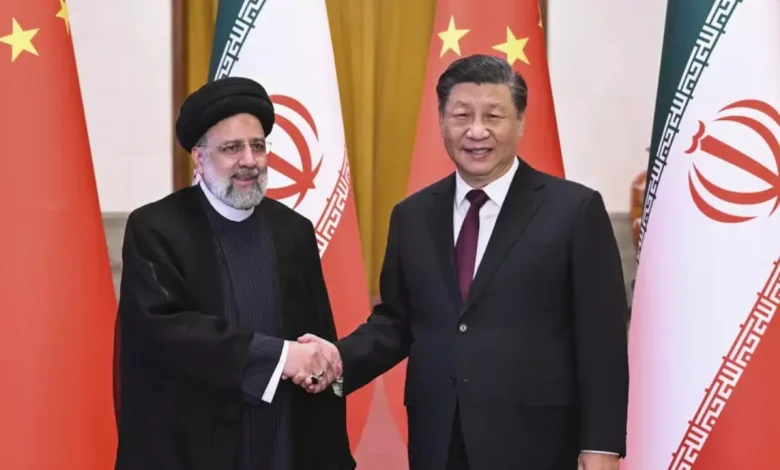
The Mechanics of the Agreement
The sheer magnitude of this diplomatic breakthrough cannot be overstated. For years, the global economy has been held hostage by the constant threat of blockades and military escalations in the Persian Gulf. By tying the free flow of energy resources to the cessation of arms proliferation, the administration has crafted a multidimensional pact that addresses both economic and security concerns simultaneously. You can read more about the initial framework in the detailed analysis of Donald Trump’s comprehensive deal regarding the Strait of Hormuz.
Halting the Weapons Pipeline to Tehran
Historically, Beijing has been a vital lifeline for Tehran’s military-industrial complex. Chinese exports have included everything from advanced drone telemetry and anti-ship missile components to sophisticated radar systems and cyber warfare technologies. By securing China’s commitment to sever this pipeline, the United States has dealt a crippling blow to Iran’s ability to project asymmetric military power across the Middle East. Without a steady influx of high-tech Chinese components, Iran’s localized defense manufacturing will inevitably face severe degradation. This strategic maneuver forces Tehran to dramatically reassess its regional posture, as the modernization of its armed forces is now effectively stalled by the very superpower it once considered its most reliable patron.
Securing Crucial Global Shipping Lanes
At the heart of this grand bargain is the unfettered access to the Strait of Hormuz. Approximately 20 percent of the world’s global oil consumption passes through this narrow maritime corridor daily. The economic security of nations spanning from Europe to East Asia is inextricably linked to the unhindered flow of vessels navigating these waters. Trump’s guarantee that the strait will remain open for China too, and the World directly addresses Beijing’s deepest vulnerability: its overwhelming reliance on Middle Eastern fossil fuels. For detailed coverage of this dependency, explore our report on China’s Middle East oil import collapse. By eliminating the risk of maritime blockades, the United States has effectively traded naval security guarantees for global disarmament goals.
A New Era for U.S.-China Diplomacy
The rhetoric surrounding the announcement suggests a radical thaw in relations between Washington and Beijing. Characterizing the current state of bilateral ties, Trump enthusiastically noted that both nations are now working together smartly and very well. This represents a stark departure from the aggressive trade wars and inflammatory rhetoric that previously defined the Sino-American dynamic.
The Anticipated Beijing Visit
Adding an extraordinary personal touch to the geopolitical narrative, Trump announced an impending state visit, famously claiming that President Xi Jinping will give him a big, fat, hug upon his arrival. While the phrasing is characteristically unorthodox, it underscores a highly personalized diplomatic strategy. This upcoming summit in a few weeks is anticipated to formalize the parameters of the maritime agreement and potentially pave the way for broader economic and security dialogues. The optics of such a meeting will send profound shockwaves through the international community, signaling a pragmatic realignment of the world’s two largest economies.
Diplomatic Gains Versus Military Might
Despite the celebratory tone of the diplomatic victory, the announcement was strategically coupled with a stark reminder of American military supremacy. Trump was quick to add that the U.S. remains far better than anyone else at fighting if needed. This carefully calibrated statement serves a dual purpose: it reassures domestic audiences and traditional allies that the administration is not negotiating from a position of weakness, and it serves as a latent warning to any rogue actors who might consider testing the new maritime paradigm. The underlying message is unambiguous: diplomacy is the preferred path, but overwhelming lethal force remains an ever-present contingency.
Impact on Global Energy Markets
The immediate aftermath of the announcement triggered a massive stabilization across global commodities markets. Risk premiums that had historically inflated crude prices due to Persian Gulf volatility began to evaporate almost instantaneously. Institutional investors and commodities traders are rapidly recalculating their long-term forecasts. For real-time updates and historical context on these shifts, the global energy markets tracking by Reuters offers invaluable insights into the ongoing adjustments. Furthermore, you can delve into the broader implications by reading our comprehensive Strait of Hormuz news and global shipping updates. Below is an analytical breakdown of the market and security landscape before and after the historic declaration.
| Metric / Geopolitical Factor | Pre-Deal Landscape | Post-Deal Projections |
|---|---|---|
| Global Oil Risk Premium | High volatility, estimated $5-$10 per barrel premium due to blockade threats. | Stabilized markets, near-elimination of regional conflict risk premiums. |
| Chinese Military Exports to Iran | Continuous covert and overt shipments of advanced drone and missile tech. | Comprehensive and immediate halt, heavily monitored by international intelligence. |
| Maritime Insurance Costs | Exorbitant premiums for commercial vessels transiting the Persian Gulf. | Significant rate reductions mirroring normalized global transit routes. |
| U.S. Naval Posture | High-alert defensive patrolling against asymmetric Iranian naval threats. | Shift towards cooperative maritime policing and strategic deterrence. |
Iran’s Position and Regional Fallout
For the government in Tehran, this agreement represents a catastrophic diplomatic and military isolation. By losing China as its primary weapons supplier and strategic counterweight against Western pressure, Iran finds its geopolitical leverage severely diminished. This development intimately ties into broader regional stabilization efforts, potentially reinforcing the durability of other recent peace initiatives, such as the Iran-Israel war ceasefire impact. Without the implicit backing of Beijing, Iranian hardliners will struggle to maintain their aggressive posturing in proxy conflicts across Lebanon, Yemen, and Syria. The sheer magnitude of this isolation forces Iran to either rapidly accelerate indigenous, yet technologically inferior, weapons development or reluctantly return to the negotiating table with the West on highly unfavorable terms.
The Future of Sino-American Relations
The long-term viability of this grand bargain will serve as the ultimate litmus test for the new era of Sino-American relations. By intertwining mutual economic dependencies—America’s desire for a stable global market and China’s desperate need for uninterrupted energy supplies—the two superpowers have created a framework of mutual deterrence that does not rely solely on military posturing. However, enforcement remains a complex challenge. Verification protocols ensuring that Chinese state-owned enterprises and rogue private entities definitively cease all dual-use technology transfers to Iran will require unprecedented intelligence sharing and transparency. To track how these overarching strategies continue to shape the globe, readers can follow our continuous coverage of Donald Trump news on geopolitical shifts and market impacts.
A Lasting Promise for Global Stability
Concluding his dramatic announcement, Trump made a definitive and sweeping guarantee regarding the historic volatility of the Persian Gulf: This situation will never happen again. If this profound diplomatic realignment holds, that bold assertion may indeed become historical fact. By successfully leveraging economic vulnerabilities to achieve critical non-proliferation and maritime security goals, the administration has fundamentally redrawn the map of global power dynamics. The world now watches with bated breath as the practical implementation of this agreement unfolds, waiting to see if the promised embrace in Beijing will truly usher in an unprecedented era of economic cooperation, secure global shipping lanes, and a permanently diminished threat of conflict in the Middle East. This singular deal has undoubtedly altered the trajectory of the twenty-first century.