Lebanon Deal-Breaker: Israel Torpedoes U.S.-Iran Peace Talks
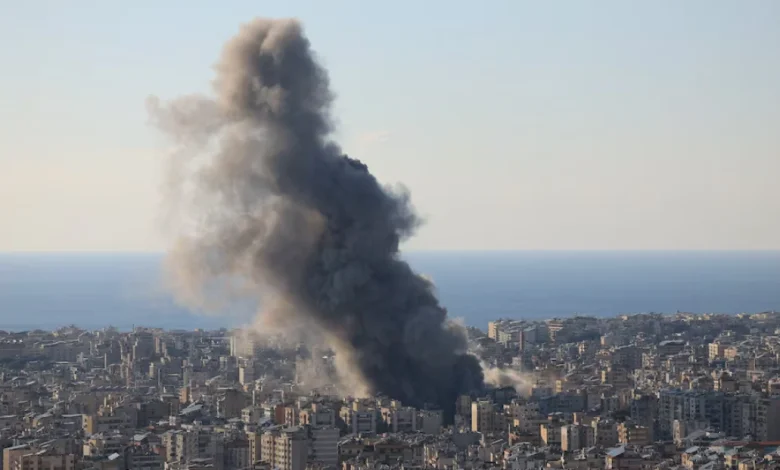
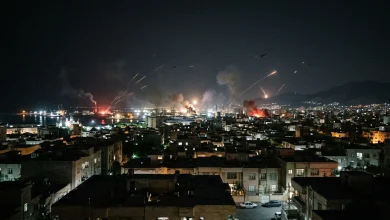
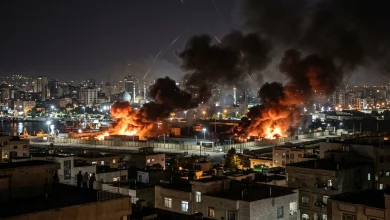
Lebanon was the deal-breaker nobody is talking about enough. While the international media intensely focuses on the nuclear issue and the escalating tensions surrounding the Strait of Hormuz, the reality of the stalled diplomatic efforts tells a vastly different story. According to highly placed sources deeply involved in the back-channel negotiations in Islamabad, a critical breakdown occurred over the sovereignty and airspace of this Mediterranean nation. The U.S. diplomatic corps presented a strategic offering: they promised to convince Israel to halt military strikes in Beirut as a preliminary gesture of goodwill. Following this initial halt, the pause in hostilities would “gradually expand” to encompass southern territories and eventually the rest of the country. However, the Iranian delegation fundamentally rejected this phased approach. They demanded an immediate, comprehensive, and full ceasefire across all sovereign territories of the nation. The mediators simply could not bridge that expansive gap.
The Hidden Deal-Breaker in Islamabad
During the pivotal sessions in Islamabad, negotiators were optimistic that a breakthrough could be achieved. The framework for addressing nuclear enrichment limits and ensuring maritime security had seen surprising progress. Yet, the entire diplomatic architecture crumbled when the geographic and tactical realities of the ongoing conflict were brought to the table. The failure to secure a mutual agreement highlights a systemic pattern playing out exactly as predicted throughout this prolonged war. The core issue remains that diplomatic promises made at the negotiation table lack the enforcement mechanisms required on the ground. For weeks, envoys debated the semantics of a “pause” versus a “ceasefire,” but the linguistic gymnastics could not mask the harsh reality: the military operations were continuing unabated. The inability to reconcile a phased de-escalation with a demand for an absolute cessation of hostilities ultimately proved fatal to the Islamabad dialogue.
How the Beirut Phased Pause Failed
The concept of a phased pause, starting strictly with Beirut, was designed by American strategists as a pragmatic stepping stone. The logic was rooted in demonstrating immediate relief for densely populated urban centers while allowing military commanders time to adjust operational parameters in the volatile southern border regions. Unfortunately, this staggered approach was perceived by the opposing side not as a genuine pursuit of peace, but as a tactical loophole. From the Iranian perspective, agreeing to a phased pause would effectively green-light continued Israeli military operations in the south under the guise of a delayed diplomatic rollout. The rejection was swift and absolute. This diplomatic miscalculation regarding the phased strategy underscores a profound misunderstanding of the baseline requirements for trust in modern geopolitical negotiations.
Analyzing the U.S. and Iranian Standoff
The standoff between the United States and Iran in these talks is a reflection of vastly different strategic imperatives. The United States is operating under immense pressure to balance its unwavering alliance with Israel while simultaneously attempting to prevent a catastrophic regional conflagration. By offering to gradually rein in the military strikes, the U.S. attempted to preserve its influence over its allied forces while tossing a diplomatic lifeline to the mediators. Conversely, Iran’s non-negotiable demand for an immediate, absolute ceasefire is rooted in its need to project strength and unyielding support for its regional allies. Accepting anything less than a total halt to the bombings would be viewed domestically and regionally as a capitulation. This ideological deadlock essentially paralyzed the dialogue, proving that incremental diplomacy is ineffective when existential regional security is at stake.
Israel’s Refusal to Halt Bombing
The most profound paradox of the Islamabad talks is that the nation ultimately responsible for their collapse wasn’t even sitting at the negotiation table. Israel’s steadfast refusal to prematurely stop its bombing campaigns has directly contributed to the disintegration of the U.S.-Iran peace initiative. Israeli defense officials maintain that their operational objectives in the northern arena remain unfulfilled, rendering any externally imposed ceasefire unacceptable. This unyielding stance torpedoed the negotiations from 3,000 miles away. By prioritizing immediate tactical military goals over broader diplomatic frameworks, the localized conflict has dictated the terms of international peace efforts. This dynamic reveals the complex shifting geopolitical landscape where proxy wars and allied military actions completely override superpower diplomacy.
The Geopolitical Impact of a Collapsed Negotiation
With the collapse of the Islamabad dialogue, the shockwaves are rippling across the Middle East and beyond. The immediate geopolitical impact is a severe escalation in regional anxiety. Neighboring countries, already burdened by the economic and humanitarian fallout of the prolonged conflict, are now bracing for the inevitable intensification of hostilities. The failure to secure even a localized pause in Beirut signals to the international community that diplomatic avenues have been exhausted for the foreseeable future. This breakdown also emboldens hardline factions across the region who have continuously argued that negotiation with Western powers is a futile endeavor. As diplomatic channels freeze, the reliance on military deterrence and asymmetric warfare will undoubtedly surge, leading to a much more volatile and unpredictable Middle East.
A Ticking Clock for the Region
The ceasefire clock keeps ticking relentlessly. Every single day that passes without a tangible diplomatic breakthrough is a day closer to the bombs resuming at maximum intensity. The psychological toll on the civilian populations caught in the crossfire is immeasurable. The anticipation of renewed, unrestrained conflict creates an atmosphere of pervasive dread. As the international community watches this ticking clock, the window for averting a full-scale, multi-front war is rapidly closing, leaving regional security apparatuses on the highest possible alert.
| Negotiation Element | U.S. / Israeli Proposed Framework | Iranian Non-Negotiable Demand |
|---|---|---|
| Geographic Scope | Beirut first, gradual expansion southward | Immediate, national ceasefire encompassing all regions |
| Timeline for Halt | Staggered phases tied to security benchmarks | Instantaneous enforcement upon treaty signing |
| Enforcement Mechanism | U.S. diplomatic pressure on allied military forces | Binding international guarantees with severe penalties |
| Underlying Strategy | De-escalation while preserving tactical advantages | Absolute cessation to claim diplomatic and strategic victory |
Implications for Global Energy Markets and Security
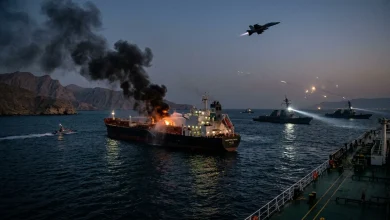
The breakdown in diplomacy extends far beyond the borders of the Levant; it strikes at the heart of global economic stability. Security in the Middle East is inextricably linked to global energy flows. When peace talks collapse, the perceived risk to critical maritime chokepoints skyrockets. For example, recent tensions have already severely impacted shipping routes, a scenario vividly illustrated when a Strait of Hormuz transit was delayed for over a month due to security fears. Furthermore, the persistent threat of regional war creates immense volatility in commodities. While global energy markets often react unpredictably to momentary lulls in fighting, the reality of a collapsed negotiation guarantees long-term instability. The failure to achieve a ceasefire means energy traders and international shipping conglomerates must permanently price in the risk of sudden, massive supply chain disruptions caused by military escalation.
Comparing the Diplomatic Demands
Looking closely at the failed proposals, the stark contrast in diplomatic demands reveals the core dysfunction of the negotiations. The American insistence on a staggered approach reflects a deeply entrenched belief in conditional diplomacy, where trust is built incrementally. However, in a region defined by decades of broken promises and sudden violence, the Iranian demand for an absolute, immediate halt reflects a fundamental lack of faith in those incremental steps. The diplomatic demands were not merely different in scope; they represented entirely different paradigms of conflict resolution, making the eventual collapse in Islamabad a tragic inevitability rather than a surprising accident.
The Broader Implications for Global Geopolitics
The failure of the U.S. to rein in its allies and secure a ceasefire has not gone unnoticed by global adversaries. Nations like Russia and China are closely monitoring this display of diplomatic impotence, utilizing the breakdown as evidence of a declining Western hegemony. As the U.S. struggles to manage its traditional sphere of influence, alternative power blocs are positioning themselves as more reliable arbiters of international security. The perception that American leadership is unable to enforce its own proposed peace frameworks pushes neutral nations to seek alliances elsewhere, accelerating a trend toward geopolitical isolation for Western powers. For an in-depth look at how these dynamics are tracked internationally, international security analysts continue to warn about the eroding architecture of traditional diplomacy.
The Future of U.S. Credibility in the Middle East
Perhaps the most devastating casualty of the failed Islamabad talks is the long-term credibility of the United States as an effective peace broker in the Middle East. Every day that Israel continues hitting targets while American diplomats plead for a pause, the narrative pushed by adversarial factions is validated. Iran and its allies can effortlessly point to the ongoing bombardment as irrefutable proof that American commitments mean absolutely nothing if they cannot dictate the actions of their primary regional ally. This erosion of credibility will make future negotiations exponentially more difficult, as all parties will demand increasingly stringent and immediate guarantees that the U.S. simply may not have the leverage to provide.
What Happens When the Ceasefire Clock Runs Out?
As the diplomatic dust settles from the failed Islamabad negotiations, the reality on the ground becomes grimly clear. The deal-breaker has triggered a dangerous cascade of consequences. With no phased pause in Beirut and no immediate ceasefire on the horizon, the opposing military forces are preparing for a protracted and intensified phase of combat. The collapse of these talks is a stark reminder that in the modern theater of war, distant geopolitical strategy cannot override immediate tactical operations. Until the international community can formulate a peace proposal that addresses the uncompromising realities on the ground, the cycle of violence will continue. The ceasefire clock has not merely paused; for all practical intents and purposes, it has completely run out, ushering in a dark new chapter for the entire region.