Iran talks collapse: US final and best offer ignored
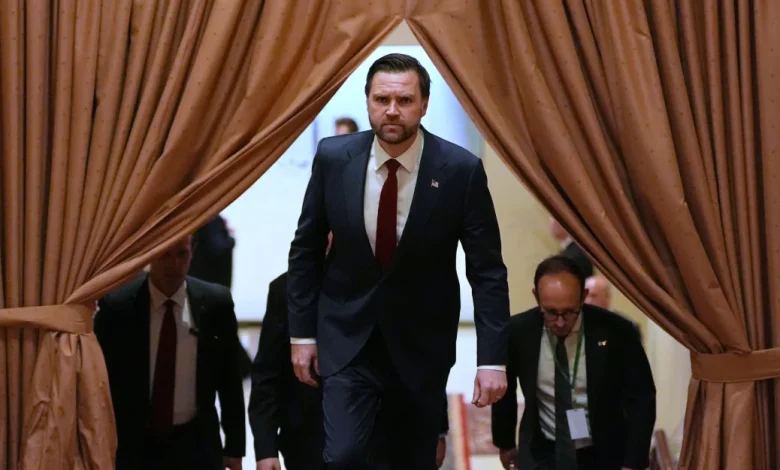
Iran talks have officially reached a devastating dead end, plunging the Middle East and the broader international community into a state of profound geopolitical uncertainty. The latest diplomatic breakdown in Islamabad has laid bare the deep, systemic fractures between Washington and Tehran, raising alarms that the current, fragile ceasefire is nothing more than a temporary pause before a catastrophic regional conflict. The diplomatic channels, once seen as the last remaining lifeline for a peaceful resolution, have been effectively severed. Tehran has made it unequivocally clear that there are absolutely no plans for another round of negotiations. The much-touted final and best offer presented by the United States sits completely unanswered on the diplomatic table, a stark testament to the total collapse of mutual trust and the escalating hostilities that define this modern cold war turned hot.
Introduction to the Diplomatic Impasse
The situation escalated dramatically when Iran’s Supreme National Security Council issued a definitive and chilling statement regarding the future of any diplomatic engagement. According to the council, no program has yet been announced for the time, place, or next round of negotiations. This is not merely a diplomatic stall tactic; it represents a fundamental rejection of the current negotiating framework. The explicit refusal to even schedule future discussions indicates a strategic pivot by Tehran, moving away from engagement and towards militant consolidation. The international community, which had pinned its hopes on the Islamabad summit, is now scrambling to understand the implications of this diplomatic vacuum. Without a scheduled meeting, the diplomatic momentum has evaporated, leaving military commanders and regional proxies to dictate the pace of events.
The Final and Best Offer Stands Unanswered
At the center of this collapse is the aggressive negotiating posture adopted by the United States delegation. JD Vance, carrying the full weight of the administration’s mandate, delivered an ultimatum framed as the final and best offer. For an in-depth look at the preparations and strict constraints placed on this delegation, one must examine the broader strategic context when JD Vance heads to Islamabad under strict presidential guidelines issued prior to the summit. The strategy was explicitly designed to force Tehran’s hand, presenting a comprehensive package that demanded immediate compliance on nuclear limitations and proxy demobilization without offering commensurate immediate sanctions relief. Tehran’s response was a deafening silence. By leaving the offer unanswered, Iranian leadership signaled that they view the proposal not as a starting point for negotiation, but as an unacceptable demand for capitulation. This silence is a calculated move, demonstrating that Iran is willing to risk military escalation rather than accept terms they deem humiliating and strategically disastrous.
Historical Precedents: The Shadow of Past US Attacks
To fully comprehend why Tehran has completely abandoned the diplomatic process, one must examine the recent, bloody history of these negotiations. The current Iranian posture is not born of mere stubbornness, but of a deeply ingrained survival instinct forged through repeated betrayals. The statement from the Iranian Foreign Ministry’s spokesman cuts directly to the core of why these talks collapsed: We have not forgotten and will not forget the bad faith and ill intentions of the United States. This is a direct reference to a pattern of American military actions that have actively sabotaged ongoing diplomatic efforts. The concept of negotiating in good faith requires a baseline level of physical security and mutual respect, both of which have been repeatedly shattered by US airstrikes.
June 2025 and February 2026: Diplomacy Disrupted by Bombs
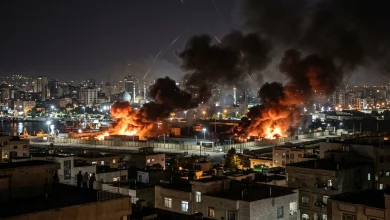
Tehran’s institutional memory is currently dominated by two glaring instances of what they perceive as absolute diplomatic treachery. In June 2025, during high-stakes nuclear talks designed to prevent a regional arms race, the United States launched a sudden and devastating attack against Iranian assets. The optics were catastrophic: diplomats sitting at the table while bombs rained down on their compatriots. This scenario repeated itself with grim predictability in February 2026, directly following intense discussions in Geneva. Two separate rounds of intense diplomacy ended not with treaties, but with bombs. When the Iranian delegation traveled to Islamabad, there was a cautious, perhaps naive, expectation that a third attempt at peace might unfold differently. It did not. The aggressive posture maintained by the US delegation proved that the underlying dynamics remained unchanged. The environment was simply not different enough to warrant Tehran’s continued participation in what they now view as a diplomatic trap designed to stall their military preparedness while exposing their assets to targeted strikes.
| Date | Event | Diplomatic Outcome | Military Action |
|---|---|---|---|
| June 2025 | Nuclear Talks | Disrupted, loss of trust | Surprise US airstrikes during negotiations |
| February 2026 | Geneva Discussions | Collapsed, delegations withdrawn | Renewed US bombing campaign |
| April 2026 | Islamabad Summit | Total impasse, “final offer” ignored | Tehran rejects future meetings |
| Future | Unscheduled | Diplomatic vacuum | High risk of widespread regional conflict |
Iran’s Supreme National Security Council Takes a Stand
The Supreme National Security Council (SNSC) of Iran serves as the highest strategic decision-making body in the country, superseding even the standard diplomatic apparatus. Their direct intervention in this matter underscores the severity of the crisis. By officially stating that there is no next round, the SNSC has effectively closed the door on mid-level diplomatic maneuvering. This decision reflects a consensus among Iran’s hardline military and political factions that continued engagement with Washington is not only futile but actively detrimental to national security. The SNSC’s calculation is clear: the United States utilizes negotiations as a tactical smokescreen to gather intelligence, map assets, and execute precision strikes. Therefore, the safest posture for Iran is a complete diplomatic blackout, forcing the international community to deal with the reality of an unconstrained and highly motivated regional power.
The Impact of Bad Faith and Ill Intentions
The phrase bad faith and ill intentions is not mere rhetoric; it is the foundational doctrine currently guiding Iranian foreign policy regarding the West. This perception has systematically dismantled the moderate factions within Tehran that previously advocated for dialogue. Every US demand for transparency or concession is now viewed through the lens of potential military exploitation. When JD Vance declared his offer as final and best, the Iranian establishment interpreted it as a preamble to war rather than a genuine attempt at conflict resolution. This deep-seated distrust means that any future diplomatic overture, no matter how well-intentioned or structured, will be met with extreme skepticism, requiring unprecedented guarantees that neither Washington nor its regional allies are currently willing or able to provide.
Key Unresolved Issues Threatening the Ceasefire
The current state of affairs is frequently described as a ceasefire, but this is a dangerous misnomer. A true ceasefire requires a robust diplomatic process to address the underlying causes of the conflict. Without this reinforcement, the cessation of hostilities is incredibly fragile. The core issues that ultimately broke the Islamabad talks are not receding; they are compounding and becoming vastly more complex and volatile with each passing day. These unresolved friction points represent multiple distinct triggers, any one of which could instantly reignite full-scale war.
The Strait of Hormuz and Nuclear Enrichment Dilemmas
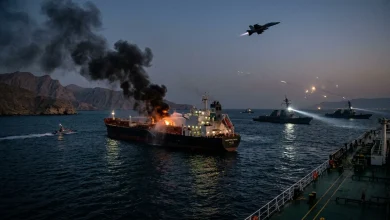
Foremost among these issues is the control and security of the Strait of Hormuz, the world’s most critical maritime chokepoint for global energy supplies. Iran has repeatedly leveraged its proximity to the strait as a strategic deterrent, threatening to disrupt global shipping if its economic sovereignty is compromised. Coupled with this is the rapidly accelerating pace of Iran’s nuclear enrichment program. Without a binding agreement, Tehran is systematically decreasing its breakout time, enriching uranium to near weapons-grade levels. This reality has terrified global markets. The interconnected nature of these threats is profound, and understanding the economic fallout is critical, as detailed when the financial crisis BOE warns U.S. Iran war threatens markets globally. A military strike aimed at neutralizing the nuclear facilities would almost certainly trigger a retaliatory closure of Hormuz, instantly plunging the world into an unprecedented energy crisis and economic depression.
Lebanon, Frozen Assets, and Reparations Demands
Beyond the nuclear and maritime domains, the talks collapsed under the weight of regional proxy alignments and massive financial disputes. The status of Lebanon remains a critical flashpoint. Iran views its support for Lebanese factions as a non-negotiable pillar of its forward defense strategy, actively resisting US demands to sever these ties. The volatility of this specific theater is further highlighted by the fact that Iran warns excluding Lebanon from ceasefire risks new war, demonstrating that any peace deal must encompass the entire region. Furthermore, Tehran’s insistence on the immediate release of billions of dollars in frozen assets, coupled with unprecedented demands for war reparations resulting from the June 2025 and February 2026 US bombing campaigns, created an insurmountable financial hurdle. Washington categorically refused to discuss reparations, viewing the military actions as legitimate defense operations. This absolute incompatibility on financial and proxy issues guaranteed the failure of the Islamabad summit.
Islamabad Summit Fallout: What Happens Next?
The failure in Islamabad has fundamentally altered the geopolitical dynamics of Central and South Asia. Regional powers are now rushing to secure their own borders and strategic interests in anticipation of a massive fallout. The diplomatic void left by the US-Iran collapse is creating opportunities for other global actors to step in and reshape the regional order. This shifting dynamic is heavily influenced by broader regional realignments, similar to the context in which the Afghanistan Pakistan deal China brokers agreement to end regional conflict, indicating that Beijing and other powers are increasingly attempting to assert stabilizing influence where Western diplomacy has violently failed. However, the deep-seated enmity between Washington and Tehran makes external mediation incredibly difficult, if not impossible, at this current juncture.
The Fragile Ceasefire and the Countdown to Conflict
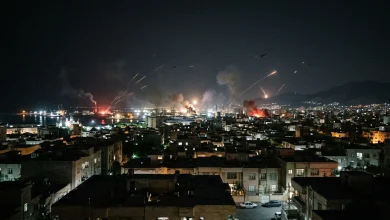
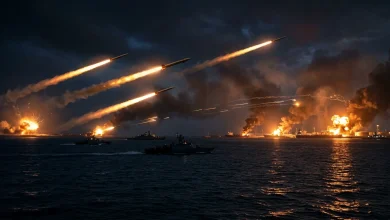
We have now entered the most dangerous window of this decades-long geopolitical standoff. A ceasefire with absolutely no diplomatic process behind it is not a pathway to peace; it is simply a countdown to the next eruption of violence. The lack of any scheduled meetings, the explicitly stated bad faith, the ignored final offer, and the escalating complexity of the core disputes all point to a singular, terrifying conclusion: the mechanisms for conflict resolution have broken down completely. As regional Middle East monitors continue to track military movements and rhetorical escalations, the international community must face the harsh reality that the time for dialogue has passed. Both sides are currently utilizing this pause not to negotiate, but to rearm, reposition, and prepare for the inevitable resumption of hostilities. The silence emanating from Tehran in response to JD Vance’s final offer is the loudest indicator yet that the next phase of this conflict will be decided not at the negotiating table, but on the battlefield.