Iran Strategy 2026: Why Tehran Wins the Strait of Hormuz Standoff
Introduction to the Geopolitical Standoff
Iran has deliberately signaled extreme patience following the sudden collapse of high-stakes diplomatic talks regarding the ongoing maritime crisis, projecting a clear message to Washington: we are not in a hurry, but you are. The recent failure to reach a comprehensive agreement has left global markets highly volatile, exposing the intricate layers of geopolitical strategy deployed by the government in Tehran. Following the breakdown of the negotiations, contradictory yet highly coordinated statements emerged from different factions within the Iranian government, perfectly illustrating a sophisticated dual-track strategy designed to maximize leverage over the United States and the broader international community. By maintaining strict control over a vital global shipping lane while simultaneously projecting an openness to further dialogue, the Iranian leadership has successfully stalled western momentum. This carefully orchestrated delay tactic not only enriches the nation’s treasury through inflated energy commodities but also severely complicates the domestic political landscape for the current U.S. administration as crucial midterm elections approach.
The Hardline Stance: No Retreat on the Strait of Hormuz
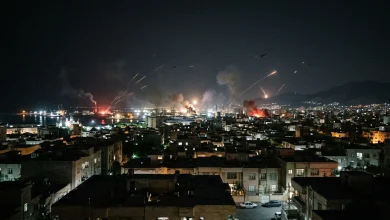
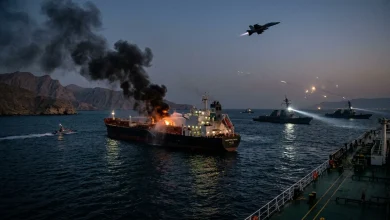
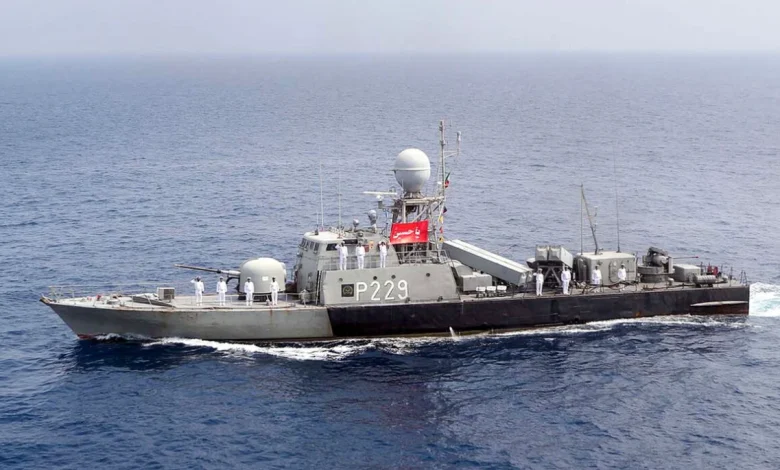
The immediate reaction from the security establishment was uncompromising and blunt. According to a report from Fars News citing an unnamed high-ranking official, the stance of the Islamic Revolutionary Guard Corps (IRGC) remains resolute: “Until the U.S. agrees to a reasonable deal, there will be no change in the situation of the Strait of Hormuz.” This declaration underscores the hardline faction’s belief that absolute control over one of the world’s most critical maritime chokepoints is their most potent weapon in the current standoff. The Strait of Hormuz, through which roughly a fifth of the world’s daily oil consumption passes, has become the ultimate bargaining chip. By maintaining a highly restrictive and intimidating naval presence, the security apparatus ensures that maritime shipping insurance premiums remain astronomically high, causing severe disruptions to global energy supply chains. This unyielding posture is intended to inflict maximum economic pain on western economies, forcing Washington into a corner where concessions appear to be the only viable mechanism for restoring global maritime stability. The strategy is clear: hold the global economy hostage until a profoundly favorable agreement is secured.
The Diplomatic Play: Measured Pragmatism in Tehran
In stark contrast to the aggressive posturing of the security establishment, the diplomatic wing offered a surprisingly measured and accommodating perspective. The Foreign Ministry spokesperson officially confirmed that despite the overall collapse of the latest session, the two sides had actually managed to agree on several preliminary points. The primary obstacle, inevitably, remained the immediate status of the Strait of Hormuz. In what is arguably the most pragmatic statement to emerge from Tehran since the escalation of hostilities, the spokesperson noted, “We should have never expected to reach a deal in one session. We will continue to work to bring the two views closer together.” This sophisticated diplomatic rhetoric serves a vital purpose. It prevents the complete alienation of European mediators and neutral observers by presenting Iran as a rational, patient actor genuinely interested in a negotiated settlement. By leaving the door to diplomacy slightly ajar, the Foreign Ministry provides the international community with a glimmer of hope, thereby preventing the formation of a unified, aggressive global coalition against Tehran. It is a masterful display of diplomatic stalling, designed to extend the timeline of negotiations indefinitely.
Dual Messaging Strategy Explained
That is two vastly different signals originating from the exact same government on the exact same day, creating a profound sense of strategic ambiguity. The security establishment unequivocally demands no movement on the Strait of Hormuz, maintaining maximum pressure. Conversely, the diplomatic establishment insists on keeping the channels of communication open, maintaining maximum engagement. This is not a sign of internal chaotic division; rather, it is a highly calculated “good cop, bad cop” routine executed on the grandest geopolitical stage. The hardliners provide the essential leverage by keeping the threat of escalation perpetually alive, ensuring that Washington feels the acute sting of the crisis. Meanwhile, the diplomats provide the necessary buffer, preventing the United States from walking away from the table entirely or resorting to catastrophic military interventions. This dual messaging forces the U.S. negotiating team into a constant state of reactive analysis, expending critical time and resources trying to decipher Iran’s true red lines while the clock continues to tick in Tehran’s favor. For a deeper understanding of the recent military maneuvers complementing this strategy, review the comprehensive US-Iran military and strategic updates.
The Economic Math: Oil Prices and Geopolitical Leverage
Iran can afford to wait; the fundamental economic math currently works heavily in their favor. With global oil prices comfortably sustaining levels above $100 per barrel due to the ongoing uncertainty, the Iranian government is generating substantial revenue despite various international sanctions. This influx of capital bolsters their domestic economy, dampens internal dissent, and provides the necessary financial resources to sustain their regional influence and military readiness. Every single day the Strait of Hormuz remains restricted, the artificial scarcity in the global energy market artificially inflates the value of the crude oil that Iran manages to export through alternative or illicit networks. Furthermore, maintaining control over the Strait generates unparalleled geopolitical leverage. It serves as a constant reminder to the world that Tehran possesses the capability to plunge the global economy into a deep recession at a moment’s notice. While Western nations struggle with the inflationary pressures of expensive energy, Iran leverages the situation to secure domestic stability, as evidenced by recent developments in their financial sector, including reports on domestic economic resilience in Iran.
Data Table: Global Oil Price Impact Analysis
The following table illustrates the projected economic and political consequences of various scenarios regarding the Strait of Hormuz standoff.
| Scenario | Diplomatic Posture | Projected Oil Price (per barrel) | US Political Consequence |
|---|---|---|---|
| Status Quo (Delayed Talks) | Stalling & Mixed Messaging | $105 – $115 | High Inflation, Midterm Vulnerability |
| Comprehensive Deal Reached | De-escalation & Open Strait | $75 – $85 | Market Relief, Political Victory |
| Full Military Blockade | Maximum Escalation | $150+ | Severe Global Recession, Emergency Measures |
| Partial Easing of Transit | Incremental Concessions | $90 – $100 | Moderate Inflation, Continued Uncertainty |
Washington Under Pressure: Trump’s Midterm Elections Conundrum
Time pressure works fundamentally against Washington, not Tehran. As the days turn into weeks, and the weeks threaten to turn into months, the domestic political ramifications in the United States become increasingly severe. Every day the Strait of Hormuz stays restricted, American consumers pay significantly more at the pump. This visible, daily reminder of geopolitical instability translates directly into domestic economic anxiety, driving up inflation across the board. For the Trump administration, the timing could not possibly be worse. As the crucial 2026 midterm elections rapidly approach, the incumbent party’s political math becomes exponentially more difficult with each passing increment at the gas station. Historically, high energy prices are one of the most reliable predictors of electoral defeat for the party in power. The administration desperately needs a foreign policy victory and a return to cheap energy to secure their legislative majorities. Iran is acutely aware of this electoral timeline. They understand that as November draws nearer, Washington’s desperation for a resolution will inevitably increase, potentially leading to significant concessions. To explore how these dynamics are affecting the administration’s broader strategies, read more about Donald Trump’s geopolitical and market challenges.
Vance’s Final and Best Offer: A Strategic Miscalculation?
In an attempt to force a resolution, Vice President Vance has controversially placed what the administration terms a “final and best offer” on the negotiating table. This dramatic diplomatic maneuver was intended to call Tehran’s bluff, presenting them with a stark choice between immediate economic relief or crippling, unified international retaliation. However, this ultimatum appears to have fundamentally misread the strategic patience embedded within the Iranian leadership. Iran is conspicuously not rejecting the offer outright; doing so would provide Washington with the necessary pretext to escalate sanctions or military pressure. Instead, they are simply letting the proposal sit there, languishing in diplomatic purgatory. By neither accepting nor rejecting the “final” offer, Tehran completely neutralizes the ultimatum’s power. They subject the offer to endless internal reviews, parliamentary debates, and requests for minor clarifications, effectively dragging the process out indefinitely. This strategy reveals the inherent weakness in delivering ultimatums to an adversary that feels no internal urgency to comply.
Why Time Inherently Favors Tehran in 2026
The ultimate realization of the 2026 standoff is that Iran is simply letting the clock do all the heavy lifting. While the United States must contend with an impatient electorate, fluctuating stock markets, and a rigid electoral calendar, the political structure in Tehran is specifically designed to absorb long-term external pressure. The Iranian leadership measures success not in quick electoral cycles, but in generational strategic positioning. By stalling the negotiations, they continue to reap the financial rewards of an artificially inflated oil market. They simultaneously expose the limitations of American power projection in the Middle East, demonstrating to regional allies and adversaries alike that Washington cannot unilaterally dictate terms in the Persian Gulf. Even if the broader market experiences temporary shifts, the underlying reality remains unchanged, as detailed in recent analyses explaining why oil prices fluctuating do not immediately translate to relief for Western consumers. The longer the standoff persists, the more normalized the restricted access to the Strait of Hormuz becomes, establishing a dangerous new status quo where Iranian leverage is permanently codified into the mechanics of global trade.
Conclusion: The Road Ahead for U.S.-Iran Relations
The collapse of the latest round of talks is not an end, but merely a new phase in a protracted war of attrition. Iran’s message is loud and undeniably clear: the burden of urgency lies entirely on Washington. Until the U.S. administration is willing to offer a deal that fully aligns with Tehran’s strategic objectives, the Strait of Hormuz will remain a heavily contested choke point, and global oil prices will continue to inflict political damage on American leaders. The dual messaging from the IRGC and the Foreign Ministry will persist, keeping the West perpetually off-balance. As the 2026 midterm elections loom large over the White House, the Trump administration faces an agonizing choice: capitulate to Iranian demands to save their domestic political fortunes, or maintain a hard line and risk severe electoral punishment at the hands of frustrated consumers. Ultimately, in this high-stakes game of geopolitical chicken, the side with the ability to wait out the other almost always emerges victorious, and right now, Tehran holds all the time in the world.