JD Vance Heads to Islamabad: Strict Presidential Guidelines Issued
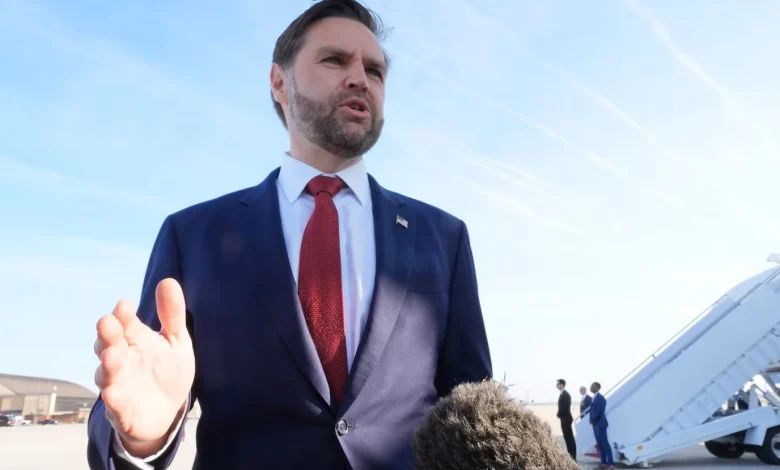
Understanding the Stance: Why Islamabad?
The strategic importance of this diplomatic mission cannot be overstated. For decades, Islamabad has served as a critical linchpin in South Asian security, acting as an intermediary, an ally, and occasionally, a frustrating partner to Western interests. The decision to send a high-level delegation in 2026 reflects an urgent need to recalibrate this dynamic. With global power structures undergoing rapid realignments, the United States recognizes that maintaining a stable, accountable relationship with Pakistan is essential for broader hemispheric security. The blunt rhetoric used prior to departure is not accidental; it is a calculated measure designed to establish dominance and clarify expectations before the delegation even touches down on foreign soil.
The Geopolitical Landscape of South Asia in 2026
South Asia remains one of the most volatile and strategically vital regions on the globe. The current geopolitical landscape is defined by competing hegemonies, shifting alliances, and economic vulnerabilities. Pakistan finds itself at the epicenter of these competing forces, balancing its longstanding historical ties with the United States against its deeply entrenched economic partnerships with Eastern powers. The US delegation arrives fully aware of these multi-vector pressures. Their objective is to ensure that American interests are not sidelined or leveraged against other regional powers. Analyzing the shifts from previous administrations reveals a fundamental change in how Washington approaches leverage, moving away from unconditional support toward strict, metric-based accountability.
The President’s “Clear Guidelines” Explained
The invocation of “pretty clear guidelines” from the President underscores the tightly controlled nature of this mission. In previous eras, diplomats were often afforded wide latitude to negotiate terms, make concessions, and draft memorandums of understanding organically. This approach has been entirely scrapped. The current guidelines dictate a rigid framework where concessions are reciprocal, verifiable, and immediate. The negotiating team operates under a mandate that prioritizes national interest without the traditional diplomatic softening. This means that issues ranging from military aid to trade tariffs are bound by specific, non-negotiable parameters dictated directly by the Oval Office.
Economic Leverage and Trade Dynamics
One of the most potent tools at the delegation’s disposal is economic leverage. Pakistan’s economy has faced severe headwinds, making international financial support and bilateral trade agreements critical to its domestic stability. The “clear guidelines” undoubtedly encompass strict economic stipulations. The United States is poised to demand comprehensive structural reforms and enhanced transparency in exchange for continued economic cooperation or backing in international financial forums. The delegation is expected to use trade imbalances and tariff threats as a mechanism to enforce compliance, ensuring that economic bailouts are fundamentally tied to favorable geopolitical posturing.
Security Cooperation and Anti-Terrorism
Security cooperation remains a cornerstone of the bilateral agenda. However, the expectations have evolved. The United States is demanding actionable, verifiable intelligence sharing and a hardline stance against regional militant factions. The integration of military technology advancements has drastically altered surveillance and security operations along the contested borders, meaning that the US has unprecedented capability to independently verify claims made by local authorities. The negotiating team will not accept vague assurances; they are mandated to secure concrete commitments regarding counter-terrorism operations, emphasizing that the era of double-dealing is definitively over.
Negotiating Tactics: “If They Try to Play Us”
The phrase “If they’re going to try to play us” refers directly to the historical perception that local authorities have successfully managed dual narratives—appeasing Western allies while simultaneously harboring factions contrary to US interests. By calling out this tactic publicly, the delegation is signaling a zero-tolerance policy for diplomatic obfuscation. The negotiating team is described as “not that receptive,” meaning that standard stalling tactics, endless committee reviews, and appeals to historical grievances will be dismissed outright. This hard-nosed approach forces the opposing side to present immediate, actionable offers rather than engaging in prolonged diplomatic theater.
Historical Precedents of Diplomatic Friction
To fully grasp the weight of this warning, one must look at the historical precedents of diplomatic friction between the two nations. Over the past two decades, billions of dollars in military and humanitarian aid have flowed into the region, often with mixed results regarding overarching strategic objectives. The frustration stemming from these historical engagements has culminated in the current, highly skeptical posture. Past negotiators often returned with promises that failed to materialize into policy. The 2026 delegation is structured specifically to avoid the pitfalls of their predecessors, armed with exhaustive historical data that highlights every instance of diplomatic shortfall.
Data Analysis: US-Pakistan Diplomatic Encounters
The evolution of this diplomatic relationship can be tracked through distinct phases of engagement and strategy. The following table illustrates how the diplomatic posture has shifted over the decades, leading directly to the current strict guidelines.
| Decade | U.S. Diplomatic Strategy | Key Focus Areas | Pakistan’s Response Posture |
|---|---|---|---|
| 2000s | Transactional Ally | Counter-terrorism, Border Security | Highly Accommodating |
| 2010s | Conditional Engagement | Drone Strikes, Aid Restrictions | Frictional yet Cooperative |
| 2020s | Strategic Distance | Geopolitical Realignment, China Counterbalance | Hedging Alliances |
| 2026 (Current) | Strict Accountability | Economic Reform, Verifiable Security Demands | Under Heavy Negotiation |
Regional Ramifications of a Hardline Approach
A strictly transactional and unyielding US posture in Islamabad sends shockwaves throughout the broader region. Neighboring countries, both allies and adversaries, are closely monitoring the tone and outcome of these negotiations. A successful enforcement of the President’s “clear guidelines” will signal to other nations that the United States has successfully revitalized its diplomatic enforcement mechanisms. Conversely, any perceived softening by the US delegation could embolden regional actors to test American resolve. Understanding the broader regional energy volatility is critical when navigating Islamabad’s strategic geographic position, as the stability of this region directly impacts global markets.
Impact on Bordering Nations and Energy Sectors
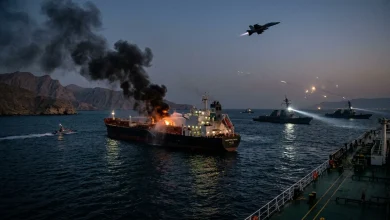
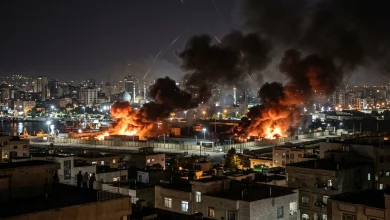
The reverberations of these talks extend far beyond the capital. Bordering nations are highly sensitive to shifts in the US-Pakistan dynamic. Any changes in security funding, military posture, or intelligence sharing can alter the regional balance of power overnight. Instances of escalatory military signaling in the broader Middle East deeply impact South Asian security protocols, making it imperative that the US secures a stable, compliant partner in the region. Furthermore, the energy sector, reliant on secure transit routes, views the outcome of these talks as a bellwether for regional economic stability over the next decade.
The Delegation: Who is Accompanying Vance?
The composition of the negotiating team provides significant insight into the administration’s priorities. This is not a delegation composed primarily of traditional diplomats and cultural attachés. Instead, it is a formidable assembly of policy enforcers, economic analysts, intelligence directors, and defense strategists. By stacking the team with pragmatic hardliners, the administration is reinforcing the warning that they are “not that receptive” to anything less than concrete agreements. According to insights from the U.S. Department of State, modern high-stakes delegations are increasingly cross-disciplinary, ensuring that all facets of a bilateral relationship are scrutinized simultaneously.
Key Figures in the 2026 Islamabad Talks
While specific names remain tightly guarded under operational security protocols, the roles represented are telling. The presence of senior treasury officials indicates that financial auditing and IMF compliance are on the table. Senior defense intelligence personnel suggest that classified briefings regarding militant activities and border security will form a core component of the discussions. Trade representatives are also present, ready to weaponize market access to extract concessions. This multidisciplinary approach ensures that if the host nation attempts to stall on security issues, the delegation can immediately apply pressure on economic or trade fronts, creating an inescapable web of leverage.
Conclusion: What Defines Success for this Mission?
Success for this highly publicized mission is not defined by the signing of a ceremonial declaration or a joint press conference filled with diplomatic platitudes. Success is defined by the strict adherence to the “clear guidelines” set forth by the President. It requires verifiable, measurable commitments from Islamabad that align completely with US strategic interests. The blunt departure warning served its purpose: it stripped away the facade of traditional diplomacy and set a foundation of absolute realism. Over the coming days, the world will watch to see if this aggressive strategy yields the tangible results the administration demands, or if the deep-seated complexities of South Asian geopolitics prove resistant to even the most forceful negotiating tactics. What remains undeniable is that the era of diplomatic ambiguity has been decisively replaced by an era of strict, unyielding accountability.