Ebola Outbreak Claims Lives of Red Cross Volunteers in Uganda
Introduction
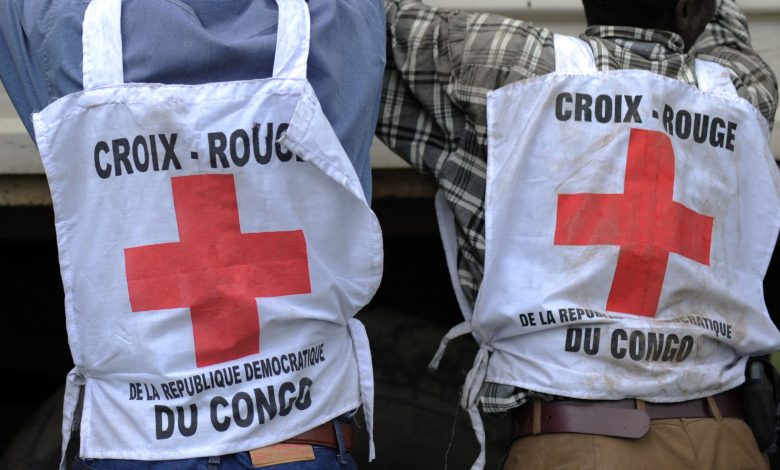
The recent announcement by the International Federation of Red Cross and Red Crescent Societies (IFRC) regarding the loss of three dedicated volunteers to an early, unrecognized Ebola Virus Disease (EVD) outbreak in Uganda has cast a spotlight on the critical challenges faced during the initial stages of epidemic response. The volunteers, Alikana Udumusi Augustin, Sezabo Katanabo, and Ajiko Chandiru Viviane, were among the first known victims of an outbreak that, at the time of their intervention, remained unidentified and largely unknown to the community. This tragic event underscores the vital role of frontline health workers and the significant risks they often face, particularly when dealing with emerging infectious diseases. The IFRC’s statement highlights not only the bravery and commitment of these individuals but also the urgent need for improved early detection and response mechanisms to protect healthcare workers and the communities they serve.
The Tragic Loss of Volunteers
The details surrounding the deaths of Alikana Udumusi Augustin, Sezabo Katanabo, and Ajiko Chandiru Viviane paint a grim picture of the dangers inherent in responding to an outbreak before its nature and scope are fully understood. Ajiko Chandiru Viviane passed away on May 5, followed by Sezabo Katanabo on May 15, and Alikana Udumusi Augustin on May 16. These dates mark a period of intense struggle and uncertainty as the volunteers likely worked tirelessly to assist those affected, unaware of the deadly threat they were facing. Their dedication to helping others, even in the absence of complete information, exemplifies the selflessness that defines humanitarian work. However, their sacrifice also serves as a stark reminder of the importance of equipping frontline workers with the knowledge, resources, and protective measures necessary to safeguard their own health and well-being. The lack of awareness within the community and the absence of a formal outbreak identification meant that these volunteers were operating without the critical support and precautions that would typically be in place during an Ebola outbreak. This situation highlights the need for robust surveillance systems and rapid response teams capable of identifying and addressing potential health crises before they escalate.
Understanding Ebola Virus Disease (EVD)
Ebola Virus Disease (EVD), commonly known as Ebola, is a severe and often fatal illness affecting humans and other primates. The virus is transmitted to people from wild animals and spreads in the human population through direct contact with the blood, secretions, organs, or other bodily fluids of infected individuals, as well as through contact with surfaces and materials contaminated with these fluids. Symptoms of Ebola can appear anywhere from 2 to 21 days after infection and often begin with a sudden onset of fever, fatigue, muscle pain, headache, and sore throat. As the disease progresses, individuals may experience vomiting, diarrhea, rash, impaired kidney and liver function, and both internal and external bleeding. The case fatality rate of Ebola is high, often hovering around 50%, but it can vary significantly depending on the specific strain of the virus, the quality of medical care available, and the overall health of the affected population. Effective control of Ebola outbreaks relies on a combination of strategies, including early detection and isolation of cases, contact tracing, safe burial practices, community engagement, and vaccination (when available). The 2014-2016 West Africa Ebola outbreak, the largest in history, highlighted the devastating impact of the disease and the critical importance of a coordinated global response. Since then, significant efforts have been made to strengthen surveillance systems, improve diagnostic capabilities, and develop new treatments and vaccines to better prepare for and respond to future outbreaks.
Early Stages of the Outbreak
The early stages of an Ebola outbreak are often the most challenging to manage due to limited information, diagnostic delays, and the potential for rapid spread within the community. In the initial phase, symptoms may be nonspecific, making it difficult to distinguish Ebola from other common illnesses such as malaria or typhoid fever. This lack of early recognition can lead to delays in diagnosis and isolation, allowing the virus to spread unchecked. Furthermore, in many affected regions, healthcare systems are often under-resourced and lack the capacity to effectively detect and respond to emerging health threats. This can be compounded by a lack of awareness among the general population about the signs and symptoms of Ebola, as well as misconceptions and fears that can hinder efforts to implement control measures. Contact tracing, a critical component of outbreak response, involves identifying and monitoring individuals who may have come into contact with infected persons. This process can be particularly challenging in settings with high population density, limited infrastructure, and mobile populations. Additionally, cultural practices and traditional beliefs can sometimes interfere with efforts to implement safe burial practices and other infection control measures. Overcoming these challenges requires a multi-faceted approach that includes strengthening surveillance systems, improving diagnostic capabilities, training healthcare workers, raising community awareness, and building trust between health authorities and the affected population. Only through a coordinated and collaborative effort can the spread of Ebola be effectively contained in the early stages of an outbreak.
The International Federation of Red Cross and Red Crescent Societies (IFRC) Statement
The statement released by the International Federation of Red Cross and Red Crescent Societies (IFRC) provides crucial context to the tragic events surrounding the loss of the three volunteers. By acknowledging that the community was unaware of the Ebola Virus Disease outbreak at the time of the intervention, the IFRC underscores the extraordinary circumstances under which these individuals were operating. This admission highlights the fact that the volunteers were essentially on the front lines of an emerging health crisis without the benefit of established protocols and resources typically associated with Ebola response efforts. The IFRC’s statement not only honors the memory of Alikana Udumusi Augustin, Sezabo Katanabo, and Ajiko Chandiru Viviane but also serves as a call to action for improved preparedness and response mechanisms. It emphasizes the need for greater investment in surveillance systems, diagnostic capabilities, and training programs for healthcare workers and community volunteers. Furthermore, the IFRC’s statement underscores the importance of community engagement and awareness campaigns to ensure that populations are informed about the risks of Ebola and the measures they can take to protect themselves and their families. By sharing this information, the IFRC hopes to prevent similar tragedies from occurring in the future and to promote a more proactive and coordinated approach to managing emerging health threats. The statement also serves as a reminder of the critical role that humanitarian organizations play in responding to crises around the world and the sacrifices that their volunteers often make in the service of others.
Challenges in Early Detection and Response
Early detection and response to Ebola outbreaks are fraught with numerous challenges, particularly in resource-limited settings. One of the primary obstacles is the lack of robust surveillance systems capable of identifying and tracking potential cases in a timely manner. Many affected regions lack the infrastructure and trained personnel needed to effectively monitor disease trends and detect unusual clusters of illness. Diagnostic delays also pose a significant challenge, as rapid and accurate testing is essential for confirming cases and initiating appropriate control measures. However, diagnostic laboratories may be scarce or lack the necessary equipment and reagents to perform Ebola testing. Even when diagnostic capabilities are available, logistical challenges such as transportation delays and sample handling issues can further impede the process. Another key challenge is the need for effective coordination and communication among various stakeholders, including health authorities, international organizations, and community leaders. A lack of clear lines of authority and communication can lead to confusion and delays in implementing control measures. Community resistance and mistrust can also hinder response efforts, particularly if there is a lack of understanding about the disease and how it spreads. Overcoming these challenges requires a concerted effort to strengthen health systems, improve diagnostic capabilities, train healthcare workers, promote community engagement, and foster collaboration among all stakeholders. Additionally, investment in research and development is needed to develop new diagnostic tools, treatments, and vaccines that can be deployed rapidly and effectively during outbreaks. Addressing these challenges is essential for improving the early detection and response to Ebola outbreaks and preventing future tragedies.
Impact on Community and Healthcare Systems
Ebola outbreaks have a devastating impact on both the affected communities and the already strained healthcare systems in these regions. The disease not only causes significant morbidity and mortality but also disrupts social and economic activities, leading to widespread fear and panic. Communities affected by Ebola often experience stigma and discrimination, as individuals and families associated with the disease may be ostracized and isolated. This can further exacerbate the suffering and undermine efforts to control the outbreak. The healthcare systems in affected regions are often overwhelmed by the surge in cases, leading to shortages of beds, staff, and essential supplies. Healthcare workers are at particularly high risk of infection, and their illness or death can further deplete the already limited resources. The diversion of resources to Ebola response efforts can also disrupt other essential health services, such as maternal and child health care, leading to increased morbidity and mortality from other preventable diseases. Furthermore, Ebola outbreaks can have long-term consequences on the social and economic development of affected regions, as they can disrupt education, agriculture, and trade. Rebuilding trust and restoring essential services after an outbreak requires a sustained effort and investment in strengthening health systems, promoting community resilience, and addressing the underlying social and economic factors that contribute to vulnerability. It’s essential to learn from past experiences and apply those lessons to strengthen global health security. Consider the potential impact of events like a fireworks plant explosion on already fragile healthcare infrastructure. Similar unexpected disasters can severely hamper response efforts. Also, implementing measures to combat global health information gaps is vital in effective outbreak management.
Global Response to Ebola Outbreaks
The global response to Ebola outbreaks typically involves a coordinated effort by international organizations, governments, non-governmental organizations, and research institutions. The World Health Organization (WHO) plays a central role in coordinating the international response, providing technical guidance, and mobilizing resources. Other key players include the United Nations, the World Bank, the United States Centers for Disease Control and Prevention (CDC), and various humanitarian organizations such as Médecins Sans Frontières (Doctors Without Borders) and the Red Cross. The global response typically involves a range of activities, including deploying emergency response teams, providing financial and logistical support, strengthening surveillance systems, improving diagnostic capabilities, training healthcare workers, promoting community engagement, and conducting research to develop new treatments and vaccines. During the 2014-2016 West Africa Ebola outbreak, the international community faced significant challenges in mounting an effective response, including delays in deploying resources, lack of coordination, and community resistance. However, the outbreak also led to significant improvements in global preparedness and response capabilities, including the development of new diagnostic tools, treatments, and vaccines. The global response to future Ebola outbreaks will likely involve a more proactive and coordinated approach, with a greater emphasis on early detection, rapid response, and community engagement. Additionally, there will be a continued focus on strengthening health systems and building resilience in affected regions to prevent future outbreaks. The Americans believe U.S. is winning war with Iran but global collaboration is crucial for health crises, not military conflicts.
Lessons Learned from Past Outbreaks
Past Ebola outbreaks have provided valuable lessons that can inform future preparedness and response efforts. One of the key lessons is the importance of early detection and rapid response. Delays in identifying and isolating cases can allow the virus to spread unchecked, leading to a larger and more difficult-to-control outbreak. Another important lesson is the need for strong surveillance systems to monitor disease trends and detect unusual clusters of illness. Surveillance systems should be integrated with laboratory diagnostic capabilities and linked to rapid response teams that can be deployed quickly to investigate and contain potential outbreaks. Community engagement is also essential for successful outbreak control. Communities need to be informed about the risks of Ebola and the measures they can take to protect themselves and their families. Trust between health authorities and the community is crucial for implementing control measures and addressing rumors and misinformation. Additionally, healthcare workers need to be adequately trained and equipped to safely care for Ebola patients. This includes providing them with personal protective equipment (PPE) and training them on infection control procedures. Finally, international collaboration is essential for mounting an effective response to Ebola outbreaks. This includes sharing information, providing financial and logistical support, and deploying emergency response teams. By learning from past experiences and applying these lessons, the global community can be better prepared to prevent and respond to future Ebola outbreaks.
Preventative Measures and Future Preparedness
Preventative measures are crucial in minimizing the risk of Ebola outbreaks and enhancing future preparedness. These measures encompass a range of strategies aimed at reducing the likelihood of transmission and improving response capabilities. Strengthening surveillance systems is paramount, involving the establishment of robust monitoring networks to detect potential cases early. Rapid diagnostic testing capabilities should be readily available, enabling prompt confirmation of Ebola cases and initiation of appropriate control measures. Training healthcare workers in infection prevention and control practices is essential, ensuring they have the knowledge and skills to safely manage Ebola patients. Promoting community awareness through education campaigns can empower individuals to take preventive actions and seek timely medical care. Ensuring access to safe water, sanitation, and hygiene facilities can further reduce the risk of transmission. Developing and stockpiling vaccines and treatments can provide additional protection during outbreaks. Strengthening healthcare infrastructure in vulnerable regions is crucial for improving overall preparedness. International collaboration and coordination are essential for sharing information, resources, and expertise. Investing in research and development can lead to new tools and strategies for preventing and controlling Ebola. By implementing these preventive measures and prioritizing future preparedness, the global community can significantly reduce the threat of Ebola outbreaks and protect vulnerable populations. Consider the role of environmental factors; for example, the caribou conservation in Alaska shows how ecological changes can impact disease vectors and transmission dynamics. Being proactive and well-prepared is vital to safeguard public health and prevent widespread outbreaks.
The Role of Community Engagement
Community engagement is a cornerstone of effective Ebola outbreak response. It involves actively involving local communities in all aspects of the response, from planning and implementation to monitoring and evaluation. Community engagement can help to build trust, address rumors and misinformation, and promote the adoption of safe behaviors. Key strategies for community engagement include working with local leaders and traditional healers, conducting community meetings and focus groups, using culturally appropriate communication channels, and training community health workers to serve as trusted sources of information. Community engagement should be tailored to the specific needs and context of each community, taking into account cultural beliefs, social norms, and local languages. It should also be participatory, empowering communities to make decisions about their own health and well-being. By actively engaging communities in the response, health authorities can improve the effectiveness of control measures, reduce resistance, and build long-term resilience. Community engagement can also help to address the underlying social and economic factors that contribute to vulnerability to Ebola, such as poverty, lack of access to education, and gender inequality. Ultimately, community engagement is essential for creating a sustainable and equitable response to Ebola outbreaks. The effectiveness of community engagement is amplified when considering the importance of ethical practices, similar to navigating ethical dilemmas in events like the Shaknovsky manslaughter trial, underscoring the necessity of transparency and cultural sensitivity in healthcare interventions.
Current Ebola Situation and Updates
Staying informed about the current Ebola situation is crucial for understanding the ongoing risks and response efforts. As of May 2026, it is essential to consult the latest reports from reputable sources such as the World Health Organization (WHO) and the Centers for Disease Control and Prevention (CDC) for up-to-date information on active outbreaks, affected regions, and control measures in place. These organizations provide regular updates on the number of cases, deaths, and geographical spread of the virus, as well as detailed guidance on prevention and treatment. Monitoring news outlets and scientific publications can also provide valuable insights into the evolving situation, including research findings, vaccine developments, and treatment strategies. It is important to be aware of any travel advisories or restrictions that may be in place for affected regions, as well as guidelines for healthcare workers and individuals who may be at risk of exposure. By staying informed and following the recommendations of health authorities, individuals and communities can take appropriate measures to protect themselves and contribute to the global effort to control Ebola outbreaks. Consider also the global perspective. Recent events, like President Lai Ching-Te’s visit to Eswatini, highlight the importance of international cooperation and support in addressing global health crises. Also, North Korea enhances border artillery, global collaboration ensures effective monitoring and response to potential health crises.
Conclusion
The tragic loss of Alikana Udumusi Augustin, Sezabo Katanabo, and Ajiko Chandiru Viviane underscores the critical importance of early detection, preparedness, and community engagement in responding to Ebola outbreaks. Their sacrifice highlights the risks faced by frontline health workers and the need to equip them with the knowledge, resources, and protective measures necessary to safeguard their own health and well-being. By learning from past experiences and applying these lessons, the global community can be better prepared to prevent and respond to future outbreaks, protecting vulnerable populations and building resilient health systems. The IFRC’s statement serves as a call to action for improved preparedness and response mechanisms, emphasizing the need for greater investment in surveillance systems, diagnostic capabilities, and training programs. Community engagement and awareness campaigns are also essential to ensure that populations are informed about the risks of Ebola and the measures they can take to protect themselves and their families. Only through a coordinated and collaborative effort can the spread of Ebola be effectively contained, and future tragedies prevented. The ongoing efforts to develop new diagnostic tools, treatments, and vaccines offer hope for improved outcomes in future outbreaks. As we move forward, it is essential to prioritize preventative measures, strengthen health systems, and foster collaboration among all stakeholders to ensure a more effective and equitable response to Ebola and other emerging health threats.
| Aspect | Description | Importance |
|---|---|---|
| Early Detection | Identifying cases promptly | Crucial for preventing spread |
| Rapid Response | Swift deployment of resources | Minimizes impact of outbreak |
| Community Engagement | Involving local communities | Builds trust and promotes cooperation |
| Healthcare Worker Training | Providing adequate training | Ensures safe and effective care |
| Global Collaboration | International cooperation | Facilitates resource sharing |