China Fireworks Plant Explosion: Changsha Blast Devastates Huasheng Facility in Liuyang
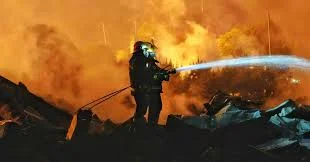
China Fireworks Plant Explosion has sent shockwaves through the Changsha-administered city of Liuyang in Hunan province, a region renowned globally as a powerhouse of fireworks manufacturing. The devastating incident occurred on Monday afternoon at a facility operated by the Huasheng Fireworks Manufacturing and Display Co., leaving a trail of destruction and raising grave concerns about industrial safety in the nation. As search and rescue operations largely conclude, authorities are now grappling with the arduous task of verifying casualties and identifying victims amidst the rubble and lingering environmental hazards.
Catastrophic Blast at Huasheng Fireworks in Changsha
The blast, described by Xinhua, China’s official news agency, as a significant industrial accident, originated at the Huasheng Fireworks Manufacturing and Display Co. plant in Liuyang. This county-level city, nestled within the broader Changsha administrative region, holds a near-mythical status in the global fireworks industry, accounting for a substantial portion of the world’s pyrotechnic production. The sheer force of the explosion ripped through the facility, transforming a bustling manufacturing hub into a scene of chaotic devastation. Early reports from state media, including China Daily, confirmed the location and the operating company, underscoring the incident’s immediate national attention. While the precise trigger of the explosion remains under investigation, the inherent volatility of fireworks production, involving highly combustible materials such as black powder, makes such facilities perennial high-risk environments. Eyewitness accounts from nearby residents, though not officially detailed, likely describe the ground-shaking impact and visual spectacle of the blast, consistent with explosions of this magnitude. The incident serves as a stark reminder of the delicate balance between industrial output and stringent safety protocols, especially in sectors dealing with explosive compounds.
Emergency Response and Extensive Rescue Operations Underway
In the immediate aftermath of the conflagration, a massive emergency response was mobilized, reflecting the severity of the situation. Nearly 500 rescuers, drawn from various emergency services including fire brigades, medical teams, and specialized urban search and rescue units, were rapidly deployed to the scene. Their mission was multifold: to extinguish active fires, search for survivors or victims amidst the collapsed structures, and secure the perimeter against further dangers. Aerial footage broadcast by state broadcaster CCTV on Tuesday offered a sobering glimpse into the aftermath, showing plumes of white smoke still drifting from certain sections of the site, indicating lingering hot spots or smoldering materials. Much of the facility appeared collapsed or severely damaged, illustrating the immense destructive power of the blast. A critical aspect of the immediate response involved the evacuation of residents from danger zones, a preemptive measure necessitated by the proximity of two black powder warehouses near the explosion site, as reported by Xinhua. These warehouses posed a secondary, but equally terrifying, risk of further explosions, underscoring the precariousness of the situation for both rescuers and nearby communities. Changsha mayor Chen Bozhang, in an official statement, confirmed that the primary search and rescue efforts at the scene had largely concluded, allowing for a shift in focus towards the challenging tasks of casualty verification and victim identification. This rapid and extensive deployment of resources highlights China’s capacity for large-scale disaster response, even as it simultaneously points to the underlying vulnerabilities that necessitate such interventions.
Liuyang: China’s Fireworks Capital and its Inherent Risks
Liuyang holds a prestigious, albeit sometimes perilous, position in the global fireworks industry. With a history stretching back centuries, the city has perfected the art and science of pyrotechnics, developing into a hub of innovation, craftsmanship, and massive production volumes. Its fireworks are exported worldwide, adorning celebrations from national holidays to private events across continents. This economic prowess, however, comes with significant inherent risks. The manufacturing process of fireworks is intrinsically dangerous, involving the mixing, pressing, and handling of various chemical compounds, many of which are highly volatile and prone to accidental ignition. Despite continuous efforts by authorities to improve safety standards and enforce regulations, incidents, though statistically rare given the scale of production, are not uncommon. These past occurrences serve as constant reminders of the fine line between dazzling display and devastating disaster. The Huasheng Fireworks Manufacturing and Display Co., like many other enterprises in Liuyang, operates within this complex environment, striving to meet global demand while navigating the imperative of worker safety. The latest explosion inevitably casts a shadow over the industry, prompting renewed scrutiny of operational protocols, material handling, and the efficacy of current oversight mechanisms. Liuyang’s identity is inextricably linked to fireworks, making any such tragedy a profound blow to its economic and cultural fabric. Ensuring the long-term viability of this vital industry demands not just recovery, but a comprehensive re-evaluation of how risk is managed at every stage of production.
The Humanitarian Cost and Community Impact
Beyond the industrial damage, the immediate and long-term humanitarian cost of the Changsha fireworks plant explosion is immense. While official casualty figures are still being verified, the potential for fatalities and severe injuries is high, given the nature of the blast and the typical density of workers in such facilities. For families of those working at the Huasheng plant, the period of casualty verification is an agonizing wait, fraught with anxiety and uncertainty. Beyond direct casualties, the incident has had a profound impact on the local community. The evacuation of residents from surrounding danger zones disrupts daily life, forcing families to seek temporary shelter and leaving them concerned about the safety and stability of their homes. The psychological trauma for those who witnessed the explosion or its immediate aftermath cannot be underestimated. Fear, stress, and grief will undoubtedly ripple through the affected neighborhoods for an extended period. Authorities will need to provide not only logistical support but also psychological counseling and community aid to help residents cope with the disaster. Furthermore, the economic impact on the local workforce and businesses dependent on the fireworks industry in Liuyang will be significant, affecting livelihoods and potentially leading to broader economic instability in the short term. The incident serves as a stark reminder that industrial accidents are not merely statistics but events with profound human consequences, impacting individuals, families, and entire communities.
Investigation into the Cause and Safety Lapses
A thorough investigation into the precise cause of the explosion at the Huasheng Fireworks Manufacturing and Display Co. is paramount. Such inquiries typically involve a meticulous examination of the plant’s operational procedures, maintenance records, worker training protocols, and the storage and handling of explosive materials. Investigators will likely seek to identify any direct triggers, such as human error, equipment malfunction, or a failure in safety systems. Furthermore, the inquiry will extend to assessing compliance with national and provincial industrial safety regulations. China has stringent rules governing the production of dangerous goods, and any deviation or lapse could be a contributing factor. The presence of two black powder warehouses near the explosion site, as highlighted by Xinhua, will undoubtedly be a key area of scrutiny, particularly regarding their construction, separation from production areas, and the quantity of materials stored. Previous incidents in China’s industrial sector, including those in manufacturing, often reveal complex root causes, ranging from inadequate safety investment to systemic oversight failures. The findings of this investigation will not only determine accountability but also inform future preventative measures, hopefully leading to a strengthening of safety protocols across the entire fireworks industry in Liuyang and beyond. The credibility of the government’s response will hinge significantly on the transparency and thoroughness of this investigation.
Historical Context: China’s Industrial Safety Record
China’s rapid industrialization over the past few decades has unfortunately been accompanied by a challenging record in industrial safety. While significant strides have been made, particularly in larger state-owned enterprises, the sheer scale of manufacturing and the proliferation of smaller, often less regulated, private entities have contributed to a persistent problem of industrial accidents. From mining disasters to chemical plant explosions, the country has grappled with numerous incidents that underscore the need for continuous improvement in safety oversight and enforcement. The fireworks industry, given its inherent dangers, has historically been a particularly vulnerable sector. Past tragedies have prompted periodic nationwide campaigns to inspect and rectify safety hazards, leading to temporary closures, consolidation of smaller manufacturers, and the introduction of stricter licensing and operating conditions. However, the economic pressures and competitive landscape sometimes lead to corners being cut, particularly in adherence to less visible aspects of safety. This recurring cycle of disaster and reform highlights a complex interplay of economic development, regulatory capacity, and corporate responsibility. The current incident in Liuyang serves as a potent reminder that despite advancements, vigilance must remain constant. While the global landscape sees shifts in manufacturing paradigms, like the reindustrialization efforts in America driven by AI, the foundational principles of worker safety remain paramount, regardless of the level of technological integration in a factory environment.
Data Table: Overview of Major Chinese Industrial Accidents Involving Explosives (Past Decade)
The table below provides a summary of notable industrial accidents in China over the last decade that involved explosives or highly volatile materials, illustrating the persistent challenge of industrial safety.
| Year | Location | Industry/Type | Nature of Incident | Estimated Casualties (Fatalities/Injuries) | Key Outcome/Impact |
|---|---|---|---|---|---|
| 2023 | Yinchuan, Ningxia | Gas restaurant | Gas explosion | 31 fatalities | Prompted national safety campaign in catering. |
| 2019 | Yancheng, Jiangsu | Chemical plant | Chemical explosion | 78 fatalities, 600+ injured | Major crackdown on chemical industry safety. |
| 2015 | Tianjin | Port warehouse | Chemical explosions | 173 fatalities, 797 injured | Global scrutiny on hazardous material storage. |
| 2014 | Kunshan, Jiangsu | Auto parts factory | Dust explosion | 146 fatalities, 100+ injured | Focus on dust explosion prevention. |
This table underscores the critical need for robust safety management systems and consistent enforcement across various industrial sectors in China. While this explosion is in the fireworks industry, the underlying themes of industrial safety, policy enforcement, and the consequences of oversight failures are universal. In fact, discussions around broader policy crises, such as those concerning industrial resources or energy, often touch upon the regulatory environments that either prevent or exacerbate such industrial incidents. The Liuyang blast adds another entry to this somber record, urging national reflection and more rigorous measures.
Economic and Regulatory Implications for the Fireworks Industry
The explosion at Huasheng Fireworks will inevitably trigger a cascade of economic and regulatory implications, not just for the affected company but for the entire fireworks industry in Liuyang and potentially across China. Economically, Huasheng Fireworks Manufacturing and Display Co. faces a severe setback, with immediate losses from damaged infrastructure, suspended operations, and potential legal liabilities. The incident could also impact export contracts and global market confidence in Liuyang-produced fireworks, at least in the short term. More broadly, the tragedy is likely to prompt a new round of nationwide safety inspections in the fireworks sector. Such inspections, while necessary, often lead to temporary closures of non-compliant facilities, increased operating costs due to mandatory upgrades, and potential consolidation as smaller, less resilient manufacturers struggle to meet stricter standards. This could disrupt supply chains, particularly ahead of major celebratory periods that rely heavily on fireworks. From a regulatory perspective, the incident provides an impetus for authorities to review and potentially revise existing safety laws and enforcement mechanisms. There might be calls for more frequent inspections, harsher penalties for non-compliance, and improved training for workers handling hazardous materials. The challenge for regulators will be to implement these changes effectively without unduly stifling an economically vital industry. This balance is often delicate, requiring careful policy calibration and robust oversight, a challenge that even major governments face when dealing with internal pressures and complex policy landscapes, reminiscent of instances like internal leadership divides impacting national policy decisions.
Challenges in Casualty Verification and Victim Identification
Mayor Chen Bozhang’s statement that the verification of casualties and identification of victims are still underway highlights a critical and often agonizing phase following such a destructive event. Identifying victims in the aftermath of a powerful explosion, especially one involving chemicals and high temperatures, presents significant challenges. The force of the blast can lead to severe fragmentation and extensive damage to human remains, making traditional identification methods difficult. Forensic teams will likely employ advanced techniques, including DNA analysis, dental records, and antemortem data comparisons, to confirm identities. This process is painstaking and time-consuming, requiring meticulous collection of evidence from the blast site and coordination with families for comparative samples. The emotional toll on the families of missing workers during this period is immeasurable, as they wait for definitive answers. The accuracy and transparency of this verification process are crucial for maintaining public trust and ensuring that all victims are accounted for. Furthermore, confirming the exact number of casualties—both fatalities and injuries—is essential for accurate reporting and for informing the scope of support and compensation needed for those affected. The ongoing white smoke billowing from the site, as seen in CCTV footage, also points to potential residual hazards that could impede recovery efforts, making the environment challenging for forensic specialists. The thoroughness of this phase is not just a matter of procedure but a fundamental aspect of honoring the lives lost and providing closure to their loved ones.
Moving Forward: Strengthening Safety Protocols and Oversight
The Changsha fireworks plant explosion serves as a grave reminder of the imperative to continuously strengthen industrial safety protocols and oversight. For the Huasheng Fireworks Manufacturing and Display Co. and indeed the entire Liuyang fireworks industry, this incident must be a catalyst for comprehensive reforms. Future measures are likely to include more rigorous and frequent safety audits, mandatory advanced training for all employees involved in handling explosive materials, and investments in state-of-the-art safety technologies, such as improved ventilation systems, automated processes to minimize human exposure, and robust fire suppression capabilities. Furthermore, urban planning around such high-risk industrial sites may need reconsideration, potentially increasing buffer zones and implementing stricter controls on residential development in close proximity. The government’s role extends beyond investigation and initial response; it involves a long-term commitment to proactive regulation, transparent enforcement, and fostering a culture of safety that prioritizes human life over production quotas. International best practices in pyrotechnic safety, which often involve stringent controls on storage, transportation, and manufacturing processes, could offer valuable lessons. The goal must be to prevent such tragedies from recurring, ensuring that Liuyang can continue its legacy as the world’s fireworks capital without compromising the safety and well-being of its workers and residents. Workplace safety is a universal concern, and resources such as those provided by the National Institute for Occupational Safety and Health (NIOSH) offer valuable guidance that can be adapted and applied globally to enhance industrial safety standards across various high-risk sectors.