Ebola virus 2026: US Citizen Evacuated from Congo to Germany

Table of Contents
Ebola virus transmission has captured global attention once again following the emergency medical evacuation of a second United States citizen from the Democratic Republic of the Congo (DRC) to Germany. The patient, an aid worker affiliated with the disaster relief organization Samaritan’s Purse, arrived at Frankfurt University Hospital’s highly specialized isolation unit early on Monday, July 13, 2026, at approximately 3:00 a.m. local time (0100 GMT). This development follows an official announcement by the U.S. Centers for Disease Control and Prevention on Friday, July 10, confirming that the individual had tested positive for the rare and highly lethal Bundibugyo variant of the virus while operating in the northeastern region of the Congo. This escalating medical emergency highlights the mounting challenges faced by international humanitarian organizations as they strive to control a rapidly swelling outbreak in Central Africa.
Medical Evacuation to Frankfurt University Hospital
The logistics of transporting an individual infected with an extremely infectious pathogen like the Ebola virus require meticulous coordination between international agencies, aviation authorities, and specialized medical institutions. Upon testing positive, the patient received initial clinical monitoring from the World Health Organization (WHO) in Bunia, the capital of the conflict-ridden Ituri province. Given the lack of specialized tertiary care facilities in the immediate area, the U.S. government, in cooperation with German health authorities, orchestrated a swift medical evacuation. The patient was flown via a specialized air ambulance equipped with a private bio-containment system, landing in Frankfurt overnight.
According to Dr. Timo Wolf, the head of the special isolation unit at Frankfurt University Hospital, the patient’s condition remains stable. The hospital has reassured the public that there is absolutely no risk of local transmission. The isolation ward is structurally and organizationally segregated from the rest of the medical facility, utilizing negative-pressure airlocks, dedicated ventilation systems, and stringent personal protective equipment (PPE) protocols. This case represents the second time during the current outbreak that an American citizen has been medically evacuated to Germany for treatment, following the successful recovery of an American physician who was treated and discharged from Berlin’s Charité Hospital in June.
The Bundibugyo Strain: Understanding the Rare Variant
While previous high-profile outbreaks, such as the devastating 2013–2016 West African epidemic, were primarily caused by the Zaire variant of the Ebola virus, the current crisis in the Democratic Republic of the Congo is driven by the less common Bundibugyo variant. First identified in 2007 during an outbreak in the Bundibugyo District of neighboring Uganda, this specific strain presents unique clinical and epidemiological challenges that differ significantly from its more widely studied counterparts.
Distinct Characteristics of Bundibugyo Ebola
The Bundibugyo ebolavirus (BDBV) is genetically distinct from the Zaire and Sudan strains. Clinically, it presents with classic hemorrhagic fever symptoms, including high fever, severe headache, muscle pain, intense weakness, vomiting, diarrhea, and in severe cases, internal and external bleeding. However, historical data suggests that the case fatality rate (CFR) of the Bundibugyo strain ranges between 25% and 40%, which is generally lower than the Zaire strain’s historical fatality rate of 60% to 90%. Despite the lower relative fatality rate, its high transmissibility and the absence of pre-existing immunity in the local population make it an exceptionally dangerous threat to public health.
Absence of Approved Vaccines and Treatments
The primary complication in managing the Bundibugyo strain is the complete lack of approved, licensed vaccines or therapeutic treatments. The highly effective Ervebo vaccine, which was successfully deployed to curb recent Zaire-strain outbreaks in the DRC, offers no cross-protection against the Bundibugyo variant. Similarly, monoclonal antibody treatments like Ebanga and Inmazeb, which have dramatically reduced mortality in Zaire-strain cases, are ineffective against BDBV. As a result, clinicians must rely on supportive care—such as aggressive intravenous rehydration, electrolyte management, and symptomatic treatment—while researchers rush to evaluate experimental candidates in clinical trials.
Scaling of the Democratic Republic of the Congo Outbreak
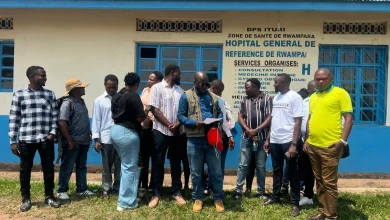
The Democratic Republic of the Congo is currently battling its 17th documented Ebola outbreak, which health authorities have warned is the fastest-growing Ebola epidemic ever recorded on the African continent. Officially declared by Congolese public health officials on May 15, 2026, the virus had already been quietly circulating for several weeks in remote communities without detection. This delayed response allowed the pathogen to establish a firm foothold in the northeastern provinces, which are already plagued by chronic political instability, armed conflict, and massive population displacement.
As of July 13, 2026, the country’s public health institute has reported 1,926 confirmed cases of Ebola, resulting in 702 deaths. The geographic footprint of the epidemic is expanding at an alarming rate. Initially concentrated in the Ituri province, the virus has recently breached containment lines, with newly confirmed cases appearing in the neighboring Haut-Uele and Tshopo provinces. Furthermore, cross-border transmission has been confirmed in Uganda, raising the specter of a broader regional crisis that could destabilize the entire East African community if containment efforts fail.
International Humanitarian and Medical Responses
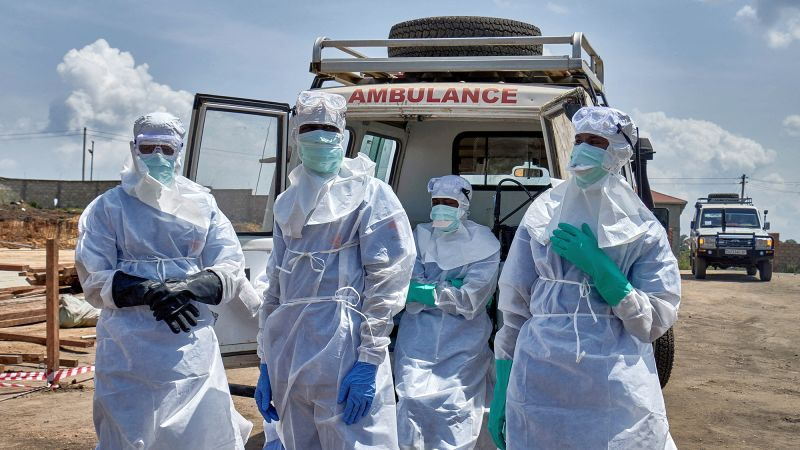
The international response to the outbreak has mobilized a diverse coalition of global health bodies, non-governmental organizations (NGOs), and foreign governments. Organizations such as Samaritan’s Purse, Doctors Without Borders (MSF), and the Red Cross are operating on the front lines, setting up emergency treatment centers and managing community-based surveillance. However, the volatile security environment in eastern Congo has severely restricted their operational capacity, making routine medical interventions highly hazardous.
The CDC and African Partners Join Forces
In response to the escalating crisis, the U.S. Centers for Disease Control and Prevention has deployed specialized epidemiological teams to work alongside the Africa Centres for Disease Control and Prevention (Africa CDC) and the Congolese Ministry of Health. Their collaborative efforts are focused on critical containment strategies, including robust contact tracing, the reinforcement of infection prevention and control (IPC) protocols in local clinics, and the deployment of rapid diagnostic testing kits. Additionally, the CDC is working closely with the employer of the infected American citizen to identify any potential exposures among co-workers and local contacts, ensuring they are placed under strict 21-day monitoring protocols.
Funding Gaps and Operational Challenges on the Ground
Despite the high-profile nature of the infection involving a U.S. citizen, international containment efforts are severely underfunded. The World Health Organization and local authorities have repeatedly warned of a massive funding gap that threatens to halt critical field operations. In eastern Congo, health workers must navigate not only the biological threat of the virus but also physical danger. Local health centers have repeatedly come under attack from various armed rebel groups operating in the region. These security breaches have forced aid agencies to temporarily suspend tracing operations, allowing the virus to spread unchecked during periods of active hostility.
Historical Context and Lessons from Prior Outbreaks
To understand the current crisis, it is essential to analyze the historical context of Ebola in the DRC. Since the virus was first discovered in 1976 near the Ebola River, the country has developed significant internal expertise in managing outbreaks. However, almost all historical epidemics were caused by the Zaire strain, meaning the infrastructure built to combat those outbreaks—such as cold-chain distribution networks for the Ervebo vaccine—is largely obsolete in the face of the Bundibugyo strain. The current outbreak’s unprecedented speed highlights the dangers of relying on strain-specific countermeasures and underscores the urgent need for a universal Ebola vaccine that can target multiple species of the filovirus family simultaneously.
Comparison of Ebola Virus Variants
To contextualize the unique danger posed by the Bundibugyo variant, the table below provides a detailed comparison of the major known variants of the Ebola virus that have caused human outbreaks.
| Ebola Virus Variant | Primary Host / Vector | Average Case Fatality Rate | Major Historical Outbreaks | Approved Vaccines / Treatments |
|---|---|---|---|---|
| Zaire ebolavirus (EBOV) | Fruit Bats (Pteropodidae) | 60% – 90% | West Africa (2013-16), DRC (2018-20) | Ervebo vaccine; Ebanga, Inmazeb therapies |
| Sudan ebolavirus (SUDV) | Fruit Bats (suspected) | ~50% | Sudan (1976), Uganda (2022) | None licensed (candidates in trials) |
| Bundibugyo ebolavirus (BDBV) | Fruit Bats (suspected) | 25% – 40% | Uganda (2007), DRC (2026) | None licensed (trials recently launched) |
| Taï Forest ebolavirus (TAFV) | Small mammals (suspected) | Extremely rare (1 case) | Côte d’Ivoire (1994) | None |
| Reston ebolavirus (RESTV) | Non-human primates, Pigs | 0% (Asymptomatic in humans) | US/Philippines (monkey facilities) | None required for humans |
Safety and Biosafety Measures in Germany and the US
The medical evacuation of the American patient has prompted a review of domestic biosafety protocols in both Germany and the United States. In the early stages of the outbreak, the U.S. administration had proposed constructing a dedicated quarantine and treatment facility in Kenya to manage exposed and infected American citizens abroad, rather than flying them back to the United States. However, this initiative was abruptly suspended following a legal challenge and subsequent injunction from a Kenyan court, which ruled that hosting such a facility posed an unconstitutional risk to local citizens. Consequently, international evacuations must rely on highly prepared European facilities like Frankfurt University Hospital.
In response to the growing threat, the U.S. Embassy in Kinshasa issued an updated health alert strongly advising all American citizens to avoid travel to the Democratic Republic of the Congo. Under current regulations, any travelers who may have been exposed to the virus are required to complete a strict 21-day quarantine period outside the United States at their own expense before they are permitted to re-enter the country. The U.S. government has outlined emergency assistance programs for life-saving medical care, but emphasizes that the logistical difficulties of evacuation mean that immediate local containment remains the safest course of action.
Future Outlook and Scientific Advancements
Despite the grim reality on the ground in the Democratic Republic of the Congo, there are encouraging signs of scientific progress on the horizon. In response to the current Bundibugyo outbreak, international researchers have accelerated clinical development of candidate vaccines. Notably, researchers at the University of Oxford have recently initiated human clinical trials for a promising new vaccine candidate known as ChAdOx1 BDBV. This vaccine, alongside a single-dose candidate known as rVSV Bundibugyo developed by the International AIDS Vaccine Initiative (IAVI), has been recommended by the World Health Organization for rapid clinical evaluation in the field.
To support these efforts, the Coalition for Epidemic Preparedness Innovations (CEPI) has announced an initial investment of up to $8.6 million to fund the rapid development and clinical testing of these shots. If early-stage clinical trials prove successful, CEPI intends to collaborate with the Serum Institute of India and other global manufacturers to fast-track late-stage studies, aiming for emergency-use authorizations. This rapid mobilization of scientific resources represents a vital step toward establishing a reliable shield against future outbreaks of the Bundibugyo variant. However, until a vaccine is fully approved and widely distributed, the international community must rely on traditional, resource-intensive containment measures to prevent this devastating virus from expanding its reach any further.