Iran’s last chance: Trump issues final warning amid Hormuz crisis 2026
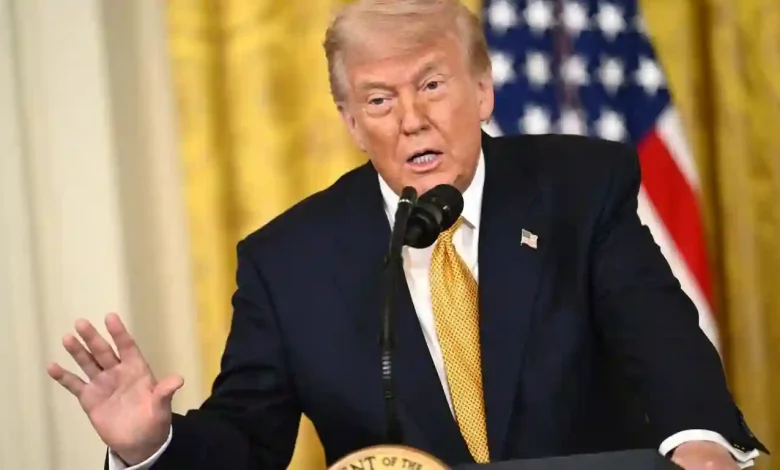
Table of Contents
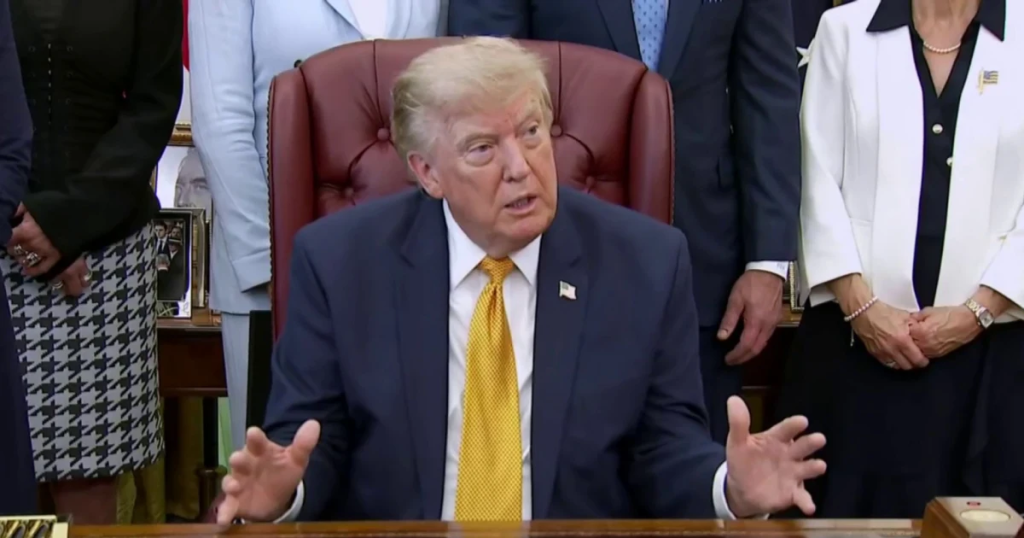
Iran’s last chance to avoid a devastating escalation of conflict with the United States has arrived, according to a severe warning issued by President Donald Trump. Speaking to reporters in the Oval Office on Monday, August 3, 2026, Trump declared that the Islamic Republic is facing its final opportunity to negotiate a diplomatic deal before Washington authorizes a punishing military operation. Despite Trump’s insistence that negotiations are actively underway, Tehran has issued a flat denial, exposing a deep diplomatic disconnect. Meanwhile, the critical Strait of Hormuz transit corridor has been plunged into further chaos following a projectile attack on a merchant vessel off the coast of Oman.
According to administrative officials, Trump’s decision to temporarily pause planned kinetic military strikes was influenced directly by intense backchannel appeals from key regional allies. These Gulf partners, including Saudi Arabia, the United Arab Emirates, and Qatar, have urged the United States to prioritize diplomacy over direct bombardment. As the White House asserts that a tentative framework has been established, the global community is watching closely to see if this diplomatic window will yield a lasting peace or serve as the precursor to a major regional escalation.
Trump’s Ultimatum: Deciphering the Last Chance Rhetoric
President Donald Trump has set a firm deadline for what he describes as the final diplomatic pathway for the Iranian regime. In a press conference that blended coercive diplomacy with elements of economic leverage, Trump stated that his patience has completely expired. He cautioned that if a comprehensive agreement is not reached immediately, the United States will proceed with a far more punishing military operation, which he characterized as a potential “decapitation” action targeting leadership structures. Shortly after the White House confirmed that Trump halts planned Iran attacks, the administration clarified that this temporary reprieve was strictly conditional upon rapid progress toward a comprehensive treaty.
According to military analysts, Trump’s willingness to suspend strikes is a tactical application of the “madman theory” of negotiation. By threatening maximum violence while simultaneously offering an immediate diplomatic off-ramp, Washington hopes to force Tehran into structural concessions regarding both its regional maritime operations and its long-term nuclear ambitions. The administration has divided the proposed negotiations into two distinct phases: Phase 1 focuses on the complete, guaranteed reopening of the Strait of Hormuz, while Phase 2 centers on addressing Iran’s nuclear capabilities.
The Role of Persian Gulf Allies in Pausing US Strikes
The temporary halt in direct American military action was reportedly brokered after intense personal diplomacy from regional capitals. Saudi Arabia’s Crown Prince Mohammed bin Salman, along with leaders from the United Arab Emirates and Qatar, placed urgent calls to the White House over the weekend. These Gulf Cooperation Council (GCC) states are deeply vulnerable to the immediate consequences of a full-scale war. A sustained American bombing campaign would likely trigger asymmetric retaliatory strikes from Iran against Gulf desalination plants, energy facilities, and local civilian infrastructure.
While regional states are eager to avoid a regional conflagration, the official Iranian stance rejects negotiations under the immediate threat of military destruction. Iranian hardliners argue that negotiating while under the shadow of American warships amounts to unconditional surrender. This division has complicated the work of Arab mediators. While Qatar and Oman continue to act as backchannels, transmitting draft documents between Washington and Tehran, they face an uphill battle in reconciling the fundamental security demands of both main actors.
The Diplomatic Disconnect: Claims and Denials of Direct Talks
The discrepancy between the two capitals remains stark. While the White House insisted that backchannel talks had resumed, Iran denies Trump claims of ongoing direct dialogue. Trump publicly maintained that direct bilateral talks started on Monday and that the two sides were actively reviewing structural draft proposals. However, Tehran has consistently sought to counter this narrative, fearing that any public admission of direct talks would be interpreted as a sign of weakness under extreme external pressure.
This denial was reinforced by senior diplomats in Tehran, who stated that Iran denies peace talks are currently occurring, characterizing Washington’s statements as unilateral political pressure. Iranian Foreign Ministry spokesperson Esmaeil Baqaei clarified that while technical discussions regarding maritime transit do exist, they are occurring strictly through the mediation of the Sultanate of Oman rather than via any direct, unmediated contact with the United States. This diplomatic game of mirrors highlights the intense domestic pressures faced by both administrations, as neither leader can afford to appear overly conciliatory to their domestic base.
Oman’s Mediation and the New Strait of Hormuz Framework
Diplomats in Muscat are working tirelessly to broker a temporary Strait of Hormuz deal that would allow commercial shipping to bypass the current military blockade. The proposed interim framework, as reported by diplomatic sources, would split the control and administration of the strategic waterway between Iran and Oman. Under this tentative arrangement, vessels entering the Persian Gulf would utilize a transit lane running close to the Iranian coast, under the administrative supervision of Tehran’s maritime authorities, while outbound traffic would navigate closer to the Omani coast.
In navigating these complex maritime corridors, Iran bets on calibrated response tactics, aiming to preserve its operational leverage over the waterway without precipitating an outright war with Western naval forces. To sustain this posture, Iranian negotiators have insisted on charging a designated “service fee” to cover security, environmental, and administrative expenses for passing vessels. The United States, however, has rejected any framework that legitimizes Iranian financial levies on international shipping, arguing that any transit arrangements must remain free from arbitrary tolls or sovereign interference.
Maritime Flashpoint: The Projectile Attack Off the Coast of Oman
These ongoing negotiations occur against a backdrop of escalating kinetic attacks in the Strait of Hormuz, which have severely disrupted global shipping. Late Monday night, the United Kingdom Maritime Trade Operations (UKMTO) received a distress signal from a merchant vessel off the Musandam Peninsula, located approximately 20 nautical miles northeast of Khasab, Oman. The vessel, later identified as the dry bulk carrier “Minoan Pioneer,” reported being struck by an unidentified projectile. The impact occurred in the vessel’s engine room, resulting in a total electrical blackout, structural damage, and a localized fire within the accommodation spaces.
While emergency crews worked to contain the blaze, maritime security agencies reported that a third engineer was missing following the blast. The incident marks the fourth maritime security event in the region within a five-day span, emphasizing the severe operational hazards for commercial crews transiting the Gulf of Oman. Analysts believe the attack was likely initiated by regional proxy groups or Iranian hardline elements seeking to disrupt the very diplomatic efforts being facilitated by Oman.
Economic Implications of the Hormuz Transit Crisis
The effective closure of the Strait of Hormuz has sent shockwaves through global energy and agricultural markets. Before the onset of hostilities, the waterway carried approximately 25% of the world’s seaborne crude oil and 20% of its liquefied natural gas (LNG). Major energy conglomerates, including QatarEnergy, have already issued warnings to major European and Asian buyers indicating that critical LNG shipments will be delayed significantly, with some backlogs extending into late September and October.
Because the economic consequences of a permanent closure are so severe, Iran rejects Trump’s ultimatum, viewing the threat of ‘decapitation’ as an unacceptable violation of international law and sovereign navigation rights. However, the economic pain is not limited to oil and gas. The strait also serves as a critical transit corridor for approximately 30% of the global maritime fertilizer trade. Developing nations with limited purchasing power are facing double jeopardy: soaring import costs for fuel and potential fertilizer shortages that threaten domestic crop yields and long-term food security.
| Date (2026) | Incident / Diplomatic Action | Location | Impact / Details |
|---|---|---|---|
| July 28 | Oman proposes joint mechanism | Muscat / Tehran | Voluntary tolls proposed; Iran demands mandatory fees and pre-approved routes |
| July 31 | Projectile strike near tanker (Warning 102-26) | Off Khasab, Oman | Large splash and explosion observed; no damage reported |
| August 1 | Tanker struck by projectile (Warning 101-26) | Off Lima, Oman | Impact caused damage to vessel’s engine room; no injuries |
| August 2 | Trump announces cancellation of planned attacks | Washington, D.C. | Trump cites requests from Saudi Arabia and UAE; demands immediate talks |
| August 3 | Dry bulk carrier “Minoan Pioneer” attacked | 20 nm NE of Khasab | Struck by projectile in engine room; blackout; 3rd engineer missing |
| August 4 | US and Iran claims diverge on direct talks | Washington / Tehran | Trump asserts talks are ongoing; Iran denies and points to Oman maritime talks only |
The Strategic Calculus: What Happens If Talks Fail?
The margin for diplomatic error is razor-thin, and the strategic consequences of a breakdown in talks are immense. If Muscat’s mediation efforts fail to produce a stable, mutually acceptable transit mechanism, the region will face three highly likely scenarios:
- Sustained Asymmetric Maritime Sabotage: Iran and its allied proxy networks could continue low-intensity kinetic operations, using limpet mines, suicide drones, and localized projectile strikes to make the Strait of Hormuz completely uninsurable for commercial traffic.
- Unilateral Western Escort Operations: A coalition of Western and allied naval forces could establish a heavily armed convoy system to force transit through the Omani coast, bypassing Iranian sovereign claims entirely and risking direct, ship-to-ship military engagements.
- Direct US Strategic Bombardment: Should Trump’s diplomatic window close without a treaty, the Pentagon is prepared to execute its previously postponed strike packages, targeting Iran’s port facilities, coastal defense networks, and nuclear infrastructure.
Ultimately, the current pause in direct military conflict is a fragile geopolitical truce. While Washington insists that Iran must accept its terms or face devastating consequences, Tehran is betting that its leverage over global energy chokepoints will deter a full-scale invasion. As the diplomatic clock ticks down, the international community remains on high alert, fully aware that a single miscalculation in the narrow waters of the Gulf could ignite a global economic and military catastrophe.