Iran Confronts Trump’s ‘Decapitation’ Threat Amid Flawed Diplomacy 2026
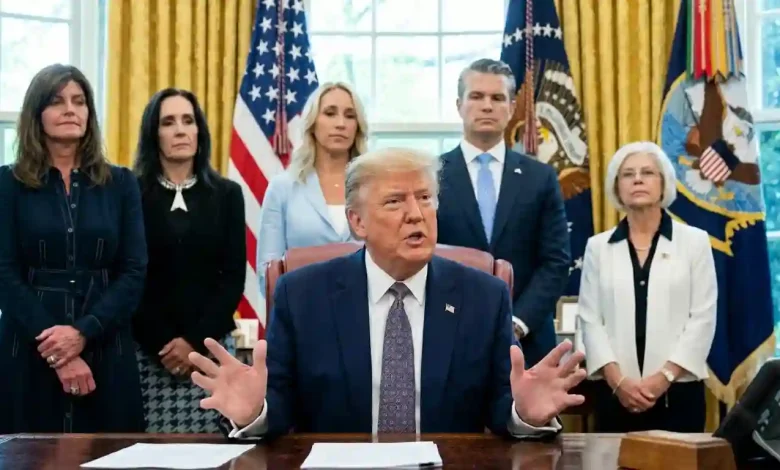
Table of Contents
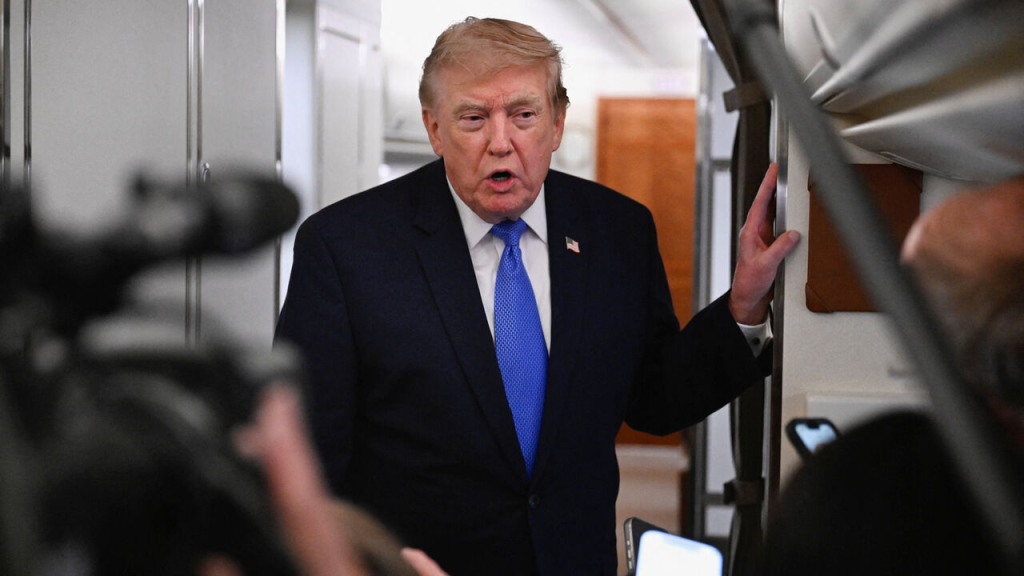
Iran stands at the epicenter of a precarious geopolitical crucible as diplomatic channels between Tehran and Washington teeter on the verge of complete collapse. On Monday, August 3, 2026, U.S. President Donald Trump dramatically intensified the rhetoric, warning that the Islamic Republic faces what he termed “decapitation” if it fails to capitalize on what he characterized as a final opportunity to secure a peace deal. Trump’s fiery remarks came shortly after he opted to temporarily postpone a massive, planned aerial assault on the country’s critical infrastructure. Describing the aborted operation as potentially “the biggest attack since World War II,” Trump asserted that he was extending a brief window for dialogue to bear fruit. However, the prospects of a diplomatic breakthrough were immediately clouded by severe mutual distrust. In a series of public statements, Trump characterized the Iranian leadership as “unbelievably duplicitous” after officials in Tehran vehemently refuted his claims that formal bilateral talks had begun.
Iran :The Crucible of Diplomacy: Analyzing Trump’s Ultimatum
Underneath the bluster of international diplomacy, the current military conflict is entering its sixth volatile month. As the conflict’s escalatory cycle reaches a new high, regional actors find themselves balancing the terrifying prospect of all-out war with the economic pain of ongoing blockades. For weeks, Washington and Jerusalem have maintained an incredibly tight economic and naval chokehold on the Persian Gulf, threatening the stability of energy markets worldwide. Trump’s claim that a major diplomatic breakthrough was scheduled to begin on Monday triggered a temporary relief in commodity volatility, but the subsequent war of words has once again sent shockwaves through global markets. President Trump told reporters in the Oval Office that he was pursuing the talks not out of a reluctance to use military force, but because key Middle Eastern allies—specifically Saudi Arabia, Qatar, and the United Arab Emirates—had begged him to give diplomacy one final, comprehensive chance before proceeding with planned kinetic operations.
Iran :Decapitation Threat: The Brinkmanship of the White House
To understand the psychological warfare at play, one must analyze the stark language chosen by the American Commander-in-Chief. By utilizing the term “decapitation,” the Trump administration is sending an explicit signal that any future military campaign will not merely target radar installations or remote military outposts, but will directly aim at the senior leadership and command-and-control apparatus of the Islamic Revolutionary Guard Corps (IRGC) and the political establishment in Tehran. The President’s sudden halt to planned military strikes was supposedly requested by regional mediators who argued that a catastrophic war could be averted if Iran was given a clear, final exit ramp. Trump insisted that the parameters of a potential agreement are already defined, split neatly into a two-phased resolution: first, the immediate and total reopening of vital shipping corridors, and second, a rigorous framework to ensure the complete denuclearization of the country. If these phases are rejected, Trump warned, the military contingency plans—which have been thoroughly updated and approved—will be executed without delay.
Tehran’s Denial: Sifting Truth from Diplomatic Posturing
The response from Tehran was swift and dismissive, laying bare the deep chasm in narratives between the two opposing capitals. Even as Iran denies Trump’s claims of a direct, bilateral channel, the Trump administration insists that private communications have, in fact, taken place under the auspices of regional third parties. Foreign Ministry Spokesman Esmaeil Baqaei asserted at a press conference in Tehran that the country has no plans to send delegations to Washington, nor will it host American envoys. Instead, Baqaei clarified that their current diplomatic efforts are strictly confined to discussions with Omani officials regarding local transit and maritime safety. The White House has argued that negotiations with Iran are the only viable mechanism to bypass the current military friction, characterizing Tehran’s public denials as a classic face-saving maneuver designed to project strength to domestic hardliners and regional proxies who view direct negotiations with the ‘Great Satan’ as an act of capitulation.
Regional Fallout: Houthi Drone Strike Targets Saudi Arabia
Compounding the diplomatic tension is the fluid security situation on the ground, where Iranian-aligned groups continue to demonstrate their tactical reach. On Tuesday, Yemen’s Houthi rebels claimed they carried out a successful drone strike targeting a “sensitive target” at Najran Airport in southern Saudi Arabia. While Saudi military authorities have not officially commented on or confirmed the strike, the announcement underscores the fragile nature of any regional ceasefire or mediation efforts. This asymmetrical military push is a core element of Iran’s broader regional retaliation plan, which leverages regional proxy networks to pressure American allies without triggering a direct, conventional confrontation on Iranian soil. By targeting critical infrastructure in Saudi Arabia, the Houthis seek to remind Riyadh of the severe economic and security costs associated with supporting Washington’s ‘Wall of Steel’ blockade, thereby driving a wedge between the United States and its key Gulf security partners.
The Strait of Hormuz: Economic Blockades and Energy Security
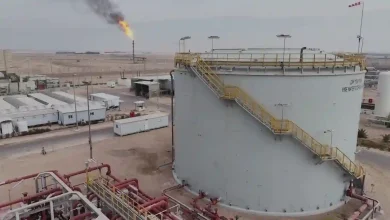
At the center of this geopolitical storm lies the vital maritime shipping corridor of the Middle East. The shipping corridor in the Strait of Hormuz remains a highly sensitive chokepoint through which approximately one-fifth of the world’s liquid petroleum passes daily. Following the breakdown of previous ceasefires, Tehran’s forces have attempted to enforce a strict control regime, obstructing commercial vessels and demanding transit tolls—a move that the United States Navy has flatly rejected. President Trump has repeatedly claimed that the U.S. Navy and allied forces have established absolute operational control over the region through a naval blockade. The U.S. naval presence, described by the administration as a “Wall of Steel,” aims to completely isolate Iran from international maritime commerce unless a permanent, favorable agreement is reached. The economic pressure from this blockade has severely crippled the domestic Iranian economy, yet it has also spurred Tehran to adopt increasingly aggressive tactics to break the stranglehold, including clandestine mine-laying and drone harassment of merchant fleets.
Comparing Rhetoric vs. Reality: A Tactical Overview
To better grasp the contrasting objectives of the involved entities, we must analyze the stark discrepancies between their public rhetoric, backchannel operations, and actual field maneuvers. Below is a detailed comparative breakdown of the primary players involved in this tense diplomatic and military standoff.
| Geopolitical Actor | Public Stance / Action | Strategic Objectives | Key Leverage Points |
|---|---|---|---|
| United States | Demands denuclearization, permanent opening of the Strait of Hormuz, and threat of “decapitation” military strikes. | Establish regional deterrence, dismantle nuclear capabilities, and maintain freedom of navigation. | Total maritime blockade (“Wall of Steel”), global financial dominance, and overwhelming conventional military power. |
| Iran | Denies direct negotiations with Washington, limits official talks to regional Omani mediation, and asserts maritime sovereignty. | Lifting of economic blockades, regime preservation, and maintaining proxy deterrence networks. | Asymmetric strike capacity, control over Hormuz shipping channels, and enrichment capabilities. |
| Saudi Arabia & UAE | Supported the temporary pause in strikes to allow for Omani-mediated maritime talks while remaining targeted by proxies. | Avoid direct infrastructure damage, secure shipping lanes, and deter regional proxy aggression. | Economic influence, hosting of allied bases, and mediation backing. |
| Yemeni Houthis | Claimed drone strikes on southern Saudi targets (Najran Airport) to project regional capability. | Disrupt regional stability and pressure allied coalitions on behalf of the Axis of Resistance. | Low-cost, highly maneuverable unmanned aerial vehicles (UAVs) and land-attack cruise missiles. |
Geopolitical Mediators: The Roles of Qatar, Oman, and Regional Powers
To prevent a local clash from escalating into a global conflagration, several regional intermediaries have stepped up their diplomatic efforts. Qatar, Oman, and Pakistan have emerged as pivotal actors in keeping communication lines open, even when direct talks between Washington and Tehran are politically untenable. Qatari Foreign Ministry Spokesman Majed Al Ansari confirmed that active diplomatic efforts are ongoing, focusing on short-term resolutions designed to decrease immediate tensions and lay the groundwork for structured negotiations. Oman, which has historically played the role of a neutral facilitator in Persian Gulf disputes, is currently hosting talks regarding a temporary shipping protocol to de-escalate maritime friction. Tehran relies on a calibrated diplomatic strategy to negotiate with neighboring Oman while keeping direct U.S. contacts at arm’s length, allowing it to seek economic relief without appearing to yield to direct American intimidation or Trump’s aggressive rhetoric.
The Strategic Outlook: Diplomatic Dead Ends and Escalate-to-De-escalate Tactics
The current impasse highlights a profound strategic deadlock where neither side can afford to show weakness. For President Trump, the “decapitation” threat serves as a tool of extreme pressure designed to force Iran’s hand, while his willingness to halt scheduled airstrikes demonstrates a tactical flexibility aimed at avoiding a prolonged, unpopular ground war in the Middle East. For Iran, maintaining a defiant public posture while privately exploring diplomatic off-ramps is essential for preserving regime legitimacy and regional influence. As the clock ticks down on Trump’s latest ultimatum, the risk of miscalculation remains exceptionally high. If the Omani-facilitated maritime talks fail to yield an immediate compromise, the world may witness an unprecedented escalation that could reshape the security architecture of the Middle East for decades to come.