Sandy Fire Erupts Near Simi Valley: Evacuations and Damage Report
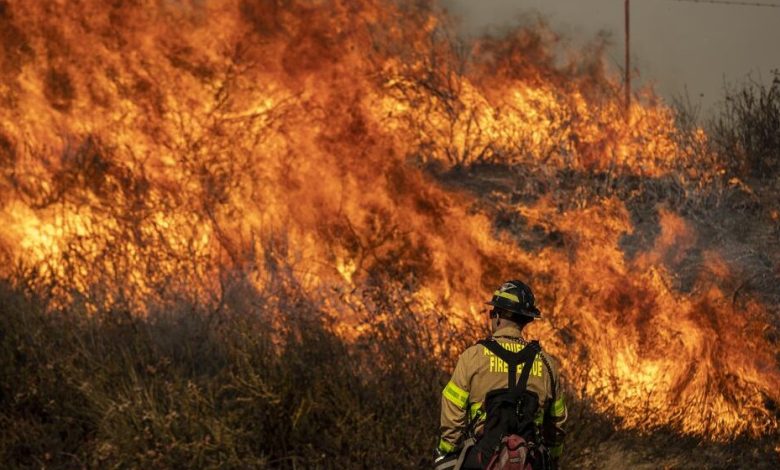
Overview of the Sandy Fire
The Sandy Fire, a rapidly spreading wildfire, ignited in the hills surrounding Simi Valley, California, on the morning of May 19, 2026. The fire, which started around 10 a.m., quickly escalated, consuming over 1,300 acres of dry brush by the evening and causing damage to at least one residential structure. The Ventura County Fire Department reported that strong morning gusts, reaching speeds of over 30 mph, fueled the fire’s initial rapid spread. As the day progressed, fire officials expressed optimism that the winds would subside, aiding firefighting efforts. The Sandy Fire prompted widespread evacuation orders and warnings, affecting approximately 10,000 homes in Simi Valley and neighboring communities, including Bell Canyon and Santa Susana. The situation remains dynamic, with ongoing efforts to contain the blaze and protect residential areas. This event underscores the ever-present risk of wildfires in Southern California, particularly during dry seasons.
Initial Outbreak and Rapid Spread
The Sandy Fire‘s initial outbreak occurred in the hills above Simi Valley, a location known for its dry vegetation and susceptibility to wildfires. The combination of readily available fuel and strong winds created ideal conditions for the fire to spread rapidly. Within hours, the blaze had consumed a significant amount of acreage, driven by the forceful morning gusts. The Ventura County Fire Department immediately dispatched resources to combat the fire, but the speed of the spread presented considerable challenges. Initial reports indicated that the fire was moving in a southwesterly direction, threatening homes in the path of the flames. The rapid escalation necessitated immediate evacuation orders to ensure the safety of residents. The cause of the fire is currently under investigation, but preliminary assessments suggest that it may have been sparked by human activity or a natural event such as lightning.
Extensive Evacuation Orders and Warnings
In response to the escalating threat posed by the Sandy Fire, authorities issued extensive evacuation orders and warnings affecting approximately 10,000 homes in Simi Valley, Bell Canyon, and Santa Susana. These orders were implemented to ensure the safety of residents in areas most vulnerable to the advancing fire. An additional 3,500 homes were placed under evacuation warnings, advising residents to prepare for potential evacuation. The evacuation process involved significant coordination between local law enforcement, fire departments, and community organizations. Evacuation centers were established to provide shelter and support for those displaced by the fire. The effectiveness of the evacuation efforts was crucial in minimizing the potential for casualties and ensuring the orderly movement of residents out of harm’s way. Real-time updates and information were disseminated through various channels, including social media, local news outlets, and emergency alert systems. The political ramifications of disaster response are also being watched closely.
Impact on Simi Valley and Surrounding Communities
Simi Valley, a city with a population of over 125,000, was significantly impacted by the Sandy Fire. The entire city was shrouded in smoke, creating hazardous air quality conditions for residents. The closure of roads and businesses disrupted daily life, and the sense of uncertainty and anxiety permeated the community. In addition to Simi Valley, neighboring communities such as Bell Canyon and Santa Susana also felt the effects of the fire, with residents facing potential evacuation and exposure to smoke. The fire served as a stark reminder of the vulnerability of these communities to natural disasters and the importance of preparedness. Local organizations and volunteers mobilized to provide assistance to those affected, offering food, shelter, and emotional support. The long-term impact on the community remains to be seen, but the immediate focus is on containing the fire and supporting those who have been displaced.
Firefighting Efforts and Resource Deployment
Firefighting efforts to combat the Sandy Fire involved a coordinated response from multiple agencies, including the Ventura County Fire Department, the Los Angeles County Fire Department, and the California Department of Forestry and Fire Protection (CAL FIRE). Resources deployed included ground crews, air tankers, and helicopters, all working in tandem to suppress the flames. Helicopters were used to drop water on the fire, while ground crews worked to create firebreaks and protect structures. Air tankers dropped fire retardant to slow the fire’s progress and prevent it from spreading to new areas. The challenging terrain and strong winds made firefighting efforts difficult, but crews worked tirelessly to contain the blaze. Incident command centers were established to coordinate the response and ensure efficient allocation of resources. Mutual aid agreements with neighboring jurisdictions enabled the deployment of additional resources as needed.
Weather Conditions and Fire Behavior
Weather conditions played a significant role in the behavior of the Sandy Fire. Strong morning gusts, exceeding 30 mph, fueled the fire’s rapid spread, making it difficult for firefighters to contain the flames. The dry brush provided ample fuel for the fire, contributing to its intensity. As the day progressed, fire officials anticipated that the winds would subside, which would help slow the fire’s progress. Temperatures remained high, further exacerbating the situation. The combination of wind, dry vegetation, and high temperatures created a challenging environment for firefighting efforts. Fire behavior analysts closely monitored weather patterns to predict the fire’s movement and adjust strategies accordingly. The political and economic impacts of extreme weather are always major concerns during incidents like these.
Damage Assessment and Affected Areas
As of the latest reports, the Sandy Fire had damaged at least one home. Assessment teams are actively evaluating the full extent of the damage, which includes assessing the number of structures affected and the total acreage burned. The focus is on determining the impact on residential areas, infrastructure, and natural resources. Damage assessment is a critical component of the recovery process, as it informs decisions about resource allocation and rebuilding efforts. The affected areas include portions of Simi Valley, Bell Canyon, and Santa Susana, with the fire posing a continuing threat to additional homes and communities. The assessment process involves collaboration between fire officials, insurance companies, and local government agencies.
Governor Newsom’s Statement and State Support
Governor Gavin Newsom’s office released a statement addressing the Sandy Fire, emphasizing the state’s commitment to providing support and resources to the affected communities. The statement highlighted the coordinated efforts of state agencies, including CAL FIRE, and local fire departments to combat the fire. Governor Newsom assured residents that the state would continue to monitor the situation closely and provide assistance as needed. The state’s support includes providing funding for firefighting efforts, deploying additional resources, and coordinating with local authorities to ensure the safety and well-being of residents. The Governor’s office also urged residents to follow evacuation orders and heed the advice of emergency personnel. The political dynamics surrounding the Governor’s response are closely scrutinized during such crises.
Historical Context of Wildfires in Ventura County
Ventura County has a long history of wildfires, with several significant blazes occurring in recent decades. The region’s dry climate, rugged terrain, and abundant vegetation make it particularly susceptible to wildfires, especially during the dry season. Past fires have caused widespread damage to homes, infrastructure, and natural resources. The Sandy Fire serves as a reminder of the ever-present threat of wildfires in the region and the importance of proactive measures to prevent and mitigate their impact. Historical data on past fires informs current firefighting strategies and helps to improve preparedness efforts. Community education programs and fuel reduction projects are essential components of wildfire prevention efforts in Ventura County.
Safety Measures and Evacuation Procedures
Ensuring public safety during the Sandy Fire involves a range of safety measures and evacuation procedures. Residents in affected areas are urged to follow evacuation orders promptly and to heed the advice of emergency personnel. It is crucial to have a pre-planned evacuation route and a go-bag containing essential items such as medications, important documents, and personal belongings. During an evacuation, residents should remain calm and follow instructions from authorities. Shelters are available for those who have been displaced, providing a safe place to stay and access to essential services. Staying informed through official channels, such as local news and emergency alerts, is essential for receiving timely updates and information. After the fire, it is important to assess the safety of returning to evacuated areas and to follow guidelines for re-entry.
Long-Term Outlook and Recovery Efforts
The long-term outlook for the areas affected by the Sandy Fire involves a comprehensive recovery process. This includes assessing the full extent of the damage, providing support to displaced residents, and rebuilding damaged infrastructure. Recovery efforts will require collaboration between government agencies, community organizations, and private sector partners. Mental health support is crucial for those who have experienced trauma as a result of the fire. Long-term strategies for wildfire prevention and mitigation are essential to reduce the risk of future blazes. These strategies include fuel reduction projects, community education programs, and improved building codes. The recovery process may take months or years, but the goal is to rebuild stronger and more resilient communities.
The Climate Change Connection
The Sandy Fire, like many wildfires in recent years, highlights the increasing impact of climate change on wildfire risk. Rising temperatures, prolonged droughts, and changes in precipitation patterns contribute to drier vegetation and longer fire seasons. Climate change is exacerbating the conditions that make wildfires more likely to ignite and spread rapidly. Addressing climate change through reducing greenhouse gas emissions and implementing sustainable land management practices is essential to mitigate the risk of future wildfires. Increased investment in wildfire prevention and suppression efforts is also crucial. The global implications and data sharing issues related to climate change are constantly being evaluated.
| Attribute | Details |
|---|---|
| Location | Hills above Simi Valley, California |
| Date of Outbreak | May 19, 2026 |
| Acres Burned | Over 1,300 |
| Homes Damaged | At least 1 |
| Evacuated Homes | Approximately 10,000 |
| Evacuation Warnings | 3,500 homes |
| Wind Speed | Gusts over 30 mph |
| Agencies Involved | Ventura County Fire Department, Los Angeles County Fire Department, CAL FIRE |
| Governor’s Response | State support and resources committed |
| Community Impact | Simi Valley, Bell Canyon, Santa Susana |
For additional information on wildfire prevention and safety, visit Ready.gov.