Harris’s 2028 Ambitions Stir Debate Over 2024 Election Postmortem
Introduction
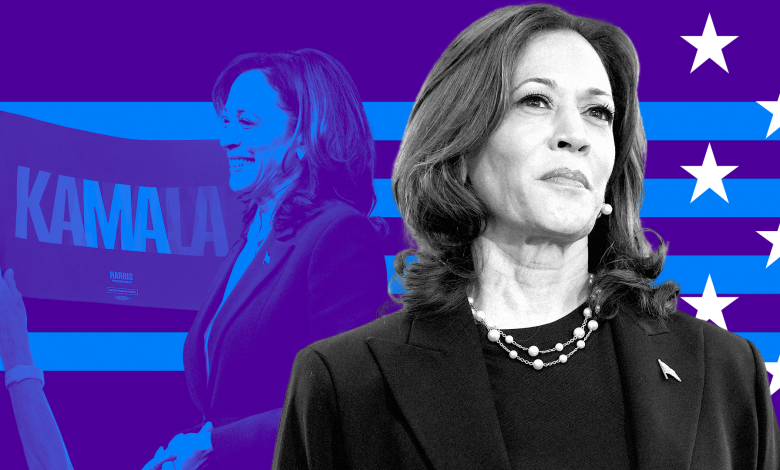
As the political landscape shifts and the 2028 presidential election looms on the horizon, Kamala Harris finds herself at the center of a swirling debate within the Democratic Party. While she contemplates a potential bid for the presidency, a contentious discussion has erupted over the release of the postmortem analysis of her 2024 election defeat. This internal conflict highlights the deep divisions within the party regarding how to approach the future while grappling with the lessons of the past. Harris’s strategic moves and the party’s response to her ambitions will undoubtedly shape the political narrative in the coming years.
Harris’ Potential 2028 Bid
Kamala Harris is actively considering another run for the presidency in 2028. Despite her loss to Donald Trump in the 2024 election, where she secured 226 electoral votes compared to Trump’s 312 and lost the popular vote by 1.5 percentage points, Harris remains a prominent figure in the Democratic Party [cite: n/a]. She has been engaging in several activities typical of prospective candidates, including touring the country, delivering speeches to state parties, and developing a framework for a potential policy platform. Moreover, she is consulting with fellow Democrats to gauge the landscape and understand the challenges and opportunities that lie ahead [cite: n/a]. Her recent public acknowledgement at a National Action Network event in New York, where she stated she is “thinking about” another bid, underscores her serious consideration of a 2028 campaign [cite: n/a].
Harris’s continued involvement in political affairs signals her intent to remain relevant and influential within the party. By actively participating in discussions and events, she aims to shape the narrative and position herself as a viable candidate for future leadership roles. Her efforts to develop a comprehensive policy platform demonstrate a commitment to addressing the critical issues facing the nation, while her consultations with other Democrats reflect a collaborative approach to problem-solving and decision-making [cite: n/a].
The 2024 Election Autopsy Controversy
A significant point of contention within the Democratic Party revolves around the release of the postmortem analysis of Harris’s 2024 election campaign. This autopsy, intended to provide a comprehensive review of the campaign’s strengths and weaknesses, has become a subject of intense debate [cite: n/a]. While Harris reportedly indicated to donors that she had no objection to its release, the decision to keep it under wraps was made by DNC Chairman Ken Martin, without her prior knowledge [cite: n/a]. This decision has sparked considerable frustration and disagreement within the party, as many believe that a transparent examination of the 2024 election is crucial for learning from past mistakes and developing effective strategies for future campaigns.
The controversy surrounding the autopsy’s release has evolved into a significant flash point, exacerbating existing tensions within the Democratic Party. Those advocating for its release argue that transparency and accountability are essential for maintaining trust and credibility with voters. They believe that a thorough analysis of the 2024 campaign’s shortcomings is necessary to identify areas for improvement and prevent similar failures in future elections [cite: n/a].
Conversely, those who support keeping the autopsy private may argue that its release could be politically damaging, potentially exposing vulnerabilities and providing ammunition for opponents. They might believe that focusing on the future and presenting a united front is more strategic than dwelling on past failures. However, this approach risks alienating those who feel that transparency and accountability are paramount [cite: n/a].
Intraparty Divisions and Ken Martin’s Role
The decision by DNC Chairman Ken Martin to keep the 2024 election autopsy under wraps has intensified intraparty divisions. Martin’s initial promise to conduct a comprehensive review and share it with the public has been called into question, leading to accusations of a lack of transparency and accountability [cite: n/a]. This situation has placed Martin in a difficult position, as he faces pressure from various factions within the party with differing opinions on the matter. The controversy has not only affected his credibility but also highlighted the broader challenges of maintaining unity and consensus within a diverse political organization.
The divisions within the Democratic Party reflect deeper ideological and strategic differences regarding the party’s direction. Some factions may advocate for a more progressive agenda, while others may favor a more moderate approach. These differences often manifest in debates over policy priorities, campaign strategies, and leadership styles. The controversy surrounding the election autopsy serves as a microcosm of these broader tensions, highlighting the difficulty of reconciling competing interests and perspectives within the party [cite: n/a].
Martin’s role as DNC Chairman requires him to navigate these complex dynamics and find common ground among diverse factions. His decision-making process regarding the election autopsy has come under scrutiny, raising questions about his leadership style and his ability to effectively manage intraparty conflicts. The outcome of this controversy will likely have lasting implications for Martin’s tenure as DNC Chairman and the overall direction of the Democratic Party [cite: n/a].
Harris’ Strategy for 2028
In preparation for a potential 2028 presidential bid, Kamala Harris is employing a multifaceted strategy aimed at strengthening her position within the Democratic Party and broadening her appeal to voters. This strategy includes seeking counsel from allies, developing a comprehensive policy platform, and actively engaging with party members and constituents across the country [cite: n/a]. By carefully considering the lessons learned from the 2024 election and adapting her approach to address the evolving political landscape, Harris hopes to mount a successful campaign in 2028.
Seeking counsel from trusted allies is a crucial aspect of Harris’s strategy. By soliciting advice and feedback from experienced political advisors, strategists, and community leaders, she can gain valuable insights into the challenges and opportunities that lie ahead. These consultations can help her refine her policy platform, messaging, and campaign strategy to resonate with voters and address their concerns [cite: n/a].
Developing a comprehensive policy platform is another key component of Harris’s strategy. By articulating clear and well-defined policy positions on issues such as healthcare, education, climate change, and economic inequality, she can demonstrate her commitment to addressing the pressing challenges facing the nation. A strong policy platform can also help her differentiate herself from potential primary opponents and appeal to a broad range of voters [cite: n/a].
Actively engaging with party members and constituents across the country is essential for building grassroots support and mobilizing volunteers. By attending local events, town halls, and community meetings, Harris can connect with voters on a personal level and demonstrate her commitment to representing their interests. These interactions can also provide valuable feedback and insights that can inform her policy platform and campaign strategy [cite: n/a]. It is important to connect with voters on issues such as the economy, which could be impacted by events like the Fed’s treasury buys [cite: n/a].
Potential Challenges and Obstacles
Despite her efforts to prepare for a potential 2028 presidential bid, Kamala Harris faces several significant challenges and obstacles. These include navigating intraparty divisions, addressing criticisms of her past performance, and competing against other potential candidates for the Democratic nomination [cite: n/a]. Overcoming these challenges will require skillful leadership, strategic decision-making, and a compelling vision for the future of the country.
Navigating intraparty divisions is a major challenge for Harris. As the controversy surrounding the 2024 election autopsy demonstrates, the Democratic Party is not monolithic, and different factions often have competing interests and priorities. Harris must find ways to bridge these divides and build consensus around a common agenda [cite: n/a]. This will require effective communication, negotiation, and compromise.
Addressing criticisms of her past performance is another significant obstacle. Harris’s record as a prosecutor, attorney general, and senator has come under scrutiny, and she has faced criticism for her stances on certain issues. She must be prepared to defend her record and address these criticisms head-on [cite: n/a]. This will require transparency, accountability, and a willingness to learn from past mistakes.
Competing against other potential candidates for the Democratic nomination will also be a challenge. The field of potential candidates for the 2028 election is likely to be crowded, and Harris will need to differentiate herself from her rivals. This will require a compelling message, a strong fundraising base, and an effective campaign strategy [cite: n/a]. The future of the Democratic party could involve a Sanders/Mantle type struggle [cite: n/a].
Comparison of Harris and Trump 2024 Election Results
| Candidate | Electoral Votes | Popular Vote |
|---|---|---|
| Kamala Harris | 226 | Lost by 1.5% |
| Donald Trump | 312 | Won by 1.5% |
The 2024 election saw Donald Trump defeat Kamala Harris, securing 312 electoral votes to Harris’s 226. Trump also won the popular vote by a margin of 1.5 percentage points. This defeat marked a significant setback for the Democratic Party and raised questions about the party’s future direction and leadership [cite: n/a]. Understanding the factors that contributed to this outcome is crucial for developing effective strategies for future elections.
Several factors may have contributed to Trump’s victory in 2024. These include his strong support among working-class voters, his effective use of social media to mobilize his base, and his ability to tap into anxieties about cultural and demographic change. Additionally, the COVID-19 pandemic and the economic disruption it caused may have influenced voters’ decisions [cite: n/a].
The results of the 2024 election highlight the challenges facing the Democratic Party in appealing to a broad range of voters. The party must find ways to connect with working-class voters, address concerns about economic inequality, and offer a compelling vision for the future of the country. Additionally, the party must adapt its communication strategies to effectively counter misinformation and engage with voters on social media [cite: n/a].
Impact of the 2024 Election on the Democratic Party
The 2024 election had a profound impact on the Democratic Party, triggering a period of introspection and debate about the party’s future direction. The defeat led to questions about the party’s messaging, strategy, and leadership, prompting calls for change and reform [cite: n/a]. The controversy surrounding the 2024 election autopsy is just one manifestation of the broader tensions and divisions within the party.
In the wake of the 2024 election, the Democratic Party has been grappling with several key questions. These include how to appeal to working-class voters, how to address concerns about economic inequality, and how to counter the rise of populism and nationalism. The party is also debating the role of identity politics and the best way to engage with diverse constituencies [cite: n/a].
The outcome of these debates will shape the Democratic Party’s platform, strategy, and leadership in the years to come. The party must find ways to unite diverse factions, develop a compelling vision for the future, and effectively communicate its message to voters. The success of the Democratic Party in future elections will depend on its ability to learn from the mistakes of the past and adapt to the changing political landscape [cite: n/a].
Allies and Advisors’ Influence on Harris’ Decision
Kamala Harris’s decision regarding a potential 2028 presidential bid will be heavily influenced by her allies and advisors. These individuals provide her with valuable insights, guidance, and support, helping her navigate the complex political landscape and make informed decisions [cite: n/a]. Their perspectives and advice will play a crucial role in shaping her strategy and determining her chances of success.
Harris’s allies and advisors likely include experienced political strategists, campaign managers, pollsters, and communications experts. These individuals have a deep understanding of the political process and can provide her with valuable advice on fundraising, messaging, and voter outreach. They can also help her identify potential vulnerabilities and develop strategies to address them [cite: n/a].
In addition to political professionals, Harris likely relies on the counsel of trusted friends, family members, and community leaders. These individuals can provide her with emotional support and offer a different perspective on the challenges and opportunities she faces. Their input can help her stay grounded and connected to the communities she seeks to represent [cite: n/a].
The National Action Network Event
Kamala Harris’s public acknowledgement at a National Action Network event in New York, where she stated she is “thinking about” another bid, marked a significant moment in her potential 2028 presidential campaign. The National Action Network is a civil rights organization founded by Reverend Al Sharpton, and its events often attract prominent political figures and activists [cite: n/a]. Harris’s appearance at this event provided her with a platform to connect with key constituencies and signal her interest in future leadership roles.
By publicly acknowledging her consideration of a 2028 bid, Harris sent a clear message to her supporters and potential donors that she is serious about remaining engaged in the political arena. Her statement likely generated excitement and enthusiasm among her base, while also signaling to potential opponents that she is a force to be reckoned with [cite: n/a].
The National Action Network event also provided Harris with an opportunity to address key issues facing the African American community and to reaffirm her commitment to civil rights and social justice. By aligning herself with this prominent organization, she signaled her solidarity with the struggles and aspirations of African Americans and demonstrated her willingness to fight for their interests [cite: n/a].
It is essential to cover all political angles, from local to international. The recent news regarding Taoyuan and President Lai Ching-Te shows how crucial a global perspective is [cite: n/a].
Examining the Flaws of the 2024 Campaign
A critical aspect of Kamala Harris’s preparations for a potential 2028 presidential bid involves a thorough examination of the flaws in her 2024 campaign. By identifying the mistakes and shortcomings that contributed to her defeat, she can learn valuable lessons and develop strategies to avoid repeating them in the future [cite: n/a]. This process requires honesty, self-reflection, and a willingness to confront uncomfortable truths.
Some of the potential flaws in Harris’s 2024 campaign may have included ineffective messaging, a lack of clear policy priorities, and a failure to connect with key constituencies. Additionally, the campaign may have been hampered by internal divisions, strategic missteps, and a failure to anticipate the changing political landscape [cite: n/a].
By conducting a comprehensive postmortem analysis of the 2024 campaign, Harris can gain a better understanding of these flaws and develop strategies to address them. This may involve refining her messaging, articulating clearer policy priorities, strengthening her outreach to key constituencies, and improving her campaign’s internal organization and decision-making processes. Ultimately, the goal is to build a stronger, more effective campaign that is better positioned to succeed in 2028 [cite: n/a]. As the US shifts its assets to China, economic policy will be more important than ever [cite: n/a].
Conclusion
Kamala Harris’s potential 2028 presidential bid is generating significant debate and discussion within the Democratic Party. As she contemplates her next move, the controversy surrounding the release of the 2024 election autopsy underscores the deep divisions within the party. Harris’s strategic decisions and the party’s response to her ambitions will undoubtedly shape the political landscape in the years leading up to the 2028 election. Whether she can successfully navigate these challenges and emerge as a leading contender for the presidency remains to be seen, but her continued involvement in political affairs ensures that she will remain a prominent figure in the Democratic Party for the foreseeable future.
The journey ahead for Harris is fraught with challenges, but also filled with opportunities. As she seeks to learn from the past and prepare for the future, her actions will be closely watched by both supporters and opponents alike. The decisions made in the coming months will not only impact her own political trajectory but also the future direction of the Democratic Party and the nation as a whole. For more information on political analysis, visit the Council on Foreign Relations.