FBI Seizes 2020 Election Ballots in Fulton County: What’s Next?
Introduction
The aftermath of the 2020 United States presidential election continues to generate legal and political reverberations, particularly concerning election integrity and the scrutiny of voting processes. One significant development is the FBI’s seizure of ballots and other election-related materials from an elections hub in Fulton County, Georgia, a Democratic stronghold. This action, coupled with subsequent efforts by the Department of Justice (DOJ) to obtain personal information of election workers and volunteers, has ignited a fierce debate over federal overreach, political targeting, and the balance between transparency and privacy in election administration. Fulton County’s staunch resistance to these demands has further intensified the controversy, leading to a legal battle over the unsealing of court documents related to the case.
This article delves into the details surrounding the FBI’s involvement in Fulton County, the DOJ’s subpoena, the county’s defiant response, and the ensuing legal arguments for and against transparency. It will also explore the broader implications for election integrity, the debate over the statute of limitations, and the allegations of political motivations driving these actions. By examining these multifaceted issues, this analysis aims to provide a comprehensive understanding of the ongoing controversy and its potential impact on future elections.
FBI Raid on Fulton County’s Election Hub
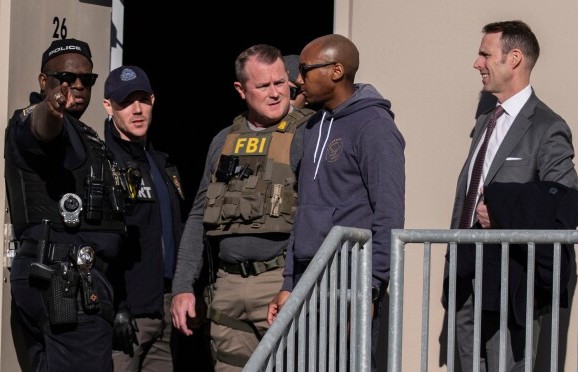
In January, the FBI executed a search warrant at an election facility in Fulton County, Georgia, seizing physical ballots and other materials from the 2020 election. Fulton County, a heavily Democratic area, was a key battleground where then-President Donald Trump disputed the election results. The specific reasons for the FBI’s action have been a subject of intense speculation and legal maneuvering. The FBI’s involvement immediately raised questions about the scope and justification of federal intervention in what is typically a state-administered election process. The FBI has remained tight-lipped, citing the ongoing investigation.
The seizure of ballots is an unusual step, typically reserved for cases where there is substantial evidence of potential fraud or misconduct. The FBI’s decision to take such action suggests that they had reason to believe that a thorough investigation was warranted. This event has fueled further scrutiny of election processes and sparked concerns about potential irregularities.
DOJ Subpoena and Fulton County’s Resistance
Following the FBI raid, the Department of Justice (DOJ) issued a subpoena compelling Fulton County to release extensive personal information about its election workers and volunteers from the 2020 election. This request included names, home addresses, telephone numbers, and email addresses. The DOJ argued that this information was necessary for a comprehensive investigation into potential election-related crimes. However, Fulton County officials vehemently opposed the subpoena, arguing that it was an unwarranted intrusion into the privacy of ordinary citizens and an attempt to intimidate and harass individuals involved in the electoral process.
Fulton County’s refusal to comply with the subpoena has set the stage for a legal showdown, with the county arguing that the DOJ’s request is overly broad, unduly burdensome, and serves no legitimate law enforcement purpose. They assert that providing such sensitive information would expose election workers and volunteers to potential harassment, threats, and even physical harm. The county also argues that the statute of limitations for most election-related offenses has expired, rendering the DOJ’s investigation moot.
Legal Battle Over Unsealing Documents
The legal dispute between the DOJ and Fulton County has extended to the issue of transparency, with media organizations seeking to unseal court documents related to the case. These documents include the DOJ’s subpoena, Fulton County’s motion to quash the subpoena, and other filings that could shed light on the legal arguments and evidence presented by both sides. Media groups argue that the public has a right to access these documents in order to understand the basis for the FBI’s actions and the DOJ’s investigation. They contend that transparency is essential for maintaining public trust in the integrity of the electoral process.
However, Fulton County officials have resisted the unsealing of these documents, arguing that doing so would compromise the privacy of election workers and volunteers and potentially prejudice any ongoing or future investigations. They also assert that the documents contain sensitive information that could be misused by individuals seeking to undermine confidence in the electoral system. The court will now have to weigh the competing interests of transparency and privacy in determining whether to unseal the documents.
Fulton County’s Response: Justification for Unsealing
Fulton County’s legal team has argued that the news organizations’ request to unseal the filings should be granted because the details of the subpoena have already been made public. According to the county, the fact that they disclosed the existence of the subpoena, publicized their motion to quash it, and filed the motion on the public docket effectively waived any grand jury secrecy that might have existed. The county contends that since the information is already in the public domain, there is no longer a legitimate basis for keeping the documents sealed. This argument underscores the importance of balancing the need for grand jury secrecy with the public’s right to access information about matters of significant public interest.
Media Groups’ Argument for Transparency
Attorneys representing the media groups have asserted that the rationale for keeping the documents sealed no longer exists, given Fulton County’s own disclosures. They argue that the county’s decision to publicize the subpoena and its efforts to quash it have effectively nullified any claim of grand jury secrecy. The media groups emphasize the importance of transparency in matters of public concern, particularly when it comes to election integrity. They argue that the public has a right to know the details of the FBI’s investigation, the DOJ’s subpoena, and Fulton County’s response. Unsealing the documents would allow the public and the media to independently assess the merits of the legal arguments and evidence presented by both sides, fostering greater accountability and trust in the electoral process.
Implications for Election Integrity
The FBI’s seizure of ballots and the DOJ’s subpoena have far-reaching implications for election integrity. These actions raise questions about the security and reliability of voting processes, the potential for federal overreach, and the balance between investigating potential wrongdoing and protecting the privacy of election workers and volunteers. The controversy surrounding the Fulton County case underscores the need for clear and consistent standards for election administration, as well as robust oversight mechanisms to ensure that elections are conducted fairly and transparently. The case also highlights the importance of maintaining public confidence in the integrity of the electoral process, which is essential for a healthy democracy.
Additionally, this situation may influence public perception regarding the validity of election outcomes. Depending on the findings of the investigation and how transparently they are communicated, public trust in the electoral system could either be reinforced or further eroded. Therefore, it is crucial for authorities to handle this matter with utmost care and impartiality.
Statute of Limitations Debate
A key point of contention in the Fulton County case is the statute of limitations for election-related crimes. Fulton County officials argue that the statute of limitations for most offenses related to the 2020 election has already expired, rendering the DOJ’s investigation moot. This argument raises questions about the timing and purpose of the DOJ’s subpoena. If the statute of limitations has indeed expired, it would significantly weaken the legal basis for the investigation and raise concerns about whether the DOJ’s actions are politically motivated. However, the DOJ may argue that certain election-related crimes have longer statutes of limitations or that the investigation is focused on potential violations that occurred more recently.
Political Motivations and Allegations
The FBI’s actions and the DOJ’s subpoena have inevitably been viewed through a political lens, with critics alleging that they are motivated by partisan considerations. Some accuse the DOJ of targeting Fulton County, a Democratic stronghold, in an effort to undermine confidence in the 2020 election results and appease political allies. Others argue that the investigation is a legitimate effort to uncover potential election fraud and hold those responsible accountable. These allegations of political motivation underscore the highly charged atmosphere surrounding election-related investigations and the importance of ensuring that such inquiries are conducted impartially and transparently.
It’s essential to consider that any investigation into election processes can be perceived as politically motivated, particularly in a polarized environment. Therefore, it’s the responsibility of investigators to maintain objectivity and adhere strictly to legal and ethical standards.
Comparison of Election Audit Practices
Different states and counties employ various methods for conducting election audits and ensuring the accuracy of vote counts. These practices range from manual recounts to statistical audits to forensic examinations of voting machines and software. The Fulton County case highlights the need for standardized and transparent audit procedures to enhance public confidence in election outcomes. The following table provides a comparison of election audit practices in different jurisdictions:
| Jurisdiction | Audit Method | Transparency Level | Frequency |
|---|---|---|---|
| Georgia (Statewide) | Risk-limiting audits | High | After each election |
| Arizona (Maricopa County) | Hand count audit | Medium | After each election |
| California (Los Angeles County) | Manual tally of 1% of precincts | Medium | After each election |
| Florida (Miami-Dade County) | Machine recount | Low | As required by law |
This comparison illustrates the diversity of approaches to election auditing and the varying levels of transparency associated with each method. The Fulton County case underscores the importance of adopting best practices for election auditing to ensure accuracy, security, and public confidence.
Future of Election Oversight
The controversy surrounding the FBI’s actions in Fulton County raises important questions about the future of election oversight in the United States. There is a growing debate over the appropriate role of the federal government in overseeing state-administered elections, with some advocating for greater federal involvement to ensure uniformity and prevent potential fraud, while others argue for maintaining state control to preserve local autonomy and prevent federal overreach. The Fulton County case is likely to fuel this debate and shape the future of election oversight policies.
Moving forward, there may be a push for clearer guidelines on when and how the federal government can intervene in state elections, as well as for greater transparency and accountability in election-related investigations. The outcome of the Fulton County case could set important precedents for future election disputes and the balance of power between the federal government and the states.
It’s also worth noting the potential impact of technological advancements on election oversight. As voting systems become more sophisticated and cybersecurity threats evolve, election officials will need to adapt their oversight practices to ensure the integrity of the electoral process. This may involve investing in new technologies, training election workers, and collaborating with cybersecurity experts to protect against potential attacks. The rise of AI-driven cyberattacks will further complicate election security efforts.
Furthermore, there is a growing recognition of the importance of voter education and outreach in promoting election integrity. By informing voters about their rights and responsibilities, as well as the safeguards in place to protect the electoral process, election officials can help to build public trust and encourage greater participation in democracy.
Conclusion
The FBI’s seizure of ballots and the DOJ’s subpoena in Fulton County represent a significant chapter in the ongoing debate over election integrity and the scrutiny of voting processes. Fulton County’s resistance to these demands, coupled with the legal battle over unsealing court documents, highlights the complex interplay of legal, political, and ethical considerations at stake. As the case moves forward, it will be crucial for the courts to carefully balance the competing interests of transparency, privacy, and the need for a fair and impartial investigation. The outcome of this case could have far-reaching implications for the future of election oversight and the public’s trust in the integrity of the electoral process. The situation also highlights the rising tension and complexities in the Middle East, as seen in the difficulties in mediating talks and ceasefires. The need for transparency and accountability extends beyond elections to international relations.
In addition, the continued advancements in technology, like those demonstrated by SpaceX, underscore the importance of adapting and innovating in all aspects of governance, including election security. The intersection of technology, law, and politics will continue to shape the landscape of election oversight and the pursuit of election integrity.
The events in Fulton County serve as a reminder of the fragility of democratic institutions and the importance of safeguarding the electoral process against potential abuses. By promoting transparency, accountability, and adherence to legal and ethical standards, we can help to ensure that elections are conducted fairly and that the public’s trust in democracy is maintained. It is important to learn from past experiences such as the halting of grants to ensure future actions are constitutional and just.