US blockade on Iran Can Be Sustained Indefinitely, Hegseth Claims 2026
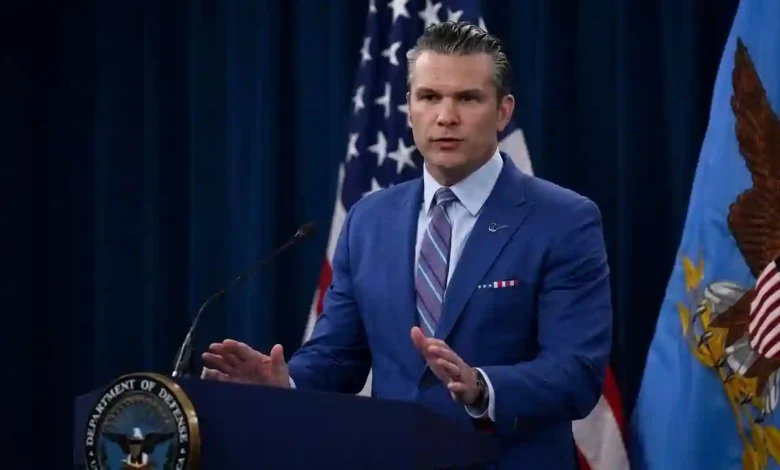
Table of Contents
US blockade on Iran operations can be sustained indefinitely, according to US Secretary of Defense Pete Hegseth, signaling a highly aggressive posture aimed at strangling Tehran’s economic channels. This bold declaration comes at a critical juncture as Middle Eastern shipping lanes experience unprecedented security threats. Simultaneously, US Vice President JD Vance has articulated a clear, market-oriented rationale for the ongoing military campaign, stating that the primary objective of the war is ensuring that the Gulf countries continue to send oil and gas to the world economy so that we have energy price stability. Together, these statements lay bare the dual-pronged American strategy of long-term economic isolation of Iran paired with military guarantees for allied Gulf energy exporters.
Introduction: The Escalating Geopolitical Storm
The geopolitical landscape of the Middle East is undergoing a massive shift as the conflict between the United States, its regional allies, and the Iranian-led Axis of Resistance intensifies. From the narrow chokepoints of the Persian Gulf to the war-torn streets of Gaza City, multiple flashpoints have converged into a singular, interconnected theater of war. The maritime aspect of this confrontation has emerged as the primary gravity point for global markets. The United States has transitioned from a defensive naval presence to an active, offensive embargo, aiming to completely halt Iranian commerce while securing the energy corridors that fuel Western economies.
As these strategic maneuvers unfold, civilian and paramilitary actors on all sides are bearing the brunt of the escalation. In Yemen, the Houthi movement continues to challenge Western naval dominance by targeting key shipping lanes, while in the Strait of Hormuz, commercial tankers are increasingly caught in the crossfire of covert and overt attacks. Meanwhile, the localized conflict in Gaza continues to claim the lives of administrative and security figures, further complicating any prospects for long-term regional stability.
Pete Hegseth on the Indefinite US Maritime Blockade
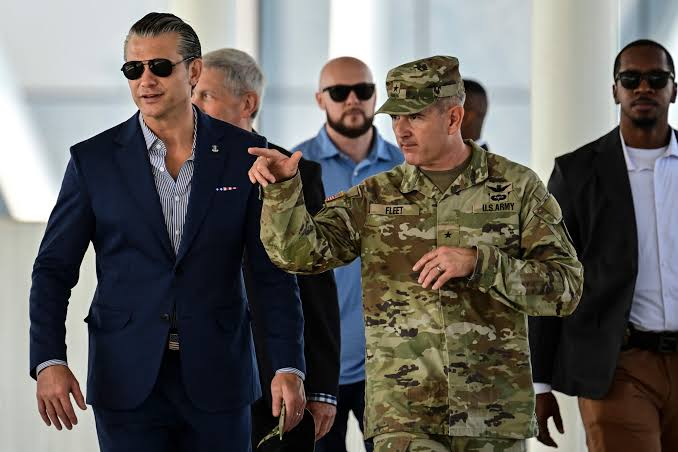
Pete Hegseth’s comments highlight the logistical capability and political willingness of the US military to maintain a persistent naval blockade. Under the current administration’s military posturing and strategy, the United States has deployed advanced carrier strike groups and amphibious readiness groups to the Persian Gulf and adjacent waters. This deployment follows a series of defensive strikes against Iran and its proxy networks, which have sought to disrupt international maritime traffic. Hegseth emphasized that the United States possesses the logistical depth, rotating naval fleets, and regional bases necessary to enforce the blockade for as long as required to achieve total diplomatic and economic concessions from Tehran.
Military analysts suggest that an indefinite blockade is designed to systematically deplete Iran’s foreign exchange reserves by halting its maritime commercial activities entirely. The strategy to dominate critical waterways relies on a permanent Strait of Hormuz US presence to inspect and intercept cargo, preventing illicit transfers and weapons smuggling. Hegseth’s confidence stems from the extensive network of military installations the US maintains in the region, including the Fifth Fleet headquarters in Bahrain, which provides unparalleled command and control capabilities over the regional waters.
JD Vance and the Energy Security Imperative
While Hegseth focuses on the tactical and operational endurance of the blockade, Vice President JD Vance has shifted the narrative toward global economic security. Vance’s remarks reflect a growing concern within Washington that prolonged regional instability could trigger a massive energy shock. Diplomats have previously attempted to negotiate a Strait of Hormuz deal to lower tensions, but the collapse of those talks has forced the US to adopt a heavy-handed security umbrella. Vance argued that the global economic order is fundamentally dependent on the uninterrupted flow of fossil fuels from the Arabian Peninsula.
By framing the military intervention as a safeguarding mission for international trade, the administration hopes to shore up domestic political support. Critics, however, argue that this approach prioritizes corporate and market stability over the humanitarian costs of a prolonged military siege. Nonetheless, Vance’s alignment of military goals with global energy security underscores the high stakes of the current naval campaign.
Global Oil and Gas Price Stability
The stabilization of global energy prices remains the cornerstone of modern Western foreign policy. Vance explained that cutting off Iranian energy exports remains a secondary effect of ensuring regional supply lines. The core priority is protecting the massive daily volumes of crude oil and liquefied natural gas (LNG) flowing from nations like Saudi Arabia, the UAE, and Qatar. To achieve this, the US must reassure international markets that shipping through these volatile regions remains viable. A spike in oil prices would immediately translate to inflation across major Western economies, a scenario the administration is desperate to avoid. Therefore, the naval strategy is not merely a military confrontation but a calculated economic shield designed to reassure global markets and maintain the flow of capital. This economic rationale has redefined the entire Iran-US conflict, turning maritime security into a matter of domestic economic survival for Western nations.
Houthi Missile Strikes in the Bab al-Mandeb Strait
The fragility of these energy corridors was underscored by fresh hostilities in the Red Sea. Yemen’s Houthi rebels targeted the Bab al-Mandeb Strait area in the western part of the country with two missiles, as reported by the Houthi-affiliated Saba TV channel. This strategic waterway, which connects the Red Sea to the Gulf of Aden, is a vital conduit for European-bound oil and consumer goods. Despite repeated US and coalition airstrikes targeting Houthi launch sites, the rebel group retains significant asymmetric strike capabilities, demonstrating its ability to threaten global shipping at will.
The Bab al-Mandeb Strait is a primary bottleneck where commercial tankers are highly vulnerable to coastal defense missiles and drone attacks. The Houthis have repeatedly stated that their actions are in solidarity with the Palestinian people in Gaza and are aimed at forcing a cessation of hostilities. However, the international community views these attacks as a direct violation of freedom of navigation. Furthermore, intelligence reports outline a potential Iran retaliation plan designed to leverage symmetrical and asymmetrical naval tactics, coordinating actions between Iranian state forces and their regional allies to strain Western naval resources.
Tanker Attacks in the Strait of Hormuz and UAE Response
Simultaneously, tensions flared further east. The UAE state news agency, WAM, reported that two of its vessels were attacked in the highly sensitive Strait of Hormuz. Fortunately, no injuries were reported, but the incident has sent shockwaves through the maritime insurance and shipping industries. The UAE government issued a strongly-worded statement calling on Iran to halt these unprovoked attacks. While the exact nature of the weaponry used in the attacks remains under investigation, the location of the incident points directly to the persistent vulnerability of commercial shipping in the immediate vicinity of Iranian territory.
The UAE has historically maintained a delicate diplomatic balance, attempting to de-escalate tensions with Tehran while relying heavily on Western security guarantees. This latest attack, however, may force Abu Dhabi to align more closely with the US-led maritime coalition. The escalation highlights that no regional state, regardless of its diplomatic posture, is entirely safe from the widening fallout of the maritime blockade.
Analysis of Maritime Chokepoints
The simultaneous incidents in both the Strait of Hormuz and the Bab al-Mandeb Strait demonstrate a coordinated pressure campaign on global logistics. According to reports by the Organization of the Petroleum Exporting Countries (OPEC), these two straits are responsible for facilitating the transit of nearly a third of all seaborne petroleum. If both chokepoints are closed or rendered highly unsafe, shipping companies will be forced to reroute vessels around the southern tip of Africa, vastly increasing transit times, fuel consumption, and insurance premiums. As the daily economic consequences of the war escalate, global markets are bracing for prolonged volatility and rising operational costs for shipping companies.
Gaza Frontline: Drone Strike Kills Police Chief Jamal Abu Kamil
While the maritime theater threatens global trade, the land conflict remains devastating. Gaza’s Ministry of Interior confirmed the killing of Colonel Jamal Abu Kamil, head of the Gaza City police force. An Israeli drone fired three missiles at his vehicle in western Gaza City, resulting in his immediate death. The strike highlights the precision targeting campaign executed by the Israeli military, which continues to decimate both the armed wings and civilian administrative bodies in the Gaza Strip.
The loss of Abu Kamil is expected to severely impact the remaining civil administration in Gaza City. The local police force has been struggling to maintain basic law and order, prevent looting, and secure aid convoys amidst the ongoing destruction. The systematic targeting of administrative personnel has left a governance vacuum, leading to increased chaos in the urban areas.
Conflicting Narratives Over Abu Kamil’s Role
Following the strike, the Israeli military released a statement claiming that Colonel Abu Kamil was a high-ranking commander within Hamas’s military apparatus and had played an active role in planning the October 7 attacks. The Israeli defense establishment has consistently maintained that the civil police force in Gaza operates as an extension of Hamas’s security infrastructure, making its members legitimate military targets.
Conversely, the Gaza City police force vehemently rejected these claims, stating that Abu Kamil was a civil servant dedicated to maintaining public order and security for civilians amidst the catastrophic humanitarian crisis. International human rights organizations have frequently warned against the targeting of civil police officers, arguing that unless they are actively participating in hostilities, they must be treated as civilians under international humanitarian law. The dispute highlights the deep divide in narratives and the tragic complexity of defining combatants in an asymmetric urban war.
Summary of Escalating Incidents and Strategic Objectives
To understand the full scope of the regional crisis, it is helpful to look at the key events and the strategic goals of the primary actors involved. The table below details the recent incidents and their geopolitical significance.
| Location / Asset | Event / Action | Key Actors Involved | Strategic Implications |
|---|---|---|---|
| Persian Gulf / Strait of Hormuz | US Maritime Blockade Enforced Indefinitely | US SecDef Pete Hegseth, VP JD Vance, Iran | Aiming for economic strangulation of Iran and absolute energy price stability. |
| Bab al-Mandeb Strait | Two-missile strike targeting maritime shipping | Yemeni Houthi Rebels, Saba TV | Demonstrates persistent asymmetric threat to European-bound oil & trade. |
| Strait of Hormuz | Attacks on two UAE vessels | UAE, Iran, Commercial Shipping | Escalates regional maritime risk, driving up insurance premiums and testing UAE-Iran diplomacy. |
| Western Gaza City | Targeted drone strike kills Police Chief | Colonel Jamal Abu Kamil, Israeli IDF | Severely disrupts civilian administration and order in Gaza City; contested combatant status. |
Regional Implications and Global Security Escalation
The convergence of these events suggests that the Middle East is on the brink of an all-out regional war. The uncompromising stance of the United States, as articulated by Hegseth and Vance, indicates that Washington is prepared to sustain high-intensity operations indefinitely to maintain its geopolitical hegemony. However, this strategy risks pushing Iran and its allies into a corner, potentially forcing them to employ more drastic measures to break the blockade.
The international community remains deeply divided on the path forward. While Western nations largely support maritime security initiatives, emerging global powers have called for immediate diplomatic interventions. The risk of a miscalculation on the high seas remains extremely high, and any major escalation could drag additional international actors into the conflict, turning a regional standoff into a global crisis with severe economic and humanitarian consequences.


One Comment