6 Powerful Revelations in Iran-U.S. Peace and Parade Agreement Between U.S. and Iran
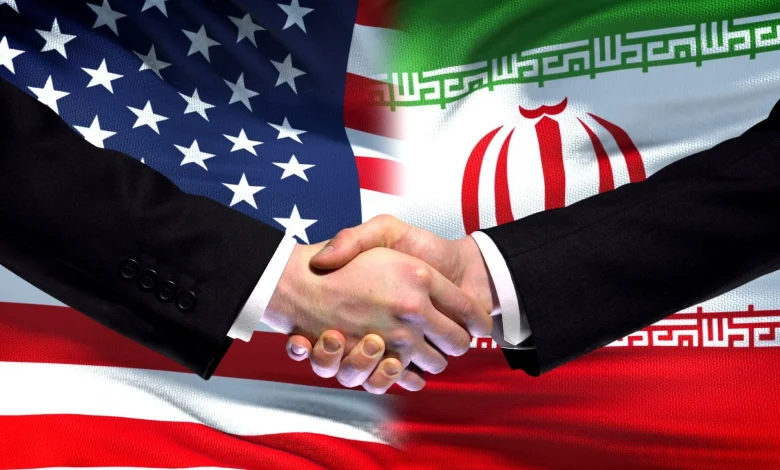
Table of Contents
Iran-U.S. memorandum of understanding has officially been signed, marking a dramatic, high-stakes pivot in Middle Eastern diplomacy after a grueling 110-day kinetic conflict. As details of the Islamabad Memorandum of Understanding (MoU) continue to emerge, global attention has shifted from the public handshakes of state leaders to the complex logistics of implementation. While Washington and Tehran have agreed to a fragile ceasefire framework, the success of this agreement hinges almost entirely on a network of unnamed regional partners who are quietly working behind the scenes to ensure its core tenets are carried out. Meanwhile, in stark contrast to the heavy atmosphere of international crisis management, the streets of Lower Manhattan erupted in pure, unadulterated joy as New York celebrated a historic sports triumph. This edition of the Inside Scoop dissects the geopolitical machinery driving the peace deal, the quiet players keeping it alive, and the electric ticker-tape parade that brought a major American city to a standstill.
Decoding the Islamabad MoU: Key Terms and Ceasefire Provisions
The Islamabad Memorandum of Understanding represents a historic, albeit highly precarious, attempt to de-escalate a conflict that has devastated the global macroeconomic environment and cost thousands of lives. Formally signed on June 18, 2026, the 14-point framework acts as a bilateral roadmap designed to transition the region from active military operations to structured, transactional diplomacy. At its core, the MoU mandates an immediate and permanent termination of military operations “on all fronts,” explicitly including the highly volatile Lebanese theater. For the United States, the primary objective is stabilizing global trade and securing a temporary freeze on Iran’s highly enriched uranium (HEU) activities. For Tehran, the deal offers a vital economic lifeline, proposing the lifting of the aggressive U.S. naval blockade, potential waivers for oil exports, and conditional access to long-frozen sovereign assets. Both nations have committed to a strict 60-day window to negotiate a permanent, comprehensive treaty—a timeline that experts warn is incredibly tight given the decades of built-up animosity and complex regional alliances.
The Unnamed Partners: Who is Carrying Out the Agreement?
While the official text of the treaty highlights the direct commitments of the U.S. and Iran, the structural integrity of the agreement relies on a coalition of crucial, yet frequently unnamed, third-party partners. Chief among these is Pakistan, which served as the primary broker for the secret talks and the namesake of the Islamabad MoU. Alongside Pakistan, countries like Qatar, Saudi Arabia, Turkey, and Egypt have played indispensable roles in keeping both sides at the negotiating table. Qatar, long a financial and diplomatic intermediary, has been instrumental in facilitating the complex mechanics of asset transfers and establishing backchannel communications. Meanwhile, Turkey and Saudi Arabia are expected to play a critical monitoring role along the region’s borders, ensuring that proxy forces comply with the terms of the ceasefire. Without the active, daily involvement of these regional actors, neither Washington nor Tehran possesses the baseline trust required to verify compliance, making these unnamed partners the literal glue holding the peace process together.
The Strait of Hormuz: Reopening Challenges and Maritime Security
Perhaps the most immediate and tangible hurdle of the MoU is the reopening of the strategic Strait of Hormuz. During the height of the conflict, the maritime chokepoint was effectively shut down, triggering an unprecedented Hormuz oil surge that saw energy prices skyrocket as thousands of cargo ships and tankers were left stranded in the Gulf. Under the terms of the Islamabad MoU, Iran must ensure the safe passage of commercial vessels through the strait. However, the physical reality on the water is highly treacherous. Maritime authorities estimate that at least 80 naval mines currently litter the primary shipping lanes of the strait, creating an active danger zone that prevents immediate commercial resumption. Clearing these mines will require intensive, weeks-long international coordination. While the Iranian regime continues to insist on defending its sovereign control over the Strait, it must cooperate with regional neighbors like Oman to neutralize the explosive threats and allow global supply chains to normalize.
Obstacles and Delays: Why the Switzerland Talks Were Postponed
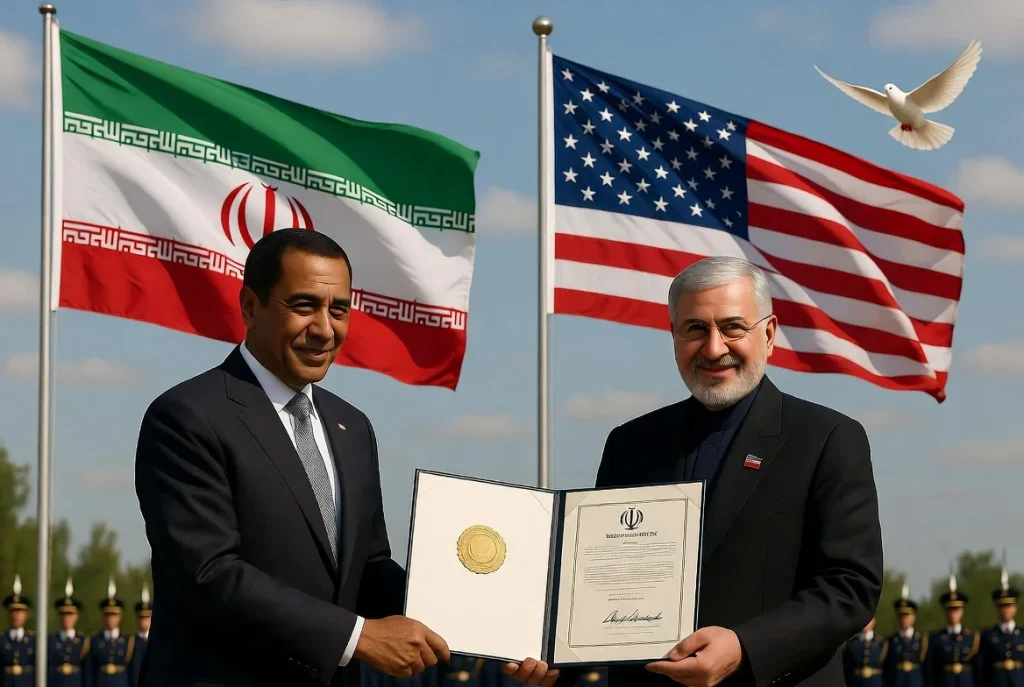
The fragility of the peace process was laid bare on June 19, 2026, when the first round of technical talks scheduled to take place at the Alpine resort of Bürgenstock, Switzerland, was abruptly postponed. The cancellation came hours after the White House confirmed that U.S. Vice President JD Vance had called off his departure for Europe. According to diplomatic sources, the postponement was driven by intense Iranian objections to ongoing Israeli military operations in southern Lebanon. While the MoU calls for a ceasefire on all fronts, Israel—which was not a direct party to the negotiations—has maintained its right to target Hezbollah elements in a designated buffer zone, a move Tehran views as a direct violation of the spirit of the deal. Furthermore, U.S. negotiators remain cautious, especially after the military briefed the administration on unprecedented strike options against Iran prior to the signing. Coupled with deep internal cracks in Iranian leadership under the newly established rule of Supreme Leader Mojtaba Khamenei, the path to a formalized, lasting treaty remains fraught with political minefields.
The Technical Challenges of Demilitarization and Nuclear Monitoring
The logistical parameters of the MoU are incredibly complex, particularly regarding Iran’s nuclear stockpile. The U.S. has demanded that Iran down-blend its highly enriched uranium directly on domestic soil under the strict supervision of the International Atomic Energy Agency (IAEA). Managing this process requires highly specialized technical teams and flawless compliance, both of which are difficult to guarantee in the current geopolitical climate. Key European allies, such as France, have already stated they will not support the lifting of United Nations Security Council sanctions unless they are completely satisfied with the verification protocols, as reported by The Guardian. This introduces another layer of friction, as Iran expects immediate economic relief in exchange for its nuclear concessions.
The Regional Geopolitical Fallout: Lebanon and Israel
The insistence on a comprehensive ceasefire in Lebanon has created a diplomatic paradox. While Tehran has undertaken to rein in its proxy, Hezbollah, the reality on the ground is highly fragmented. Israel’s military stance remains independent of the U.S.-Iran bilateral framework. If cross-border skirmishes persist, the domestic political pressure on both President Trump and President Pezeshkian to abandon the Islamabad MoU will intensify. This dynamic highlights the severe limitations of a bilateral agreement attempting to solve a multi-lateral regional conflict without all combatants at the table.
Comparative Analysis of the Islamabad MoU Key Elements
To better understand the scale and challenges of the newly signed agreement, the table below provides a detailed breakdown of the primary clauses, the parties responsible for execution, and the anticipated implementation challenges.
| Clause / Provision | Primary Objectives | Implementing Parties | Key Challenges & Risks |
|---|---|---|---|
| Ceasefire on All Fronts | Immediate end to hostilities in Iran, Iraq, and Lebanon. | U.S., Iran, regional allies. | Non-state actors (Hezbollah) and non-signatories (Israel) violating terms. |
| Hormuz Reopening | Clear naval mines and restore safe passage for commercial shipping. | Iran, Oman, regional partners. | Dangerous clearing of ~80 active naval mines. |
| U.S. Blockade Removal | Lift U.S. naval restrictions and allow proportional trade traffic. | United States Navy. | Verification of cargo contents; domestic political pushback in Washington. |
| Nuclear Down-Blending | Dilute highly enriched uranium stockpiles on Iranian soil. | Iran, IAEA inspectors. | Verification hurdles, IAEA access limits, and lack of trust. |
| Economic Rehabilitation | Provide financial channels for post-war reconstruction. | U.S., regional partners, private sector. | Disagreement over funding sources and access to frozen assets. |
A Lighter Note: The Knicks Take Over Lower Manhattan
Shifting gears from the tense, bureaucratic backrooms of international diplomacy, the mood in New York City today was nothing short of euphoric. Lower Manhattan was transformed into a massive, swirling canyon of orange and blue ticker-tape as the city hosted a historic parade for the New York Knicks. It was a moment decades in the making, and the city’s sports-obsessed populace did not disappoint, filling the famous Canyon of Heroes with a level of energy that could be felt blocks away. Even the most hardened New Yorkers were seen cheering, shedding their typical stoicism to celebrate what many are calling the greatest team ever assembled.
To capture the sheer scale of the celebration, I texted with New York-based NBC News correspondent Sam Brock, who spent the day embedded in the sea of fans along Broadway. Brock described the scene as an absolute sensory overload. “I’ve covered political conventions, major storms, and historic protests,” Brock texted, “but I have never seen a crowd this dense or this overwhelmingly happy. The sound of thousands of people screaming in unison was deafening.” He spoke with generational fans—grandparents who attended the 1973 parade alongside grandchildren wearing brand-new jerseys—underscoring how deeply rooted the franchise is in the cultural fabric of the city. One fan Brock interviewed, who had camped out since 4:00 AM near Battery Park, put it simply: “I’ve waited fifty years for this. The diplomacy in Washington is important, sure, but today, this parade is the center of the universe.” Brock noted that the parade was a rare, unifying moment of pure joy, offering a brief, much-needed escape from the heavy geopolitical realities dominating the news cycle.
Conclusion: A Fragile Balance of Peace and Celebration
The events of today highlight the dual realities of the modern world, balancing the delicate, high-stakes game of global conflict resolution with the shared, localized moments of human celebration. As the Islamabad Memorandum of Understanding enters its critical 60-day implementation window, the role of unnamed regional partners will remain vital in preventing a return to active warfare. Demilitarizing shipping lanes and verifying nuclear concessions will require immense political will and flawless execution. Yet, as New Yorkers proved today, amidst the gravity of international crises, there is always room to pause, throw some ticker-tape into the air, and celebrate a hard-fought victory. Whether in the diplomatic arenas of Switzerland or the crowded streets of Lower Manhattan, the pursuit of victory—and peace—remains the driving force of the day.