Iran Support for Houthis Probed as Yemen War Re-Erupts 2026

Table of Contents
Iran support for Houthis has returned to the absolute forefront of international security evaluations as a ferocious cycle of coordinated ballistic missile barrages, suicide drone swarms, and coastal skirmishes shatter long-standing diplomatic detentes across the Arabian Peninsula. Western intelligence agencies, regional monitoring groups, and international maritime security panels have launched coordinated probes into the smuggling networks enabling these sophisticated offensives. As high-value civilian infrastructure and defensive perimeters in southwestern Saudi urban centers come under intense fire, evidence mounting from recovered serial numbers, telemetry units, and unexploded guidance components indicates a significant acceleration of external technical aid.
The sudden reactivation of high-intensity hostilities in Yemen has caught regional observers off guard, undermining months of delicate multilateral confidence-building measures. As Houthi fighters advance along disputed interior fronts and simultaneously launch deep-strike munitions, the strategic parity between asymmetric militia maneuvers and sovereign defense postures has widened dramatically. The resulting political and military instability threatens critical civilian hubs, industrial facilities, and regional transport infrastructure.
Escalation in Yemen and Cross-Border Offensive
The latest resurgence of conflict marks an aggressive unraveling of previously negotiated truces that had provided a fragile respite to the Yemeni population. Ground skirmishes have erupted along the Marib and Al-Jawf axes, spilling westward toward the strategic coastal zones. International observers warn that the sudden logistical stamina demonstrated by Ansar Allah forces reflects a well-orchestrated supply strategy that extends far beyond domestic manufacturing capacities.
Rather than relying solely on light vehicle assaults and rudimentary artillery, front-line militia detachments are utilizing thermal-guided anti-tank systems, advanced loitering munitions, and mobile air-defense assets. Despite prior backchannel dialogue where Oman diplomatic channels sought to preserve functional lines of communication, the rapid escalation on the ground illustrates a determined pivot toward kinetic coercion designed to pressure neighboring capitals.
Investigating Iranian Weapons Pipelines and Logistical Channels
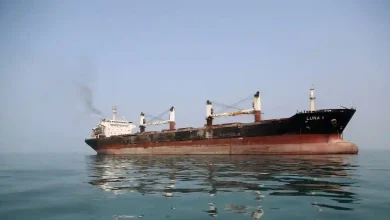
International forensic investigators are centering their inquiries on the Islamic Revolutionary Guard Corps (IRGC) Quds Force, examining how advanced military components slip through maritime cordons into Yemeni ports. Maritime interception teams deployed across the Arabian Sea and the Gulf of Oman have documented small dhow vessels transporting clandestine shipments of missile guidance systems, propellant precursors, and satellite communication transceivers hidden beneath commercial cargo.
The sophistication of these supply lines mirrors historical smuggling methodologies, but the velocity and payload capacity of recently intercepted transfers reflect enhanced operational risks. Naval inspectors operating under multinational task forces report that unflagged transport vessels often transfer supplies in international waters before approaching smaller Yemeni fishing harbors. These logistical feats complement Houthis strategic maneuvers along the Red Sea littoral, ensuring that frontline units maintain an uninterrupted flow of heavy munitions.
Cross-Border Strikes Target Strategic Saudi Urban Centers
The physical manifestation of this supply network has been acutely felt inside the Kingdom of Saudi Arabia. Strategic locations including Jazan, Khamis Mushait, Abha, and peripheral sectors near Najran have reported repeated alarms as Patriot air-defense batteries and interceptor missiles engage incoming aerial targets. While local defense forces have neutralized the vast majority of threats, falling shrapnel and near-miss explosions near energy storage grids and regional airports have triggered immediate security re-evaluations.
These aggressive salvos appear timed to demonstrate offensive reach and retaliate against economic isolation measures. In recent months, public statements and regional warnings to Riyadh highlighted growing friction regarding energy extraction boundaries and banking clearance mechanisms. The kinetic execution of these strikes demonstrates that asymmetric regional factions possess the operational bandwidth to interrupt commercial continuity hundreds of miles from the frontline.
Ballistic and Drone Technology Transfer Under Scrutiny
Technical analysis of downed missiles reveals an evolutionary leap in aerodynamic stabilization, guidance control, and terminal maneuverability. The debris from Quds-class cruise missiles and Sammad-series unmanned aerial vehicles recovered from strike sites features specialized radar-absorbent coatings, printed circuit boards sourced from international commercial markets, and dual-stage thrusters virtually identical to hardware showcased during Iranian military parades.
Aviation experts emphasize that local manufacturing centers in northern Yemen lack the industrial microelectronics capabilities, chemical synthesis facilities, and aerodynamic testing infrastructure necessary to engineer these weapons domestically. The deployment of precision-strike assets correlates with systemic, coordinated technical assistance programs, including remote programming support and telemetry calculation transmitted from external operations rooms.
Tactical and Strategic Impact Matrix
The table below provides a detailed structural assessment comparing historical militia capacities with recently deployed strike architectures currently investigated by regional security commissions.
| Weapon System Category | Observed Hardware Model | Operational Range | Identified Components / Provenance | Strategic Objective |
|---|---|---|---|---|
| Cruise Missiles | Quds-3 / Quds-4 Variants | 1,200 – 1,600 km | Micro-turbojet engines; foreign-sourced gyroscopes | Long-range attacks on infrastructure and logistics hubs |
| Loitering Munitions | Sammad-3 / Shahed derivatives | 1,000 – 1,500 km | Two-stroke engines; commercial satellite receivers | Swarming air defenses; disruption of civilian airports |
| Anti-Ship Missiles | Al-Mandab / Sayyad series | 300 – 500 km | Electro-optical and radar-homing seekers | Maritime interdiction and commercial navigation denial |
| Ballistic Missiles | Burkan-3 / Toufan systems | 800 – 1,200 km | Liquid propellant stages; warhead separation control | Direct strikes on fortified bases and municipal zones |
Diplomatic Fallout and Multilateral Coalition Measures
The geopolitical reverberations of the renewed strikes have ignited emergency consultations across regional security organizations and the United Nations Security Council. Gulf Cooperation Council (GCC) ambassadors have called for stringent sanctions and targeted enforcement mechanisms to penalize the entities coordinating maritime weapons transfers. The diplomatic rift highlights how quickly regional détente initiatives can disintegrate when proxy forces activate stockpiled weaponry.
Meanwhile, the economic disruption caused by cross-border military pressure has prompted security officials to reconsider defensive postures. In response, coalition forces have increased surveillance patrols along maritime corridors, requesting expanded radar sharing, electronic countermeasure assistance, and interceptor stockpiles from allied Western powers to maintain shield reliability over high-density commercial centers.
Impact on Maritime Security and Trade Routes
Beyond municipal targets inside Saudi Arabia, the escalation presents severe threats to international commerce traversing the Bab el-Mandeb strait and adjacent maritime waterways. Unmanned surface vessels laden with high explosives, coupled with shore-launched anti-ship cruise missiles, have forced commercial carriers to recalculate operational costs, maritime insurance premiums, and transit routing.
The compounding threat to international shipping lanes echoes the wider Red Sea maritime security crisis, illustrating how coastal proxy operations can effectively levy a prohibitive tax on international navigation. Heightened vigilance remains essential to avoid catastrophic environmental damage or the disabling of vital container and oil transport networks.
Long-Term Implications for Gulf Security Architecture
The renewed warfare in Yemen and the ongoing probes into weapons pipelines underscore that the structural dynamics fueling regional confrontation remain unresolved. While diplomatic declarations previously suggested that regional actors were prepared to decouple from asymmetric interventions, reality on the ground indicates that proxy mechanisms remain an indispensable pillar of strategic leverage.
As international investigators prepare to present their findings to international oversight bodies, security experts emphasize that countering this threat requires addressing supply logistics rather than merely reacting to finished strikes. Enforcing strict naval blockade and interdiction operations across active maritime routes will serve as a foundational test for international law enforcement. Without a unified, comprehensive framework capable of interrupting these logistical channels, the fragile stability of the Arabian Peninsula will remain perpetually vulnerable within this broader broader Middle East conflict.