Washington Outlines Iran Conflict Strategy and Indefinite Blockade Plans 2026
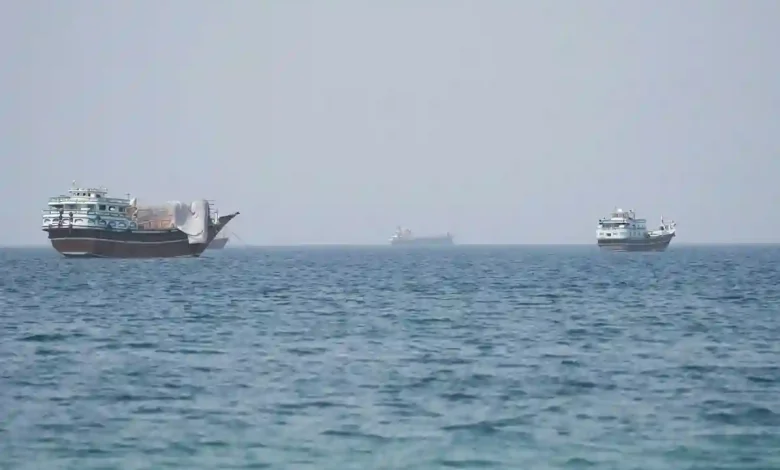
Table of Contents
Washington has officially reframed its strategic priorities in the ongoing military confrontation with Iran, signaling a pragmatic pivot toward domestic economic stability. In a series of high-level statements, the administration of President Donald Trump has outlined a dual-track strategy designed to protect American consumers from skyrocketing fuel costs while maintaining intensive maritime and economic pressure on Tehran. Amid stalling diplomatic progress and escalating tensions in key global waterways, Vice President JD Vance and Defense Secretary Pete Hegseth have clarified the parameters of what is fast becoming a prolonged war of attrition.
By shifting the primary focus of the conflict from the immediate neutralisation of Iran’s nuclear infrastructure to the stabilization of global energy markets, the administration has acknowledged the profound impact of the war on the domestic front. The move comes as public dissatisfaction with rising fuel prices threatens political fortunes at home, forcing a recalibration of strategic goals. Meanwhile, the Pentagon remains confident in its ability to enforce a tight naval containment web around Iranian ports, defying skepticism regarding military endurance and supply lines.
Strategic Recalibration of the Iran Conflict
The geopolitical landscape of the Middle East has shifted dramatically since hostilities commenced in early 2026. What was initially framed as a swift, decisive campaign to dismantle Iran’s nuclear capabilities has developed into a complex maritime standoff. This evolution has forced the United States and its allies to navigate the critical maritime bottleneck in the Strait of Hormuz, a chokepoint through which a significant portion of the world’s oil supply flows. The resulting disruptions have sent shockwaves through global markets, illustrating the powerful leverage Tehran continues to wield despite facing overwhelming military opposition.
As the conflict enters its middle stages, the domestic political landscape in the United States is exerting immense pressure on the administration. With crucial midterm elections approaching, the economic consequences of sustained high fuel prices have become a primary vulnerability for the governing party. Consequently, the rhetoric emanating from the White House has transitioned from idealistic declarations of regime change or complete military capitulation to a more calculating, defensive posture focused on market stabilization and containment.
Vance Outlines Key Objectives
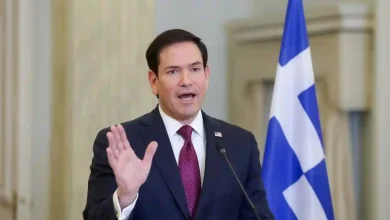
During an appearance on Fox News, Vice President JD Vance laid out the administration’s revised hierarchical goals for the conflict, placing immediate economic relief for American consumers at the very top of the agenda. The Vice President, who has historically been among the more cautious voices within the administration regarding foreign military interventions, made it clear that the primary objective of the current phase of operations is to ensure that the global energy supply remains uncompromised.
Vance’s remarks highlighted a stark contrast with the administration’s initial messaging, which had prioritized the elimination of the Iranian nuclear threat above all else. By restructuring these priorities, the administration is seeking to build a more sustainable long-term strategy that can withstand domestic political criticism while continuing to squeeze the Iranian regime. Vance emphasized that the administration possesses a diverse array of diplomatic, economic, and military tools to achieve these goals simultaneously, though he acknowledged the inherent unpredictability of the adversary.
Goal Number One: Keeping Energy Prices Stable for Americans
According to Vice President Vance, the absolute priority for the United States in the current confrontation is to “keep oil and gas cheap for Americans all over our country.” The closure of critical shipping lanes by Iran has historically resulted in immediate price spikes at the pump, directly impacting the daily lives of millions of Americans. By declaring energy price stability as “goal number one,” the administration is directly addressing the kitchen-table economic concerns of the electorate.
This focus on energy economics has led to a more cautious military approach, characterized by a reluctance to launch large-scale land offensives or high-risk airstrikes that could further destabilize regional oil infrastructure. Instead, the focus has shifted to maintaining maritime security and ensuring that oil-exporting nations in the Gulf can continue to ship their products safely to global markets, thereby offsetting the shortfall caused by the disruption of Iranian exports.
Goal Number Two: Preventing a Nuclear Iran
The second major objective outlined by the Vice President remains the prevention of Iran from acquiring a nuclear weapon. While this goal has temporarily taken a back seat to the immediate demand for domestic economic relief, it remains a cornerstone of U.S. national security policy. The administration maintains that a nuclear-armed Tehran would fundamentally alter the balance of power in the Middle East, posing an existential threat to regional allies such as Israel and triggering a dangerous regional arms race.
The U.S. strategy to prevent nuclear proliferation relies on a combination of intensive economic sanctions, maritime blockades, and the threat of targeted military strikes against known enrichment facilities. However, the decision to prioritize energy prices suggests that the administration is wary of taking actions that could lead to a total breakdown of regional stability, opting instead for a policy of sustained containment and pressure that aims to force Iran back to the negotiating table on favorable terms.
The Defense Department’s Indefinite Blockade Strategy
Complementing the economic focus of the Vice President, U.S. Secretary of Defense Pete Hegseth has project military confidence regarding the U.S. Navy’s operational capabilities in the region. Speaking to reporters during a visit to Panama, Hegseth asserted that the United States possesses the naval resources and logistical infrastructure required to maintain a maritime blockade against Iranian ports “indefinitely.” This bold statement is intended to signal to Tehran that Washington is prepared for a prolonged confrontation and will not back down due to operational fatigue.
The blockade, which aims to completely cut off Iran’s oil exports and starve the regime of vital foreign currency, is a key component of the administration’s maximum pressure campaign. By denying Iran access to international shipping lanes, the U.S. hopes to severely degrade its economic capacity to fund proxy groups or advance its nuclear program. Hegseth’s comments indicate that the Pentagon is fully aligned with the White House’s strategy of using prolonged pressure to wear down the adversary.
Rotating Navy Assets in the Gulf Region
To sustain such an extensive maritime operation without exhausting its forces, the United States Navy relies on its unmatched global logistical capability. Defense Secretary Hegseth explained that the U.S. can maintain the blockade by systematically rotating aircraft carriers, destroyers, and support ships in and out of the region. This rotation strategy ensures that crews receive necessary downtime and vessels undergo regular maintenance, keeping the overall blockade force at peak operational readiness.
Despite Hegseth’s assurances, some military analysts have raised concerns about the long-term strain this deployment could place on the U.S. fleet, especially amid concerns over dwindling munitions and depleted missile stockpiles. The high operational tempo required to enforce a comprehensive blockade, coupled with the need to protect commercial vessels from asymmetric attacks, has stretched naval resources. However, the Pentagon insists that its logistical superiority is sufficient to overcome these challenges, presenting what Hegseth described as a “wall of steel” that no other nation can match.
Iran’s Military Refusal and the Strait of Hormuz Standoff
The effectiveness of the U.S. naval strategy is hotly contested by Tehran, which has rejected claims of American dominance in the region. Iranian military commanders have characterized Washington’s assertions of “total control” over local waters as baseless fabrications, insisting that the security of the region is the sole responsibility of regional states. This defiance is backed by Iran’s own asymmetric naval capabilities, including anti-ship missiles, fast-attack boats, and sea mines, which continue to pose a significant threat to both military and commercial vessels.
The standoff has turned the region into a highly volatile theater of war, where any miscalculation could trigger a major escalation. The ongoing blockade in the Strait of Hormuz has already resulted in sporadic clashes and attacks on commercial tankers, highlighting the difficulties of enforcing a blockade in restricted waters. Iran’s ability to disrupt shipping, even under intense pressure, remains its most effective counterweight to American military superiority.
Economic Isolation as a Primary Tool of Statecraft
As the military standoff continues, the Trump administration is preparing to significantly escalate its economic warfare against Iran. Treasury Secretary Scott Bessent recently announced that the United States is planning to implement unprecedented financial measures designed to achieve the absolute economic isolation of the Islamic Republic. These upcoming sanctions, described as the most severe in history, aim to target any remaining loopholes in the global financial system that allow Iran to conduct trade.
The decision to double down on economic isolation reflects a strategic choice to avoid a highly destructive, direct kinetic conflict that would inevitably destabilize global energy markets. By utilizing the global financial dominance of the United States, the administration hopes to extract maximum concessions from Tehran while minimizing the direct risk to U.S. military personnel and resources. However, the effectiveness of this strategy depends heavily on international cooperation, which has become increasingly difficult to secure as other global powers grow weary of the prolonged conflict.
The Rising Leverage of the Strait of Hormuz
The core of the current conflict remains the control and security of global trade routes. The shutdown of the Strait of Hormuz by Iran in retaliation for U.S. actions has given Tehran significant strategic leverage. Because the global economy is highly dependent on the uninterrupted flow of oil from the Gulf, any prolonged closure of this waterway has direct and severe consequences for nations far beyond the immediate region. This economic dependency has made the strait the central focus of both military operations and diplomatic maneuvering.
The U.S. and its partners have attempted to mitigate this leverage by establishing alternative shipping routes and increasing domestic oil production, but these measures have only partially offset the impact of the blockade. The persistent vulnerability of global markets to developments in the strait underscores the limits of military power alone in resolving complex geopolitical conflicts. Consequently, the battle for control of this strategic waterway remains the primary driver of both U.S. policy and Iranian resistance.
| Strategic Actor | Primary Objectives | Core Capabilities & Tactics | Major Challenges & Risks |
|---|---|---|---|
| United States | 1. Stable domestic energy prices 2. Prevent nuclear proliferation 3. Secure stronger regional position | Indefinite naval blockade, carrier rotations, extreme economic sanctions | Depleted munitions, rising domestic economic burden, political opposition |
| Iran | 1. Lift international sanctions 2. Maintain sovereign nuclear rights 3. Assert regional dominance | Asymmetric naval warfare, proxy operations, control of the Strait of Hormuz | Economic collapse, severe internal unrest, military devastation |
The Path Forward: Diplomatic Stalemate or Prolonged Confrontation?
Despite the aggressive rhetoric from both sides, the underlying reality of the conflict is a deep and persistent diplomatic stalemate. The United States continues to insist on a complete cessation of Iran’s enrichment activities and an end to its regional proxy warfare as pre-conditions for any relief. However, this stance has only solidified following Tehran’s official rejection of American terms for reopening the strategic waterways, with Iranian leaders viewing the U.S. demands as tantamount to unconditional surrender.
With direct negotiations currently frozen, the international community has increasingly turned to third-party intermediaries to find a way out of the crisis. Efforts to leverage diplomatic channels and regional mediation have so far yielded limited results, as both major combatants remain convinced that they can wear down the other’s resolve. The U.S. believes its financial dominance and indefinite blockade will eventually force Iran to capitulate, while Iran bets that the rising economic burden of the conflict will eventually erode political support for the war within the United States.
As the blockade drags on, the potential for a catastrophic military escalation remains high. While the U.S. has conducted an intense campaign of air superiority to degrade Iran’s offensive capabilities, the resilient nature of asymmetric warfare means that Tehran retains the ability to strike back. Without viable proposals for a sustainable ceasefire, the conflict appears destined to continue as a grinding, high-stakes standoff that will test the economic and military endurance of both nations for months to come.