Iran talks stalled by Tehran to pressure US midterm elections 2026
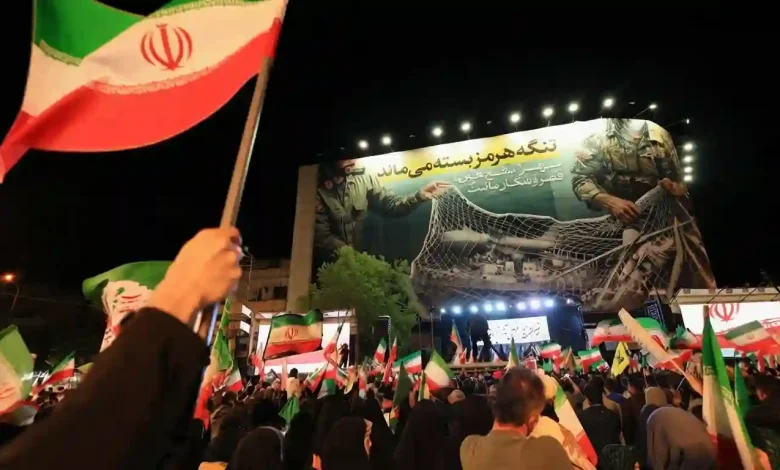
Table of Contents
Iran talks have transformed into an arena of high-stakes diplomatic brinkmanship as Tehran deliberately stretches out negotiations with Washington to sap political capital from Donald Trump ahead of the November legislative elections. According to senior Iranian officials and foreign policy insiders speaking on background, Iranian leadership is operating under the calculated conviction that prolonging diplomatic impasse weakens the American administration’s domestic standing. Simultaneously, acute anxieties regarding the resumption of devastating aerial strikes and systemic skepticism toward White House assurances have locked Iranian decision-makers into a posture of strategic hesitation, making a swift settlement to the devastating eight-month conflict increasingly remote.
Strategic Delay: Tehran’s Diplomatic Playbook
Behind the ornate doors of the Supreme National Security Council in Tehran, Iranian strategists have settled on a doctrine of deliberate exhaustion. Recognizing that American electoral cycles create natural vulnerability for sitting executives, Iranian negotiators have introduced cyclical demands, extended review phases, and procedural roadblocks during indirect engagements in Muscat, Doha, and Geneva. This calculated deceleration is engineered to deny the White House a landmark foreign policy triumph that could sway competitive congressional races.
Tehran’s calculation rests on historical precedence. Historically, Iranian statecraft has viewed time not as an expendable asset but as a strategic weapon. By maintaining an unresolved front while sustaining manageable levels of economic attrition, Tehran seeks to expose the operational limits of Washington’s containment doctrine. Insiders assert that the diplomatic apparatus has received unambiguous directives to project openness to negotiation while systematically avoiding binding agreements that would alleviate geopolitical pressure on the American president before voters head to ballot boxes.
Electoral Leverage and the US Midterms
The impending midterm elections represent the fulcrum of Iran’s diplomatic calculus. In Washington, rising fuel prices, overseas expenditures, and growing voter fatigue over foreign entanglements have become central themes of political debate. Iranian authorities closely observe American opinion polling, evaluating how prolonged overseas conflicts undermine public confidence in the administration’s stewardship of national defense and macroeconomic stability.
By ensuring that the conflict remains an ongoing dilemma rather than a settled success, Tehran aims to constrain the executive branch’s room for domestic political maneuver. The Iranian diplomatic corps anticipates that should the sitting administration suffer losses in either chamber of Congress, its foreign policy mandate will be circumscribed, potentially forcing a future pivot toward concessions or dampening congressional enthusiasm for protracted foreign campaigns. Detailed assessments of the iran war stalemate illustrate how domestic political vulnerabilities in Washington directly feed into Iranian diplomatic intransigence.
Fear of Renewed Strikes and Deepening Mistrust
While electoral manipulation forms the offensive core of Tehran’s delay strategy, deep-seated dread regarding potential military shocks forms its defensive foundation. Iranian officials remain intensely suspicious that any interim compromise or tactical pause would merely serve as an operational decoy, allowing coalition forces to replenish precision munitions and reposition strike wings across regional bases. Multiple senior advisors noted that Tehran expects the United States might launch intensive air and naval operations to forcibly shatter the deadlock if diplomacy does not produce immediate capitulation.
This perception of precariousness has been exacerbated by the volatile track record of prior diplomatic accords. Tehran perceives international agreements as structurally insecure, subject to unilateral annulment with each shift in presidential leadership. Consequently, Iranian negotiators demand ironclad, binding enforcement mechanisms and immediate economic sanctions relief before permitting inspections or missile restrictions. The broader contours of the iran war strategy trump has championed only reinforce the Islamic Republic’s conviction that defensive concessions would be premature and perilous.
The Eight-Month Deadlock and Military Stalemate
Now in its eighth month, the confrontation has settled into an arduous war of attrition. Military operations have disrupted regional maritime transit, damaged energy facilities, and triggered widespread global inflation. Iranian defense planners have decentralized their arsenal of ballistic platforms, anti-ship cruise missiles, and loitering munitions across subterranean bunkers throughout the Zagros mountains, consciously designed to survive high-intensity bombing campaigns.
Because Washington has stopped short of committing ground forces to dismantle Iranian defenses, Tehran retains substantial deterrent capacity. That resilience allows Iranian policymakers to reject unfavorable peace terms without immediate risk of total institutional collapse. As highlighted in recent coverage of how iran bets on calibrated retaliation, the government in Tehran has opted to match pressure with proportion, betting that American political tolerance for asymmetric conflict will erode faster than Iran’s capacity to absorb tactical strikes.
Regional Dynamics and Economic Endurance
The diplomatic delay is reinforced by Iran’s evolving regional posture and alternative economic life support systems. Despite comprehensive sanctions and naval interdictions in strategic waterways, Tehran has maintained illicit oil transfers via covert trading networks and grey-market maritime operators. Bilateral engagement with regional neighbors has prevented total diplomatic isolation, giving Tehran sufficient economic bandwidth to endure ongoing hostilities without pleading for immediate economic salvos.
At the same time, regional maritime corridors remain contested flashpoints. The persistent friction documented during the iran war day 148 strait of hormuz crisis underscored how asymmetric naval strategies can inflict global economic disruption. By keeping the threat of maritime blockades active, Tehran ensures that the international cost of an unresolved crisis stays exceptionally high for energy-importing economies worldwide.
Comparative Analysis of Negotiating Positions
The strategic divergence between Washington and Tehran highlights why rapid diplomatic reconciliation remains virtually unobtainable under present political configurations:
| Dimension | Washington Strategic Position | Tehran Strategic Position | Operational Impact on Talks |
|---|---|---|---|
| Primary Objective | Total curtailment of missile arsenals and regional proxies | Preservation of strategic deterrence and regime continuity | Zero-sum conflict over fundamental defense architecture |
| Time Horizon | Urgent resolution prior to legislative elections | Extended timeline spanning beyond electoral cycles | Deliberate deceleration of diplomatic exchanges |
| Sanctions Outlook | Conditional, phased rollbacks tied to verifiable compliance | Immediate, unconditional removal of financial embargoes | Impasse on sequencing and initial compliance measures |
| Military Posture | Threat of renewed kinetic strikes to force breakthroughs | Asymmetric deterrence and decentralized defense grid | Mutual expectation of pre-emptive or retaliatory strikes |
| Third-Party Mediation | Demands regional allies adhere strictly to economic curbs | Leverages bilateral channels across the Global South | Fragmentation of international enforcement mechanisms |
Diplomatic Channels and Third-Party Mediation
Efforts by regional and global mediators have so far failed to breach the structural barrier between both sides. Mediators from Muscat, Islamabad, and international institutions have shuttled draft framework documents between the delegations, yet each successive draft encounters fresh revisions and legal reservations. Iranian negotiators have repeatedly cited ambiguous language in proposals to delay follow-up summits by weeks, allowing domestic timelines in the United States to advance uncomfortably close to voting day.
Analyses exploring the comprehensive iran strategy 2026 why tehran wins the strait of hormuz standoff explain how Tehran views diplomatic engagement not as an off-ramp, but as an operational arena to buy preparation time. While regional partners try to orchestrate breakthrough compromises, as seen when pakistan mediates u s iran talks lebanon ceasefire hurdles, Tehran routinely pivots away from actionable commitments whenever momentum toward an immediate deal gathers steam.
Furthermore, international pressure has been complicated by maritime enforcement measures. The aggressive posture seen where a blockade u s enforces strait of hormuz halting iranian ships has deepened Tehran’s narrative that Washington’s diplomacy is indistinguishable from economic warfare. Consequently, even when tentative proposals like the iran ceasefire proposal are circulated through international intermediaries, Iranian diplomats subject each clause to exhaustive bureaucratic review, ensuring that negotiations remain functionally frozen.
Projected Scenarios Post-Midterm Elections
Looking past November, the diplomatic landscape is primed for dramatic reconfiguration. Should the administration’s party suffer substantial congressional setbacks, Tehran calculates that the White House may be forced into more conciliatory negotiations or face legislative constraints against initiating expanded military operations. In that scenario, Iranian officials believe they can extract more durable sanctions concessions without sacrificing their core ballistic and enrichment assets.
Conversely, if the sitting administration consolidates its political position, Iranian insiders concede that the danger of uncontrolled escalation will spike dramatically. Freed from immediate electoral exposure, the US executive could greenlight punitive kinetic operations against Iranian industrial infrastructure, naval ports, and command nodes. Both sides understand that by gambling on deliberate delay today, Tehran is wagering the future of regional security on the outcome of an American domestic election, setting the stage for either a recalibrated diplomatic bargain or an explosive escalation as the calendar turns.