Gasoline prices rise as Trump eyes Hormuz claim 2026
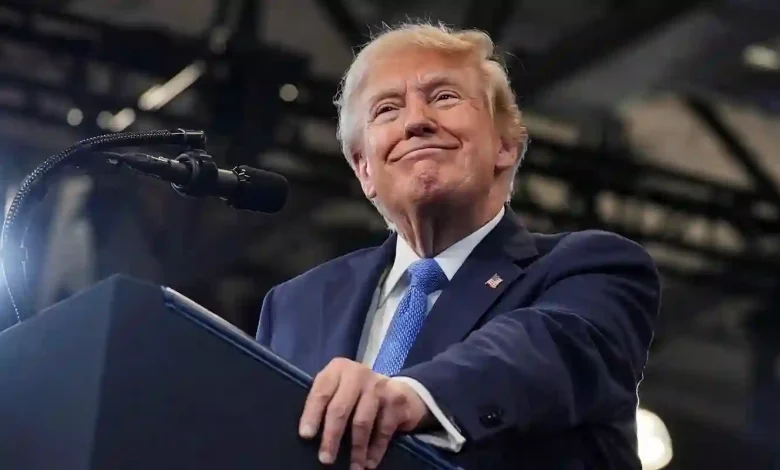
Table of Contents
Gasoline prices across the United States have surged to a nationwide average of $4.08 per gallon on Friday, August 14, 2026, representing a staggering 29% increase from a year earlier, when fuel sat at a much more manageable $3.16 per gallon. Against this backdrop of growing voter dissatisfaction, President Donald Trump delivered a highly publicized, combative speech in Garden City, N.Y., at the Nassau County Police Academy (the David S. Mack Center for Training and Intelligence). Trump explicitly urged Americans to accept slightly higher gasoline prices as an inevitable, necessary burden—the cost of preventing Iran from obtaining a nuclear weapon. During the same address, Trump dramatically escalated his geopolitical rhetoric by stating he would “soon” declare the strategic Strait of Hormuz a U.S. territory. This declaration immediately ignited severe diplomatic backlash and sent shockwaves through international oil markets, highlighting the deep intersection of domestic political risk, economic inflation, and ongoing global maritime warfare.
Prices :The Battle of Rhetoric Over the Strait of Hormuz
During his appearance before a cheering crowd of supporters and law enforcement personnel in New York, President Trump didn’t mince words. “After we finish defeating Iran, which is being very badly defeated—pretty soon I’ll be declaring the Hormuz Strait a territory of the United States,” Trump said with a characteristic chuckle. “It’s true.” He argued that the U.S. effectively controls maritime access through the highly vital waterway: “We have the blockade. No ships get through unless we want them to.”
This claim of control, however, stands in stark contrast to the realities of a highly contested Strait of Hormuz escalation. While Trump painted a picture of absolute American dominance, military analysts and shipping experts note that the strait has become a volatile war zone where maritime security is constantly threatened. The U.S. administration’s rhetoric represents a major shift, seeking to project absolute control over a body of water that has historically been governed by international maritime treaties and shared sovereign jurisdictions.
Prices :The White House Walk-Back and Joking Defense
Almost immediately after the speech, the White House scrambled to contain the diplomatic fallout. Reporters and foreign diplomats questioned the legal basis of declaring an international strait as American territory—a move that would fly in the face of the United Nations Convention on the Law of the Sea. Senior administration officials privately briefed members of the press to downplay the President’s remarks. Wall Street Journal reporter Brian Schwartz reported via social media that a senior White House official clarified Trump was simply “joking” during his New York address and had not formally met with national security advisers to discuss claiming the Strait of Hormuz as U.S. territory.
Despite this attempted walk-back, critics point out that Trump’s remarks appeared highly deliberate, punctuated by his insistence that “it’s true” and his subsequent claims regarding the blockade. In the fast-moving arena of global politics, such statements are rarely viewed as mere jokes by foreign adversaries. Instead, they serve to further muddy the waters of American foreign policy during an active conflict, raising anxieties among international allies and trading partners who rely on stable, open sea lanes.
Prices :Iran’s Defiant Rejection and Sovereign Stance
The Iranian diplomatic response was swift and uncompromising. Iran’s Deputy Foreign Minister, Kazem Gharibabadi, took to social media to directly counter the American president’s claims. In a post published early Saturday, Gharibabadi asserted that the strategic waterway remains firmly under Iranian authority. “This strait will be opened and closed only under Iran’s command, and so long as you do not accept the reality of defeat and stop indulging in fantasies, Iran will continue to enforce the blockade,” he wrote. Gharibabadi added that “the Strait of Hormuz cannot be seized by a tweet or an aircraft carrier, by issuing an order or by delivering an election speech.”
Iranian military commanders also dismissed Washington’s claims of a successful naval blockade as “baseless lies and fabrications.” Iran’s central military command pointed to shipping data to argue that despite the heavy U.S. naval presence, vessels continue to navigate the region, albeit under highly dangerous conditions. Foreign Minister Abbas Araqchi reiterated that Tehran has no intention of resuming peace negotiations unless Washington meets specific conditions regarding the strait, suggesting that the diplomatic impasse is likely to persist for the foreseeable future.
Prices :Economic Implications: Rising Pump Prices and Midterm Risks
The economic fallout from this prolonged military campaign has hit American consumers directly where it hurts most: the gas pump. According to data from the American Automobile Association (AAA), the average price of a gallon of gasoline has reached $4.08, representing a painful 29% increase from a year prior. This sharp spike in energy costs directly threatens to undermine Trump’s cornerstone campaign promise to lower energy costs for working-class families.
With the crucial November midterm elections rapidly approaching, the timing of this fuel price surge could not be worse for the Republican party. Democrats have seized on the rising costs, framing the U.S. war with Iran as an expensive, open-ended endeavor that is draining the pockets of everyday citizens. Many political opponents argue that the decision to pursue direct military action in Iran was made without a clear exit strategy. In response, Trump’s Garden City speech was a calculated attempt to reframe the narrative. By telling his audience that paying “a tiny little bit more for your gasoline” is the necessary price of keeping nuclear weapons out of the hands of “a very evil country,” the president is attempting to appeal to voters’ sense of national security and moral duty.
Prices :The Political Equation for the 2026 Midterms
As political campaigns gear up across the country, both parties are positioning themselves around the economic impacts of the conflict. Republican strategists are relying on a message of patriotism and ultimate victory, arguing that any short-term economic discomfort is a small price to pay for global security. On the other side, Democratic candidates are pointing to the stalled progress of the war as evidence of administrative incompetence.
This political divide is further complicated by differences within the administration’s own messaging. While Trump has focused on aggressive rhetoric and territorial claims, other figures, including key economic advisers, have tried to reassure the public that keeping domestic energy prices stable remains a top priority. However, as long as the shipping lanes remain disrupted and the threat of retaliatory strikes persists, market forces are likely to keep pressure on retail fuel prices, making it a central battleground issue for the upcoming elections.
Prices :Tanker Warfare and Global Shipping Disruptions
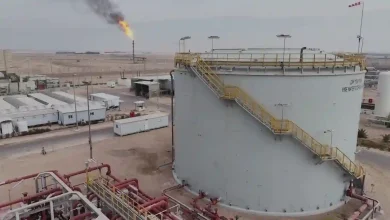
The roots of the energy price spike lie in the physical security of global supply chains. Roughly 20% of the world’s liquefied natural gas (LNG) and crude oil shipments pass through the narrow Strait of Hormuz. The ongoing conflict has transformed this vital chokepoint into a primary theater of war. Just hours before Trump’s speech, the United Arab Emirates accused Iran of launching fresh attacks on Emirati-flagged oil tankers, bringing commercial transit in the strait to a near-total standstill.
The repeated targeting of ADNOC-linked tankers has raised serious alarms within the international maritime community. What began as a localized confrontation has escalated into a broad global maritime crisis, forcing insurance companies to hike premiums to astronomical levels and prompting many shipping giants to bypass the region entirely. Shipping analytics firm Kpler reported that in the 166 days since the war commenced on February 28, only 3,371 vessels have successfully transited the strait—representing roughly 20% of pre-war volumes. This massive reduction in traffic has constrained global supply, driving Brent crude oil prices toward $90 a barrel and exerting upward pressure on retail gasoline prices worldwide.
Prices :Historical Context of the 2026 War and Stalled Peace Negotiations
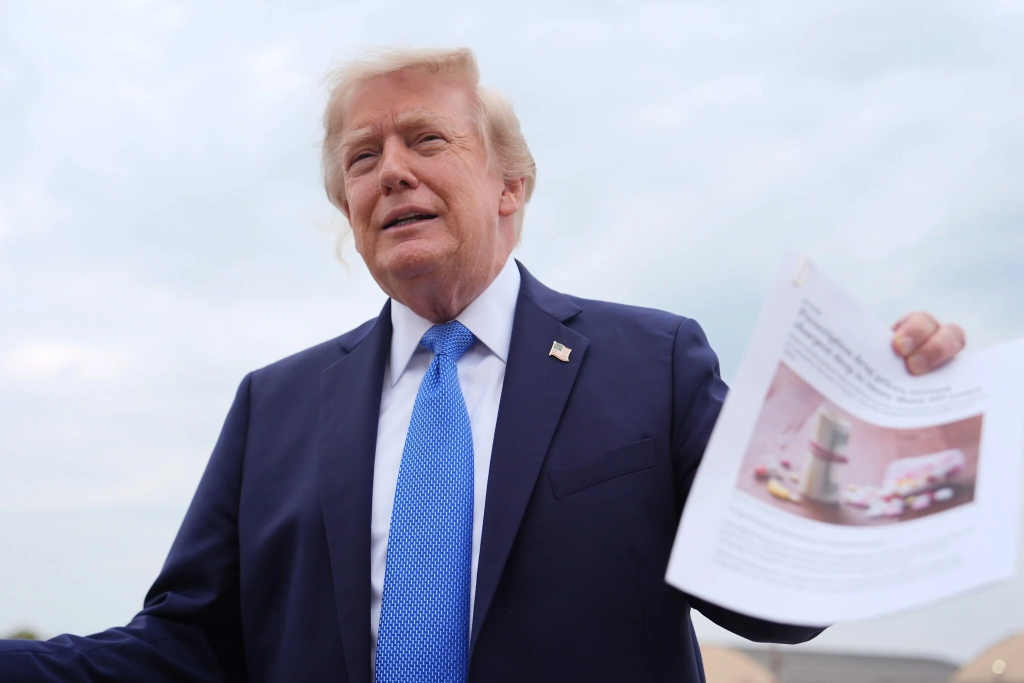
To understand the current state of the conflict, one must look back at the timeline of the war, which began with joint U.S. and Israeli military strikes on February 28, 2026. The initial objective of the campaign was to dismantle Iran’s nuclear infrastructure and degrade its military capabilities. However, what was initially promised as a swift, decisive operation has dragged into a protracted conflict with Tehran, with both sides locked in a costly war of attrition.
There have been fleeting moments of diplomatic hope. In April, Pakistan brokered a temporary ceasefire, and on June 17, both nations signed an agreement to initiate formal negotiations. However, those talks quickly broke down over fundamental disagreements. The U.S. demanded guaranteed, unhindered access for international shipping and verified nuclear disarmament, while Iran insisted on the immediate removal of all U.S. naval forces from the Persian Gulf. The collapse of these negotiations led to a renewed cycle of violence, characterized by intense exchanges of military strikes between July 8 and July 24. This renewed hostility has dashed hopes of a swift diplomatic resolution, solidifying the ongoing geopolitical standoff.
Prices :Comparative Analysis: Strait of Hormuz Pre-War vs. Active Conflict
The following data table illustrates the dramatic shifts in economic and operational metrics from the period immediately preceding the outbreak of hostilities in early 2026 to the current state of affairs in mid-August 2026:
| Metric / Strategic Indicator | Pre-War Baseline (Pre-February 2026) | Current Status (August 2026) |
|---|---|---|
| Strait of Hormuz Tanker Traffic Volume | Handles approx. 20% of global oil & LNG (100% capacity) | Reduced to approx. 20% of pre-war levels (severe blockades/halted) |
| Average US Gasoline Price (Per Gallon) | $3.16 | $4.08 (a 29% year-on-year surge) |
| Brent Crude Price | Averaging $70 – $75 per barrel | Approaching $90 per barrel |
| Strait of Hormuz Control & Sovereignty | International waterway (monitored by Iran/Oman) | Contested blockades; Trump threat to declare US territory |
Prices :Strategic Realities of the Blockade and Territorial Claims
The notion that the United States could unilaterally declare the Strait of Hormuz a U.S. territory has been met with widespread skepticism by international law experts. Under the United Nations Convention on the Law of the Sea, the Strait of Hormuz is recognized as an international strait where the right of transit passage applies to all vessels. Claiming the waterway as sovereign U.S. territory would represent an unprecedented departure from established international law, potentially alienating key regional allies like Oman and Saudi Arabia who share maritime borders and strategic interests in the area.
Moreover, implementing a permanent physical blockade requires massive naval resources and constant vigilance. While the U.S. Navy maintains a formidable presence, enforcing such a blockade while simultaneously defending against asymmetric threats, such as Iranian fast-attack craft, sea mines, and drone strikes, represents a massive operational challenge. The ongoing Trump’s economic war against Iran has already utilized extensive sanctions and financial pressures, but transitioning from economic warfare to direct territorial acquisition of international waters is a highly volatile escalation that could trigger a wider global conflict.
Prices :The Geopolitical Dilemma for Regional Allies
Regional powers like Saudi Arabia, Kuwait, and the United Arab Emirates find themselves in an incredibly delicate position. While these nations share Washington’s concerns regarding Iran’s nuclear ambitions, they are also highly dependent on the Strait of Hormuz for their own petroleum exports. A prolonged disruption of the waterway threatens their national revenues and domestic stability.
Consequently, while regional leaders have supported efforts to enhance maritime security, they have consistently advocated for a return to free navigation rather than endorsing unilateral territorial claims. The threat of a broader regional war that could damage vital energy infrastructure remains a primary concern for Gulf policymakers, who continue to quietly lobby both Washington and Tehran to find a diplomatic off-ramp.
Prices :Conclusion: A High-Stakes Gamble for the Trump Administration
President Trump’s address in Garden City, N.Y., underscores the high-stakes gamble his administration is taking. By asking American voters to bear the financial burden of the war at the gas pump, Trump is testing the limits of public support for his foreign policy. His aggressive rhetoric regarding the Strait of Hormuz may appeal to his core political base, but the resulting economic pressure and diplomatic friction present a formidable challenge.
As the conflict continues with no clear end in sight, the administration must balance its goal of neutralizing Iran’s nuclear program with the domestic reality of rising inflation and an impending midterm election. Whether voters will accept the “tiny little bit more” for gasoline as a necessary sacrifice, or view it as an unacceptable consequence of a prolonged conflict, remains to be seen. What is certain is that the battle over the Strait of Hormuz will continue to shape the global energy landscape and the trajectory of American politics for months to come.