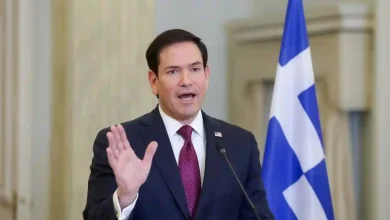
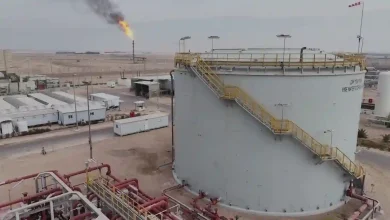
Strikes against Iran 2026: Trump Threatens Imminent Weekend Attack
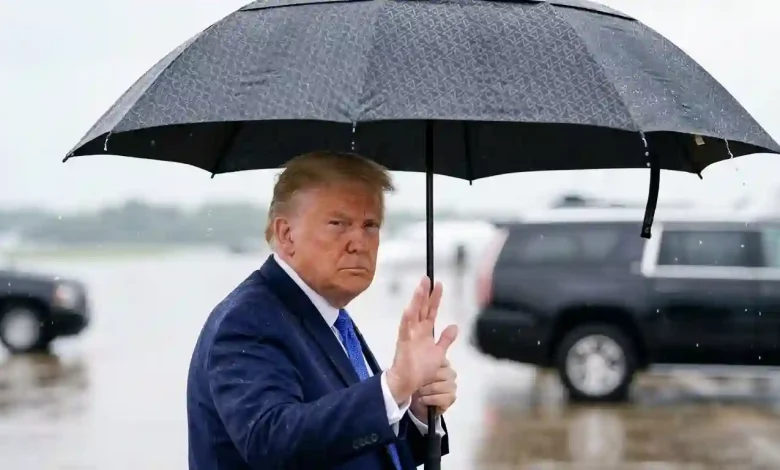
Table of Contents
Strikes against Iran are looming as geopolitical tensions between Washington and Tehran reach an absolute boiling point, with senior administration officials warning that massive military operations could begin as early as this weekend. During a crucial cabinet briefing on Friday, the United States President declared an uncompromising posture, warning that the retaliatory measures would be swift and devastating. The breakdown of diplomatic channels has set both nations on a direct collision course, with security analysts predicting a dramatic escalation of physical engagements across multiple frontlines. As strategic assets mobilize, the entire global community watches with bated breath to see if a massive regional war can be avoided.
The Imminent Threat of Escalating Warfare
The current geopolitical landscape is highly precarious as military assets in the Persian Gulf prepare for potential engagement. Despite intensive efforts behind the scenes, the collapse of the previous temporary pause in hostilities has left no buffer zone between diplomatic discourse and outright armed conflict. Defense departments on both sides have raised their readiness levels, positioning naval fleets, precision strike systems, and interceptors to maximize tactical advantage. Strategic planners warn that the window for preventive diplomacy is closing fast as logistics commands mobilize ammunition reserves. In Washington, command centers have gone into overdrive. The deployment of additional stealth aircraft squadrons and guided-missile destroyers to the region signals a readiness to execute high-intensity campaigns. These preparations are not merely symbolic; they represent a concrete operational framework designed to dismantle hostile military infrastructure should the executive order be issued.
Failed Ceasefires and the Breakdown of Diplomacy
Negotiators spent weeks trying to bridge the gap between Washington’s demands for total regional compliance and Tehran’s insistence on the lifting of economic sanctions. Unfortunately, these talks reached a complete stalemate. Following the collapse of the truce, direct military confrontations resumed with renewed vigor. Strategic analysts note that without a structured channel for communication, the likelihood of miscalculation has risen exponentially, turning minor border skirmishes or maritime intercepts into triggers for regional war. The primary sticking point has been the mutual lack of trust. US representatives have continuously accused Tehran of using diplomatic pauses to resupply proxy elements, while Iranian negotiators claim that the US has no genuine interest in long-term peace. This fundamental misalignment has paralyzed diplomatic efforts, leaving the international community to brace for impact.
Trump’s Strategy of Maximum Military Pressure
The executive branch has adopted an unyielding stance, using direct public rhetoric to signal its willingness to employ overwhelming force. With the military actions threatened by the president serving as the backbone of Washington’s foreign policy, administration officials believe that only a significant demonstration of strength will deter regional adversaries. President Trump’s warning that Iran ‘will be hitting them very hard’ emphasizes a strategic calculated policy aimed at forcing the Iranian regime to capitulate under economic and kinetic strain. Critics within Washington warn that this high-stakes brinkmanship could lead to an uncontrollable conflict. However, proponents of maximum pressure argue that showing any sign of hesitation would only embolden adversary factions. The current administration has made it clear that military intervention is not a secondary option but a primary tool of deterrence that will be utilized if red lines are crossed.
The Economic Implications of a Renewed Conflict
A prolonged military campaign threatens to destabilize global financial markets, which are already suffering from supply chain disruptions. Reports indicate that energy analysts are projecting unprecedented energy sector volatility, with Brent crude futures poised to breach historic highs if active warfare breaks out. International shipping lanes, specifically the choke points crucial for global trade, could face extended closures, leading to soaring insurance premiums for merchant vessels. Beyond the immediate energy sector, global equity markets have shown extreme sensitivity to the escalating rhetoric. Industrial supply chains, particularly those relying on raw materials sourced from or transported through the Middle East, are actively preparing contingency plans. Major logistics corporations are rerouting shipments around the Horn of Africa, a move that dramatically increases shipping times and overall transportation costs.
Iran’s Defense Network and Tactical Capabilities
Tehran has spent decades fortifying its defensive capabilities, focusing heavily on asymmetric warfare strategies, mobile missile systems, and an extensive network of proxy forces. Pentagon officials are currently weighing a massive offensive that aims to neutralize these defensive assets before they can be deployed. However, Iran’s deep-underground facilities and mobile launchers pose a significant target-acquisition challenge for allied air forces. Iran’s military doctrine does not rely on matching Western technological superiority head-on. Instead, they focus on anti-access and area-denial (A2/AD) capabilities, utilizing highly dense air defense networks and swarming fast-attack craft designed to overwhelm naval vessels. This defensive matrix makes any offensive operation highly risky, with a real possibility of allied casualties.
Rhetorical Defiance from Iranian Commanders
Iranian military leaders have responded with harsh warnings of their own. Ali Abdollahi, head of Iran’s military central command, explicitly stated that any nation offering assistance or defensive support to American forces would be targeted. This warning has placed neighboring Arab states on high alert, as many host American airbases and logistics hubs. Iranian state media has consistently broadcast footage of missile drills, underscoring Tehran’s readiness to retaliate against any perceived encroachment on its sovereignty. This fiery rhetoric serves a dual purpose: it acts as a domestic rally-around-the-flag mechanism and sends a clear signal to regional neighbors that neutrality is the only safe option. The Iranian command structures appear fully prepared to accept the costs of a kinetic conflict, betting that their defensive resilience will outlast the political will of the Western coalition.
Comparative Analysis: Key Geopolitical Capabilities
To understand the scope of this escalating crisis, it is helpful to analyze the primary operational parameters of both actors. The table below outlines the strategic indicators defining the current standoff:
| Strategic Metric | United States Capability / Posture | Iran Capability / Posture |
|---|---|---|
| Primary Strategy | Precision kinetic strikes and global economic sanctions | Asymmetric defense, proxy networks, and anti-access systems |
| Command Readiness | High alert, carrier strike groups deployed to regional waters | Full mobilization, subterranean missile systems primed |
| Diplomatic Stance | Demands absolute compliance and cessation of proxy operations | Refusal to negotiate under pressure, demanding sanctions relief |
| Economic Impact | Localized inflation and rising domestic fuel prices | Severe economic strain, offset by black market oil exports |
Strategic Scenarios for the Upcoming Weekend
Military commanders are preparing for multiple contingency scenarios as the weekend deadline approaches. The most critical operational theater remains the waterways of the Middle East, where any escalation in the Strait of Hormuz could instantly freeze a significant percentage of global oil transit. Naval planners are coordinating escort missions for oil tankers, but the sheer volume of traffic makes comprehensive protection nearly impossible. Additionally, cyber warfare has emerged as a critical preemptive domain. Intelligence sources suggest that both nations have already engaged in low-level cyber probes targeting critical national infrastructure. A full-scale cyber campaign could accompany any kinetic strikes, disrupting communications, energy grids, and financial institutions on a global scale.
Regional Allies and Proxy Dynamics
A key variable in the conflict is the behavior of regional proxy forces, which have the capacity to launch coordinated strikes from multiple directions simultaneously. Command centers in Iraq, Syria, and Yemen have reportedly received updated directives from Tehran, prompting the US State Department to issue a global security advisory for American citizens and personnel abroad. These proxy factions possess extensive stockpiles of drones and short-range missiles, which could be utilized to target regional infrastructure. Regional allies of the United States are finding themselves in an increasingly tight spot. While they rely on American security guarantees, they are highly vulnerable to localized retaliation. Diplomatic envoys have been working frantically behind closed doors to secure assurances that their territories will not be used as staging grounds for offensive strikes, hoping to insulate themselves from the potential fallout.
International Reactions and Call for Restraint
European and Asian allies have watched the mounting tensions with growing concern, urging both Washington and Tehran to return to the negotiating table. However, hope for a diplomatic resolution remains dim, especially since Tehran officially rejected peace negotiations in their current format, citing a lack of good faith from Western powers. As the countdown to potential military action continues, international organizations are scrambling to establish emergency communication channels to prevent a full-scale regional war that could draw in major global superpowers. The United Nations Security Council has scheduled an emergency session to address the rapidly deteriorating security environment. Diplomatic representatives are draft resolutions calling for immediate ceasefires and the deployment of international observers. However, given the deep divisions among permanent council members, these efforts are largely seen as symbolic, unlikely to alter the trajectory of the impending conflict.
Long-Term Geopolitical and Humanitarian Consequences
Should the threatened strikes materialize, the long-term consequences will reverberate far beyond the borders of the Middle East. Geopolitical experts suggest that any prolonged campaign will lead to a significant increase in civilian displacement, placing an immense burden on neighboring nations already struggling with economic instability. Furthermore, if Iran initiates retaliatory strikes against regional infrastructure, the resulting destruction could take years and billions of dollars to repair, further crippling regional development and ensuring decades of mutual hostility. The potential for nuclear proliferation also looms large. A prolonged conflict might push Tehran to permanently abandon its commitments under non-proliferation treaties, accelerating its uranium enrichment programs as a final deterrent against foreign intervention. Such a development would permanently alter the security architecture of the Middle East, triggering a regional arms race that would threaten global stability for generations to come.