Strait of Hormuz: Iran Demands US Warship Ban in Reopening Deal 2026
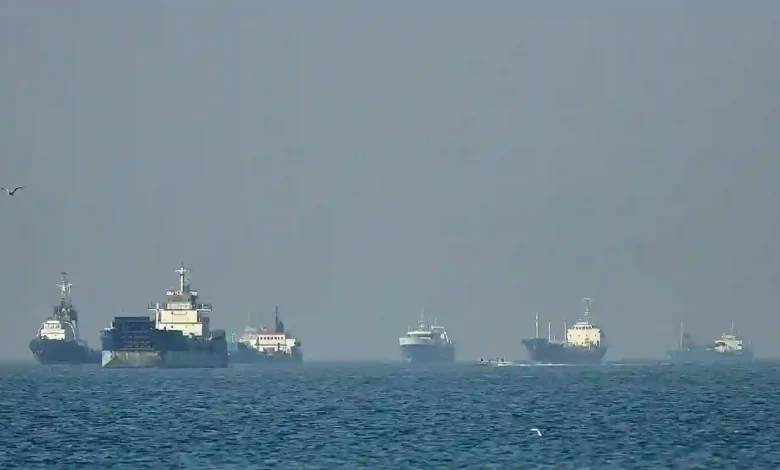
Table of Contents
Strait of Hormuz transit routes are once again the epicenter of an escalating global security crisis. Tehran has officially vowed to bar U.S. Navy warships from passing through the strategic choke point as a non-negotiable condition for reopening the vital waterway. This aggressive diplomatic gambit highlights the dramatic ascendance of hard-line factions within the Islamic Revolutionary Guard Corps (IRGC), who view the current post-war negotiations as a prime opportunity to curtail America’s decades-old military presence in the Persian Gulf. Despite suffering devastating losses over the course of a six-month military campaign, Iranian leaders believe they can leverage control over global energy transit to achieve a strategic victory that has eluded them on the battlefield.
The Strategic Standoff in the Gulf
The Persian Gulf has entered its most volatile phase in decades as negotiations to end the six-month conflict hit an unyielding diplomatic wall. Iran’s latest decree is not merely a defensive posture but a calculated attempt to rewrite the rules of maritime engagement in one of the world’s most critical shipping lanes. By demanding a total ban on U.S. Navy warships, Tehran is targeting the foundational pillar of Western security architecture in the Middle East. The United States and its international allies have long guaranteed the free flow of commerce through the Gulf, a mission underpinned by the continuous presence of the U.S. Fifth Fleet.
For Iran, however, the continuous presence of Western military assets is viewed as an existential threat and an intolerable infringement on regional sovereignty. By centering their diplomatic demands on the exclusion of foreign military vessels, Iranian negotiators are trying to transform a military setback into a geopolitical triumph. The move has paralyzed ongoing multilateral talks, raising fears of a renewed escalation just as international mediators were attempting to cement a lasting ceasefire.
The Ascendance of the IRGC Hard-Liners
To understand Iran’s uncompromising stance, one must look at the internal political dynamics currently playing out in Tehran. The devastating air campaigns and naval engagements of the past six months have severely degraded Iran’s conventional military infrastructure. However, rather than neutralizing the regime’s resolve, these setbacks have empowered the most radical elements within the Islamic Revolutionary Guard Corps. The IRGC has successfully marginalized more moderate diplomatic voices, framing any compromise on national sovereignty as a betrayal of the state’s revolutionary ideals.
This internal power shift has resulted in a highly confrontational style of strategic posturing. The IRGC leadership believes that Washington and its allies are war-weary and highly sensitive to prolonged economic disruptions. By adopting an all-or-nothing approach to the reopening of the shipping lanes, the hard-liners are betting that the international community will eventually pressure the United States to accept maritime concessions in exchange for energy security and a return to economic normalcy.
The Core Demand: Barring U.S. Warships
Tehran’s specific demand—barring U.S. Navy warships from the strait—presents a direct challenge to international maritime law. Under the United Nations Convention on the Law of the Sea (UNCLOS), the Strait of Hormuz is recognized as an international strait where the right of transit passage applies to all vessels, including military warships. Although Iran has signed but not ratified UNCLOS, it has historically been bound by customary international law, which protects the passage of state-owned vessels through such choke points.
Iranian legal experts and officials are now arguing that the exceptional circumstances of the recent war grant them the right to take extraordinary national security measures. They assert that the presence of hostile foreign warships in close proximity to their coastline constitutes an active threat to their national survival. By attempting to establish a new legal precedent that requires foreign military forces to obtain permission before transiting the strait, Tehran hopes to permanently shift the balance of power in the region.
Devastating War and Strategic Posturing
The current diplomatic deadlock comes in the wake of an incredibly intense military conflict. Over the last half-year, coalition forces have carried out extensive precision strikes targeting Iranian air defense networks, command-and-control centers, and naval facilities. These operations succeeded in establishing crippling naval blockades that heavily restricted Iran’s maritime commercial capabilities and severely dented its economic output.
Despite this extensive damage, Iran has managed to maintain a potent asymmetric capability. Throughout the conflict, the IRGC utilized fast-attack crafts, sea mines, and anti-ship ballistic missiles to conduct highly disruptive asymmetric retaliatory strikes against commercial shipping and coalition naval assets. It is this residual capability to inflict disproportionate economic damage that emboldens Tehran’s negotiators. They realize that while they cannot win a conventional blue-water naval battle against the U.S. Navy, they can easily make the cost of securing the waterway unsustainably high for the international community.
The Global Economic Consequences
The ongoing closure of the shipping lanes and the threat of a prolonged blockade have sent shockwaves through the global financial sector. Approximately one-fifth of the world’s petroleum passes through this narrow maritime corridor daily. The persistent instability has already triggered massive spikes in energy markets, leading to severe global inflationary pressures that threaten to derail the fragile post-war economic recovery.
Global shipping conglomerates have been forced to reroute their tankers around the Cape of Good Hope, a costly detour that adds weeks to transit times and dramatically increases fuel and insurance premiums. For heavily import-dependent economies in Asia and Europe, a long-term closure of the strait is an existential economic threat. This vulnerability is precisely the leverage that the IRGC is attempting to exploit, calculating that international desperation for stable oil flows will force the United States to make unprecedented geopolitical concessions.
Geopolitical Positions and Negotiating Demands
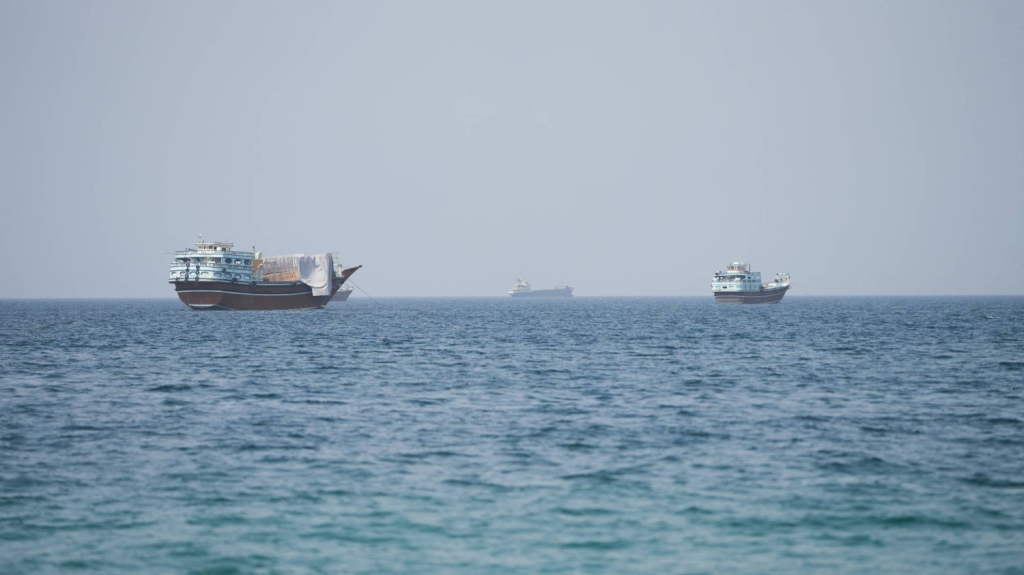
The diplomatic gridlock involves multiple international actors, each with competing priorities and red lines. The table below outlines the core positions of the primary stakeholders involved in the current negotiations.
| Stakeholder | Primary Strategic Goal | Core Negotiating Position | Red Lines |
|---|---|---|---|
| Iran (IRGC) | Oust U.S. forces; establish regional hegemony. | Reopen transit only if U.S. warships are banned. | No compromise on maritime sovereignty or foreign military presence. |
| United States | Maintain freedom of navigation; protect allies. | Unconditional reopening under international law. | No restriction on Navy transits; protection of global shipping rights. |
| Gulf Allies (GCC) | Ensure economic stability; contain Iranian threat. | De-escalate conflict while maintaining security guarantees. | Complete disruption of oil exports; total U.S. military withdrawal. |
| Global Consumers | Restore stable energy supplies and lower inflation. | Rapid, unconditional reopening of the waterway. | Prolonged blockade causing global economic depression. |
Washington’s Stance and Red Lines
The White House has responded to Tehran’s demands with absolute resolve. Administrative officials have made it clear that the United States will not compromise on the fundamental principle of freedom of navigation. Diplomatic channels have conveyed stern warnings from Washington, emphasizing that any attempt to restrict the lawful passage of American military vessels will be met with decisive military action.
For the United States, giving in to Iran’s demands would set a dangerous global precedent. If a regional power can successfully restrict warship transits through an international strait by force of arms, it could embolden other nations to attempt similar blockades in other vital maritime corridors, such as the South China Sea or the Bab el-Mandeb. U.S. military commanders argue that maintaining a robust naval presence in the Persian Gulf is essential to deter further aggression and reassure regional allies of Washington’s long-term security commitments.
Backchannel Diplomacy and Future Outlook
Despite the highly public war of words, intense diplomatic efforts are taking place behind closed doors. International mediators, including Swiss and Omani diplomats, are working tirelessly to find a compromise that prevents a return to active hostilities. These Hormuz diplomatic talks aim to draft a framework that addresses Iran’s security concerns without explicitly violating the U.S. red line on warship transit.
However, the path to a diplomatic breakthrough is fraught with obstacles. Previous negotiations have failed due to deeply entrenched distrust, particularly after the U.S. administration repeatedly scrapped diplomatic channels in response to Iranian provocations. The current temporary lull in airstrikes has provided a brief window of opportunity for talks, but military planners on both sides remain highly skeptical. If these backchannel efforts fail to yield a viable security arrangement, the region could easily slide back into a devastating cycle of kinetic strikes and economic warfare, with catastrophic consequences for the entire global economy.