Qatar Mediates Intense US-Iran Peace Talks Amid Crisis 2026
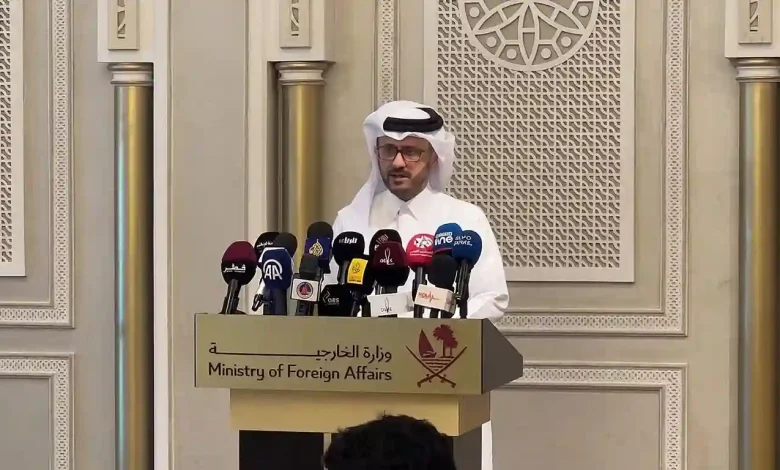
Table of Contents
Qatar is currently serving as the nerve center for intense, high-stakes backchannel diplomacy aimed at resolving the most volatile security crisis in the modern Middle East. There are few signs of activity outside, in the sweltering 104-degree heat that lends itself to the slow pace of a traditional Gulf summer. But inside the plush, air-conditioned state palaces and offices, a flurry of telephone calls and documents is exchanged in a frantic effort to bring an end to the war with Iran. Senior diplomats, intelligence chiefs, and regional intermediaries are working tirelessly behind closed doors, shielding their delicate operations from public scrutiny while exchanging crucial draft frameworks. The goal is clear: prevent an all-out regional catastrophe, establish a sustainable diplomatic corridor, and secure vital international trade routes before the current geopolitical standoff spirals into absolute ruin.
The sheer speed and urgency of these secret exchanges reflect the massive stakes involved for the tiny Arabian peninsula nation. While Doha is accustomed to playing the role of regional mediator, the intensity of the current efforts has pushed its diplomatic apparatus to its absolute limits. As messengers shuttle between the Qatari capital, Muscat, and Islamabad, the diplomatic machinery is operating 24 hours a day. The negotiators understand that any delay could result in another devastating cycle of airstrikes and retaliations, further destabilizing an already fractured global economy.
The Diplomatic Pressure Cooker in Doha
Qatar has historically embraced a highly complex foreign policy, positioning itself as an indispensable bridge between conflicting global powers. In the current crisis, Qatari officials are leveraging their unique status to facilitate critical backchannel diplomacy. By utilizing a quiet, indirect approach, Doha is allowing both American and Iranian representatives to exchange concrete proposals without the political pressure of public negotiations.
This quiet mediation is taking place under a cloud of immense regional anxiety. Observers note that while the public rhetoric remains hostile and uncompromising, the private communications flowing through Doha reveal a mutual desire to avoid a wider war that neither side can afford. By serving as an intermediary, Qatar is providing a safe space for compromise, away from the glare of nationalistic media outlets and grandstanding politicians who demand uncompromising military action on both sides of the Gulf.
Inside the Air-Conditioned Corridors of Gulf Mediation
The frantic activity inside Doha’s ministries contrasts sharply with the quiet streets outside. As hostilities escalate across several regional fronts, Qatari leaders are coordinating closely with fellow neutral capitals, such as Muscat and Islamabad. This collaborative mediator triad has emerged as the primary vehicle for transmitting messages between Washington and Tehran, circumventing the lack of formal diplomatic relations.
Documents containing draft ceasefire conditions, technical terms for monitoring nuclear installations, and maritime security protocols are being thoroughly reviewed by legal experts and military advisors in Doha. The mediators are meticulously working to bridge the massive gap between the demands of the belligerents. Every word, semicolon, and translation is scrutinized, as a single misunderstanding could lead to a breakdown in communication and a subsequent rise in kinetic actions.
The Crucial Struggle for the Strait of Hormuz
At the heart of the current diplomatic push is the critical situation surrounding the Strait of Hormuz, one of the world’s most vital maritime chokepoints. With maritime shipping severely restricted and reports of targeted vessel attacks increasing, the global energy market is facing unprecedented volatility. Qatar, as a leading exporter of liquefied natural gas (LNG), has a direct interest in restoring normal transit through this narrow waterway.
The disruption of shipping lanes has already caused immense anxiety for international buyers and shipping conglomerates. Qatari negotiators are placing the restoration of freedom of navigation at the very top of their diplomatic agenda. They are attempting to secure guarantees from Tehran that commercial vessels will not be targeted, in exchange for a reduction in naval patrols and specific sanction relaxations from the coalition forces.
Balancing Regional Sovereignty and Alliance Commitments
Doha’s unique geopolitical situation presents a masterclass in strategic balancing. On one hand, Qatar hosts the sprawling Al-Udeid Air Base, the largest U.S. military installation in the Middle East. On the other hand, it shares the world’s largest offshore natural gas field with Iran, necessitating a cooperative relationship with its powerful neighbor. This delicate dual positioning has forced Qatar to manage the broader economic fallout of the conflict with extreme care.
Local policymakers are deeply aware that any direct confrontation near their borders could threaten their own state-of-the-art energy infrastructure at Ras Laffan. Therefore, the Qatari leadership has repeatedly emphasized that its territory and airspace will not be used to launch offensive actions against neighboring states. This clear declaration has helped preserve its credibility as a neutral mediator in the eyes of Iranian planners, even while maintaining its vital strategic alliance with the United States.
Tactical Moves and Retaliatory Doctrines
Military strategists point out that the ongoing conflict has been characterized by highly complex, asymmetrical warfare. Rather than engaging in standard open-field battles, Iran has heavily relied on its extensive proxy networks and calibrated strategic maneuvers to signal its resolve. This calculated approach is intended to exert maximum economic and psychological pressure on its adversaries without crossing the threshold into a full-scale invasion.
In response, coalition forces have carried out targeted operations aimed at degrading the command and control structures of these proxy groups. However, the resilient nature of these networks means that kinetic solutions alone are unlikely to yield a permanent resolution. Mediators in Doha are constantly highlighting this reality to their American counterparts, arguing that a durable settlement must address the underlying political grievances of the regional actors involved.
The Trump Administration’s Evolving Directives
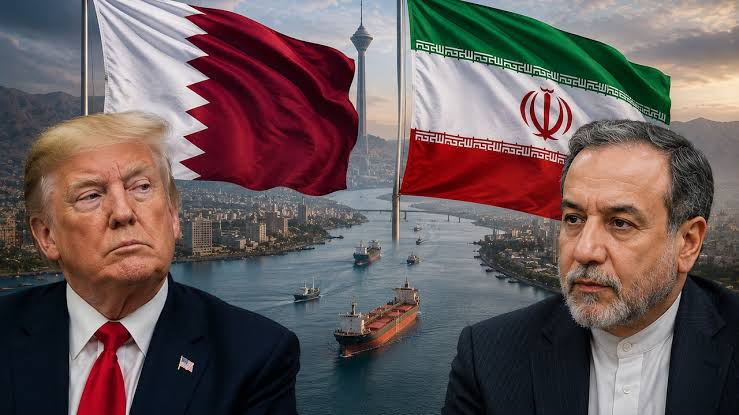
The geopolitical calculus has been further complicated by the unpredictable shifting strategy of the White House. While President Trump has maintained a highly aggressive posture regarding the war with Iran, his administration has also demonstrated a willingness to explore diplomatic off-ramps under the right conditions. This dual-track approach of maximum pressure combined with occasional diplomatic openings has kept regional observers on high alert.
Recently, the administration surprised international observers by canceling projected military steps after receiving a set of draft proposals from Qatari and Pakistani mediators. This sudden decision has provided a brief window of opportunity for the diplomatic track to gain traction. Representatives in Doha are racing against the clock to transform this temporary lull into a formalized framework, knowing that the White House’s patience is highly limited and subject to sudden changes based on domestic political pressures.
Public Posturing Versus Private Realities
One of the greatest challenges facing the mediation team in Doha is the stark disconnect between the public statements of the belligerents and their private willingness to negotiate. Official channels in Tehran frequently issue outright denials, and recent denials from Tehran have attempted to downplay the existence of any direct or indirect bilateral dialogue with Washington. Such public denials are primarily intended for domestic consumption and to project strength to regional allies.
Yet, behind the scenes, the reality is entirely different. Documents are being exchanged, and technical experts from both sides are engaged in intense, iterative reviews of proposed agreements. Negotiators in Doha are well-accustomed to this diplomatic theater, choosing to ignore the public rhetoric and focus entirely on the substance of the written drafts being transmitted through the backchannels.
Comparative Positions of Global Powers and Regional Mediators
To understand the intricate dynamics of the ongoing peace efforts, it is helpful to analyze the distinct motivations and leverage points of the key actors involved. The following table outlines the strategic priorities of the primary parties engaged in or mediating the current conflict:
| Country / Entity | Primary Strategic Goal | Key Mediating Position | Current Leverage Point |
|---|---|---|---|
| United States | Dismantle nuclear expansion; reopen maritime routes | Demand full compliance and verification before lifting sanctions | Al-Udeid Air Base presence and carrier strike groups |
| Iran | Lift crushing embargoes; preserve regional influence | Condition-free initial talks; resist direct US negotiations | Control over Strait of Hormuz and proxy network strength |
| Qatar | Avert domestic energy vulnerability; balance US alliance with Iran | Active backchannel message passing; host technical panels | Shared natural gas fields with Iran; strategic ties to Washington |
| Oman / Pakistan | De-escalate regional trade blockades; stabilize energy markets | Jointly coordinate draft peace frameworks and bilateral pathways | Neutral diplomatic history; maritime access routes |
The Fragile Path Toward a Long-Term Resolution
As the mediation efforts in Doha proceed, the international community remains deeply divided on the likelihood of a permanent breakthrough. The United Nations has expressed strong support for the trilateral mediation efforts of Qatar, Oman, and Pakistan, urging all involved parties to exercise maximum restraint. However, the path to peace remains fraught with significant obstacles, including deep-seated mutual distrust and the constant threat of spoilers who benefit from prolonged conflict.
Ultimately, the success of the Doha talks will depend on the willingness of both Washington and Tehran to make difficult political concessions. If a short-term de-escalation agreement can be secured, it could pave the way for broader negotiations on regional security, economic cooperation, and nuclear non-proliferation. Until then, the diplomats inside the air-conditioned palaces of Doha will continue their frantic, silent work, striving to cool the fires of a conflict that threatens to consume the entire region.