Iran is betting it can outlast Washington by choking trade routes 2026
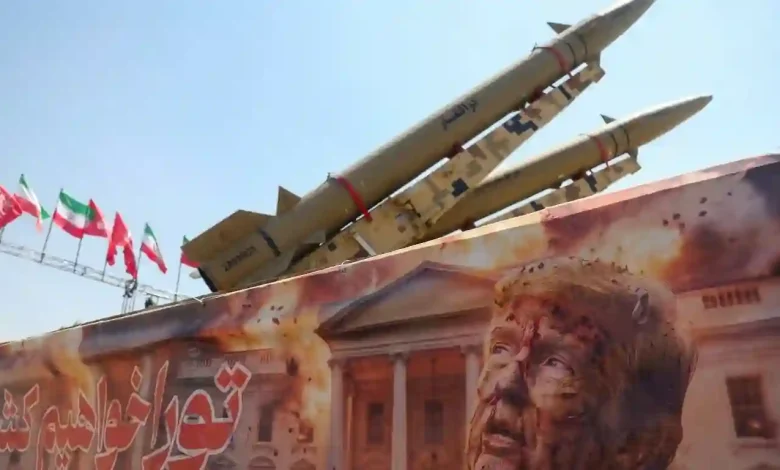
Table of Contents
Iran is betting it can outlast Washington by turning the Middle East’s trade routes, shipping lanes and energy infrastructure into pressure points that steadily raise the cost of confrontation, according to Gulf officials and analysts. Rather than seeking a decisive military victory, Tehran is pursuing a strategy of calibrated escalation aimed at widening the conflict without triggering full-scale war. As the geopolitical crisis reaches a tipping point, the Iran war Day 158 marks a critical juncture in the ongoing military confrontation. The strategic calculus in Tehran is built on a clear logic: while Iran cannot defeat the United States in a conventional head-on war, it can raise the systemic cost of containing the crisis beyond what Western capitals are willing or able to bear.
By putting multiple maritime chokepoints and energy assets at risk, Iran believes it can strengthen its hand in any future negotiations. The message from Tehran is that unless Washington accepts a new status quo that gives Iran a greater role in the region, the conflict will continue to spread beyond the Gulf. Through this lens, the primary theater of battle is not merely tactical, but deeply economic, designed to test the financial threshold of international coalitions and disrupt global supply chains.
The Endurance Gambit: Tehran’s Long-Term Calculus
Tehran’s long-term military doctrine has rarely relied on achieving a rapid, conventional battlefield victory over technologically superior adversaries. Instead, it is rooted in asymmetric deterrence and a prolonged battle of wills. Gulf officials note that the current escalation is deliberately paced. By utilizing proxies and deploying mobile, cost-effective technologies, Iran is able to maintain a high degree of operational flexibility while keeping its core state apparatus insulated from direct retaliation.
A Strategy of Calibrated Escalation
Calibrated escalation refers to the precise application of military pressure to achieve political concessions without crossing the threshold that would trigger a massive, direct invasion of the Iranian homeland. This requires an intricate understanding of Washington’s political and military tolerance. As the situation escalated, Donald Trump warns Iran of severe, asymmetrical retaliation if disruptions to commercial vessels in the Persian Gulf continue. Despite these warnings, the Islamic Revolutionary Guard Corps (IRGC) has continued to use asymmetric maritime operations to signal that no merchant corridor is safe. A recent incident involving a dry bulk vessel targeted off Oman’s coast illustrates this danger, mirroring earlier patterns where a Strait of Hormuz tanker was hit, forcing international crews to abandon their ships and sending shockwaves through the global shipping market.
The Economics of Containment vs. Accommodation
The ultimate objective of Tehran’s strategy is to shift the cost-benefit analysis of the United States and its European allies. By targeting the transit lanes of global trade, Iran forces the international community to choose between two highly undesirable options: either commit immense economic and military resources to maintain an indefinite naval blockade, or accommodate Iran’s regional demands. Gulf analysts believe that Tehran expects Western democratic nations, which are highly sensitive to rising energy prices and domestic inflationary pressures, to eventually choose accommodation over prolonged conflict.
Targeting Maritime Chokepoints Beyond the Strait of Hormuz
For decades, the Strait of Hormuz was viewed as Iran’s primary geopolitical trump card. However, the current strategy represents a significant expansion of this geographic focus. Tehran has signaled that no maritime chokepoint is off-limits, demonstrating a coordinated ability to disrupt traffic thousands of miles away from its physical shores. This expansive approach stretches Western naval resources thin and complicates the defense plans of regional security coalitions.
The Bab el-Mandeb Gateway Under Threat
The strategic threat is not confined to the Persian Gulf alone. With the Bab el-Mandeb gateway threatened by Yemen’s Iran-aligned Houthi rebels, a dual-chokepoint crisis has effectively materialized. The Houthis’ naval blockade on shipping routes in the Red Sea acts as a force multiplier for Tehran, restricting Saudi Arabia’s oil export alternatives and forcing commercial fleets to take the long route around Africa’s Cape of Good Hope. By coordinating attacks at both the Strait of Hormuz and the Bab el-Mandeb, Iran and its allies have established a virtual chokehold on the primary maritime trade routes linking Europe, Asia, and the Middle East.
Disrupting Saudi and Gulf Energy Infrastructure
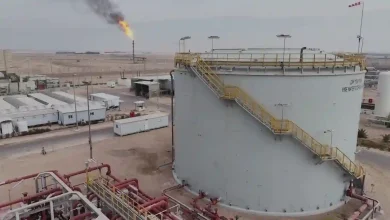
Beyond shipping lanes, Gulf energy infrastructure has increasingly become a target. Drone and missile strikes directed at regional oil terminals, refining facilities, and storage hubs are intended to demonstrate the vulnerability of the Arab Gulf states. This targeted pressure is designed to drive a wedge between Washington and its regional allies. By showing that the United States cannot fully protect Gulf energy infrastructure, Tehran hopes to convince regional capitals to pursue direct, bilateral accommodation with Iran rather than relying on a fading American security umbrella.
Comparing the Impacts of the Conflict
The asymmetrical nature of this conflict is best understood by comparing the strategic methods, tools, and vulnerabilities of both sides. While the United States relies heavily on conventional military superiority and economic sanctions, Iran leverages geographical proximity, proxy networks, and low-cost disruptive technologies to level the playing field.
| Strategic Dimension | United States & Coalition Approach | Islamic Republic of Iran Approach |
|---|---|---|
| Primary Objective | Restore freedom of navigation, deter proxy strikes, and enforce economic blockades to compel diplomatic compliance. | Reshape the status quo in the Strait of Hormuz and force Washington to accommodate Tehran’s regional security role. |
| Military Tactics | Precision airstrikes, naval escorts, drone interceptions, and deployment of multi-national task forces. | Calibrated escalation, drone attacks, adaptive ballistic missiles, and naval mining of key maritime arteries. |
| Geographic Scope | Concentrated around military sites, nuclear facilities, and primary defensive shipping lanes. | Stretched across multiple maritime chokepoints including the Red Sea, the Gulf of Aden, and regional energy grids. |
| Economic Leverage | Sanctions, asset freezes, and global diplomatic isolation. | Asymmetric targeting of commercial vessels, driving up global insurance premiums and oil prices. |
The Rising Economic Toll on Washington and Regional Allies
Maintaining a massive naval presence in the Red Sea and the Gulf of Oman is an incredibly expensive endeavor. According to recent defense analyses, the cumulative U.S.-Iran war costs have climbed to unprecedented heights, generating massive strain on Washington’s defensive operations in the region. This economic burden is a primary feature of Iran’s strategy. By forcing the United States to deploy carrier strike groups and fire million-dollar interceptor missiles at cheap loitering munitions, Iran successfully shifts the financial balance of the conflict in its favor.
Furthermore, the collateral damage to the global economy continues to accumulate. Insurance premiums for commercial vessels transiting the Middle East have surged to prohibitive levels, forcing many shipping giants to abandon these routes altogether. The resulting delays in global supply chains, combined with elevated fuel costs, have sparked fears of structural, long-term inflation in major importing nations. This systemic economic pain is precisely what Tehran intends to leverage to bring Washington back to the negotiating table on more favorable terms.
Diplomatic Backchannels and Trump’s Stance
Despite the intensifying military exchanges, diplomatic backchannels remain active, though highly fragile. Mediators such as Qatar and Oman have worked tirelessly to establish a framework for dialogue, attempting to broker a sustainable ceasefire. However, the path to peace is obstructed by deeply entrenched political positions on both sides, with each nation attempting to negotiate from a position of maximum strength.
In the diplomatic arena, the standoff remains deeply entrenched. Reports show that Iran rejects Trump’s proposals for immediate bilateral discussions, insisting that any diplomatic headway is contingent on the complete cessation of Western naval operations in the Gulf. This rigid posture has been maintained even as international forces increase surveillance, recently intercepting an Iranian commercial ship suspected of transporting military hardware to regional proxies. To bypass Western defenses, Iran adapts ballistic missiles with advanced terminal guidance systems designed to bypass American naval Aegis combat systems. This continuous technological adaptation ensures that Tehran retains the capacity to threaten both military assets and commercial energy grids throughout the region.
The Geopolitical Ramifications of a Prolonged Siege
A prolonged conflict of attrition has deep structural consequences for the broader geopolitical alignment of the Middle East. For years, regional powers like Saudi Arabia and the United Arab Emirates have sought to balance their security dependence on the United States with pragmatism toward their powerful northern neighbor. As the confrontation drags on without a clear resolution, these states are forced into a difficult position, balancing the risk of direct Iranian retaliation against the uncertain guarantees of American deterrence.
Additionally, global powers like China are watching the conflict with growing concern. As one of the largest consumers of Middle Eastern crude oil, Beijing is highly vulnerable to prolonged disruptions in the Strait of Hormuz. While China has maintained close diplomatic and economic ties with Tehran, a total collapse of Gulf stability would severely damage its economic interests. This dynamic adds a complex layer of international diplomacy to the crisis, as Washington and Beijing must navigate their own rivalry while dealing with the fallout of Iran’s asymmetric campaign.
Conclusion: A War of Attrition with Global Consequences
Ultimately, Iran’s endurance strategy presents a formidable challenge to traditional Western military doctrine. By avoiding a decisive, large-scale confrontation and instead focusing on calibrated, economic-centric pressure points, Tehran has created a situation where conventional military superiority is difficult to leverage effectively. The ongoing battle is not just about control over shipping lanes, but about who possesses the political and economic resilience to withstand a prolonged global crisis.
As long as Tehran believes it can absorb the costs of confrontation more effectively than the international community can tolerate the disruption of global trade, the cycle of calibrated escalation is likely to persist. For Washington and its allies, breaking this cycle will require a strategy that addresses both the immediate security threats in the water and the deeper, underlying economic and diplomatic calculations that drive Tehran’s regional ambitions.