The Immediate Fallout of the Escalating US-Iran Conflict 2026
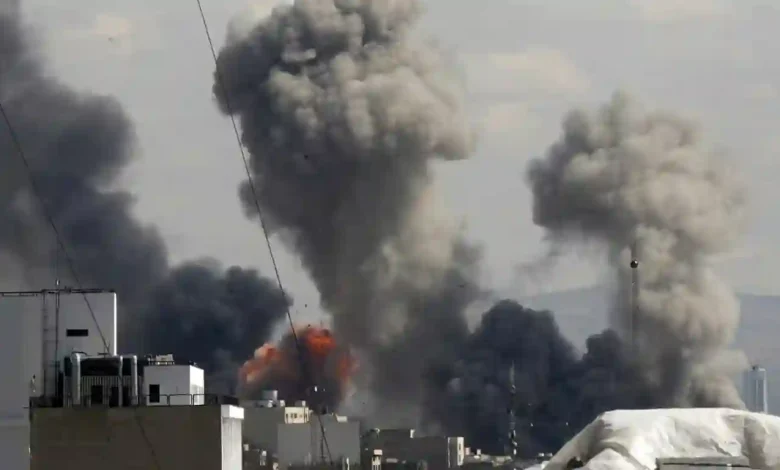
Table of Contents
The Immediate challenges facing the international community in mid-2026 are dominated by the volatile escalations in the Middle East. Over the past several months, military exchanges between United States forces and Tehran-backed coalitions have pushed the global economy to a knife-edge. As analysts assess the long-term ramifications, the focus remains squarely on the volatile security environment, as the conflict on day 145 showcased a dramatic uptick in both aerial bombardments and reactive kinetic deployments. What began as localized border skirmishes has transformed into a high-stakes chess match involving global powers, major energy cartels, and crucial shipping routes that sustain modern civilization.
Understanding this conflict requires a deep dive into the underlying geopolitical architecture of the Persian Gulf. For decades, the relationship between Washington and Tehran has fluctuated between frozen hostility and open confrontation. However, the developments of recent weeks have crossed historical red lines, turning a cold war into a hot, unpredictable conflict that threatens to reshape security alliances across Europe, Asia, and the Americas.
2. Military Escalation and the Strait of Hormuz
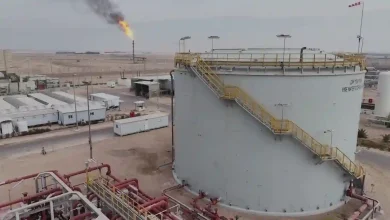
At the heart of this confrontation lies the strategic maritime corridor. Control over the regional waterways has repeatedly been used as leverage. Observers are particularly focused on the threat of complete closure, as discussions over vessel transit in the Strait of Hormuz became a pivotal talking point during international emergency summits. If this passage is fully compromised, nearly a fifth of the world’s petroleum supply could be stranded. Military experts argue that Iran’s escalation in the maritime zone is designed to deter direct intervention by raising the economic costs of war for Western allies.
The military strategies deployed by both sides reflect a modern doctrine of asymmetric warfare. While the United States relies heavily on its state-of-the-art carrier strike groups, precision-guided munitions, and stealth drone surveillance, Iran counterbalances this conventional superiority with a highly sophisticated network of anti-ship cruise missiles, swarm boat tactics, and proxy forces capable of striking key infrastructure across the Arabian Peninsula. This delicate but dangerous balance means that any miscalculation by a local commander could trigger a chain reaction of retaliation that neither side can easily halt.
3. Disruptions in Maritime Trade Corridors
The strategic value of the Strait of Hormuz cannot be overstated. Unlike other maritime chokepoints that have alternative routes, there is no viable bypass for the massive volume of crude oil and liquefied natural gas (LNG) that exits the Persian Gulf daily. While some pipelines exist across Saudi Arabia and the United Arab Emirates, their combined capacity is far too small to absorb the deficit of a prolonged blockade. As commercial shipping lines suspend operations or divert vessels around the Cape of Good Hope, the global supply chain is facing delays that echo the worst periods of the early-2020s shipping crises.
4. Global Economic Implications and Energy Volatility
The economic ripple effects are already being felt globally. Energy analysts warn that a prolonged blockade or continuous airstrikes will trigger severe volatility across international markets. Indeed, detailed economic models warn that inflation threatens economy as war in Iran looms over standard trade networks, driving up the costs of consumer goods, manufacturing, and transport. This inflationary pressure is compounded by the fact that insurance premiums for commercial vessels in the Persian Gulf have surged to record highs, forcing many transport firms to reconsider their routes entirely.
Furthermore, the volatility is not limited to fossil fuels. The modern global economy relies on a complex web of interconnected supply chains where energy prices directly dictate the cost of fertilizer, food production, and technology manufacturing. A sustained spike in oil and gas prices acts as a regressive tax on consumers worldwide, reducing purchasing power and pushing developing nations closer to sovereign debt defaults. Central banks, which have spent years trying to stabilize interest rates, now face the nightmare scenario of stagflation—stagnant economic growth coupled with rapidly rising prices.
5. Crude Oil Price Spikes and Inflationary Pressures
The immediate reaction of the oil markets to the initial exchange of strikes was a sudden, violent surge in Brent Crude and West Texas Intermediate (WTI) benchmarks. Speculators, fearing a protracted denial of access to Gulf terminals, pushed prices past key psychological thresholds. While strategic petroleum reserves have been tapped by Western nations to temporarily mute the shock, these reserves are finite. Long-term market stability depends entirely on the restoration of safe passage for commercial fleets and the cessation of military hostilities near production fields.
6. Summary of Key Conflict Indicators
To better grasp the current situation, the following table outlines the comparative metrics of global economic and security parameters before the escalation compared to the current peak levels observed in August 2026.
| Metric Evaluated | Pre-Conflict Baseline | Current Peak (August 2026) | Projected Impact (Escalation) |
|---|---|---|---|
| Brent Crude Oil (per barrel) | $75.00 | $115.00 | $140.00+ |
| Hormuz Shipping Volume | ~20.5M barrels/day | ~11.0M barrels/day (disrupted) | < 3.0M barrels/day |
| Gulf Maritime Insurance Premiums | Standard Rate | +450% Surcharge | +1000% / Uninsurable |
| Global Inflation Forecast | 2.4% Average | 4.8% Average | 7.2% Average |
7. Covert Operations and Military Strategies
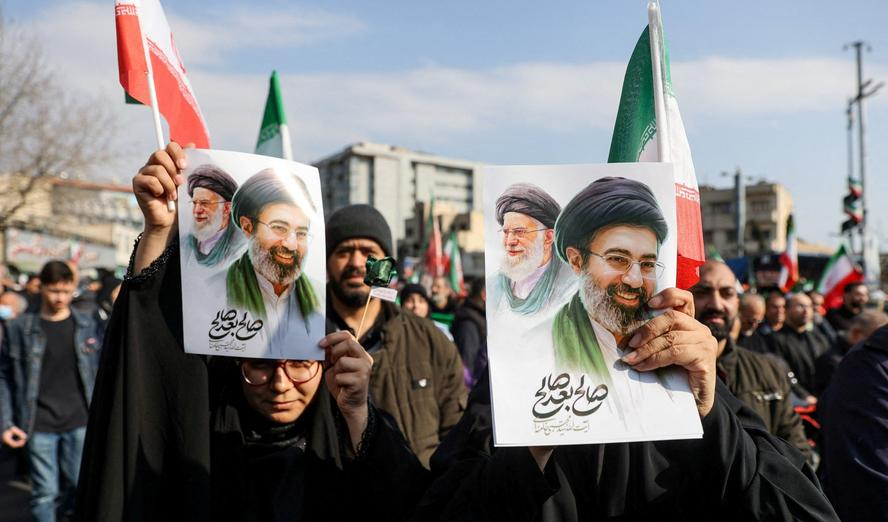
Behind closed doors, military planners have prepared various contingencies. Highly sensitive intelligence briefings leaked to the public suggested that extensive plans for planned attacks on Iran had been drafted by coalition forces to neutralize missile launch sites along the coast. In response to these leaks, Tehran formally accuses the US and its partners of actively planning an unlawful invasion, further complicating any remaining backchannel discussions and driving both nations closer to the brink of an all-out war.
At the same time, cyber warfare has emerged as a primary front in this conflict. State-sponsored hacking groups have launched coordinated attacks against critical infrastructure, targeting electrical grids, financial institutions, and maritime tracking systems. These digital operations are designed to sow confusion and disrupt communication networks without crossing the threshold that would justify an immediate, kinetic military response. This grey-zone warfare makes attribution difficult and increases the risk of unintended escalation as defense systems struggle to differentiate between technical glitches and hostile cyber offensives.
8. Diplomatic Maneuvers and Ceasefire Initiatives
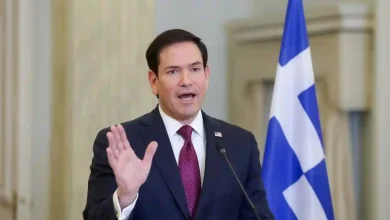
Despite the high-stakes military posture, there are glimmers of diplomatic pragmatism. Recently, the White House decision to halt planned military offensives has briefly quieted the skies over the Persian Gulf, providing a narrow window of opportunity for neutral mediators. Countries like Qatar and Oman have stepped in to facilitate communication, urging both sides to consider a structured de-escalation plan. However, the resumption of critical diplomatic negotiations with Iran remains the only viable mechanism to secure long-term stability and prevent a catastrophic regional war.
These diplomatic channels, while fragile, represent the thin line between a managed crisis and an unmitigated disaster. European diplomats have been working tirelessly to construct a framework that addresses both regional security concerns and maritime freedom of navigation. The primary challenge remains building trust between parties that have spent years dismantling previous agreements, such as the Joint Comprehensive Plan of Action (JCPOA). Without a verifiable inspection regime and reciprocal sanctions relief, any diplomatic breakthrough is likely to be temporary at best.
9. Looking Forward: The Path to Resolution or Ruin
The international community stands at a historic crossroads. The decisions made in the coming weeks will determine whether the Middle East descends into a multi-theater conflict with devastating global consequences or if diplomatic pragmatism can prevail. The immediate priority must be the securing of maritime trade routes and the establishment of reliable crisis-communication hotlines to prevent accidental military clashes. Only by addressing the root causes of regional instability—ranging from economic sanctions to proxy warfare—can a sustainable framework for peace be established.
As the situation continues to evolve rapidly, global markets and citizens alike remain on high alert. The resilience of the international order is being tested in ways not seen in decades, and the outcome remains deeply uncertain.
References & Authority Citations: