Al-Aqsa Martyrs Hospital Strike Destroys Vital Gaza Medicine 2026
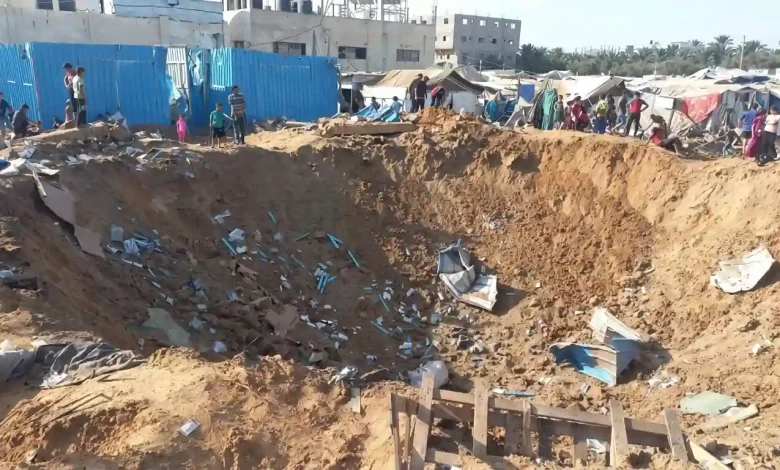
Table of Contents
Al-Aqsa Martyrs Hospital, located in Deir al-Balah in central Gaza, has faced a devastating blow following a targeted Israeli airstrike. The incident, which occurred in the central-southern area of the Gaza Strip, has obliterated two primary warehouses dedicated to storing critical medicines and life-saving pharmaceuticals. According to statements released by the Palestinian Health Ministry in Gaza, this targeted escalation represents one of the most severe blows to the region’s fragile healthcare ecosystem in recent months. While early reports indicate there were no immediate physical casualties from the blast itself, the destruction of these resources has left the medical center in an existential struggle to sustain its daily operations.
For years, the medical facilities in Gaza have functioned under extreme duress, relying on tightly controlled shipments of medicine and clinical consumables. The loss of these warehouses disrupts a precarious supply chain, directly threatening the survival of hundreds of patients. Outpatient clinics and secondary storage units also suffered severe damage during the incident, showcasing the far-reaching physical impact of the bombardment on vital civil infrastructure.
Anatomy of the Strike: What Happened in Deir al-Balah?
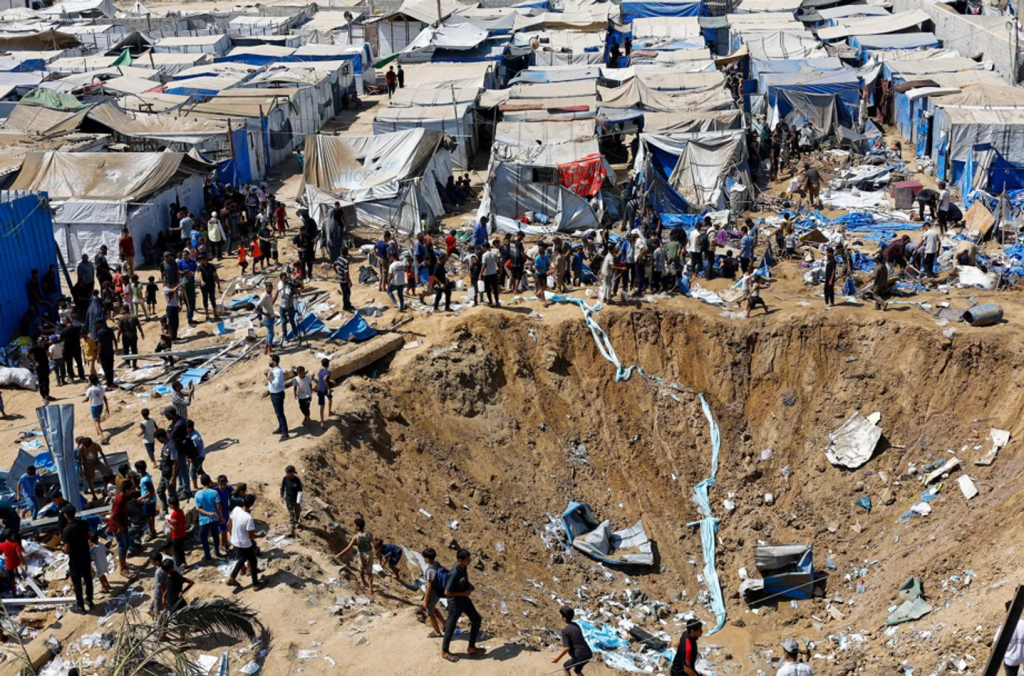
The strike took place in the early hours of Saturday, August 1, 2026, catching medical staff and sheltering families off guard. According to eyewitnesses and administrative staff, Israeli fighter jets launched guided munitions directly targeting the storage facilities adjacent to the hospital. The impact created a massive crater, completely leveling two warehouses and causing structural collapse in two others nearby.
Deir al-Balah has historically served as a central hub for displaced families escaping combat zones in northern and southern Gaza. Because of its relatively central location, Al-Aqsa Martyrs Hospital has been forced to operate far beyond its designed capacity. The sudden destruction of its storage units compound these pressures, turning a localized tactical strike into a wide-ranging humanitarian crisis that reverberates throughout the entire central governate.
Target of the Attack: Critical Medical Supplies Lost
Inside the leveled structures was a carefully managed stockpile of essential pharmaceuticals. These warehouses housed thousands of units of specialized intravenous fluids, sterile surgical equipment, oncology drugs, and chronic disease medications. Hospital administrators reported that 100% of the contents within the two primary warehouses were instantly vaporized or rendered completely unusable due to contamination and exposure to toxic dust.
The loss represents not just a financial deficit but a clinical vacuum. Many of these items cannot be easily replaced due to ongoing transit blockades at regional crossings. Without access to these basic clinical supplies, medical professionals are forced to make desperate choices regarding patient triaging, ration remaining supplies, and suspend highly sensitive treatments indefinitely.
| Medical Category | Items Stored | Post-Strike Condition | Clinical Impact / Consequences |
|---|---|---|---|
| Dialysis Treatment Kits | Intravenous solutions, tubes, filters for kidney patients | Completely Destroyed (Warehouses 1 & 2) | Immediate disruption of dialysis protocols for hundreds of chronic patients |
| Wound Care & Surgery | Gauze, sterile bandages, antiseptics, sutures | Completely Destroyed | Inability to perform routine treatments and emergency surgeries |
| Chemotherapy Drugs | Oncology vials, specialized administration sets | Severely Damaged / Loss of Cold Chain | Suspension of active cancer therapies |
| Outpatient Clinic Equipment | Diagnostic tools, patient beds, basic testing materials | Severe Structural Damage | Suspension of outpatient consultations and daily checkups |
Impact on Dialysis and Outpatient Medical Care
Among the most devastating losses was the complete destruction of supplies dedicated to kidney failure patients. Dialysis is an uncompromising, highly technical treatment that requires continuous access to specific chemical solutions, sterile tubes, and filters. Al-Aqsa Martyrs Hospital serves hundreds of chronic kidney disease patients who rely on multiple dialysis sessions per week to stay alive. Missing even a single session can lead to rapid toxin accumulation, severe physiological distress, and eventual death.
Furthermore, the physical destruction of the outpatient clinic severely curtails the hospital’s capacity to deliver daily consultation services. Under normal circumstances, the outpatient division treats thousands of local residents for minor injuries, infections, and chronic disease monitoring. With this facility now out of commission, the burden shifts entirely to the emergency ward, which is already overwhelmed with trauma cases from the ongoing military offensive.
Eyewitness Accounts and Immediate Humanitarian Reactions
Local residents and healthcare providers have expressed profound despair following the overnight strike. Dr. Khalil Al-Daqran, a spokesperson for the hospital, emphasized that targeting medical storage facilities is tantamount to passing a death sentence on vulnerable patients. “The occupation forces are no longer just targeting buildings or physical structures; they are systematically destroying the very means of survival for our patients,” Al-Daqran stated in an emotional address.
Nurses and doctors described scenes of intense panic as the blast shook the entire hospital campus, shattering windows and triggering emergency alarms. In the immediate aftermath, staff members rushed into the smoke-filled ruins in a desperate attempt to salvage boxes of medicine, only to find most of the storage areas completely flattened and buried under tons of concrete.
Displaced Families and Shelter Destruction
The impact of the airstrike was not limited to the hospital’s clinical assets. Due to the severe lack of safe spaces in Gaza, thousands of displaced families had erected temporary makeshift tents immediately adjacent to the hospital walls, believing that the medical compound’s protected status under international law would offer a degree of safety. The blast destroyed dozens of these tents, leaving families without even basic shelter and forcing them to flee once again into the ruins of central Gaza.
Fatima Sharab, a displaced woman who was sheltering with her children near the warehouses, described the terrifying moment of the attack: “There was a massive explosion, and the ground shook violently. Our tent was torn to shreds, and we were covered in dust and debris. We don’t know where to go now; there is literally no safe place left in this entire strip.”
Conflicting Claims: Israel Defense Forces vs. Gaza Health Ministry
Several hours after the strike, the Israel Defense Forces (IDF) issued a formal statement addressing the incident. According to the military, the strike targeted a specific Hamas operational hideout and weapons storage depot located in close proximity to the hospital compound. The IDF asserted that Hamas continues to use civilian infrastructure, including medical campuses, to store armaments and plan tactical maneuvers.
In stark contrast, the Gaza Health Ministry and hospital directors vehemently denied the military’s claims. They maintained that the destroyed structures were strictly used for storing pharmaceutical supplies and were registered as humanitarian assets. This debate highlights the deep trust deficit and the complex negotiations surrounding Hamas disarmament that continue to stall international diplomatic efforts.
Israel’s Direct Target Allegations
The IDF’s strategic focus on central Gaza has intensified in recent weeks, with military planners claiming that decentralized militant cells are operating within urban centers. While the military insists it takes precautions to minimize collateral damage to adjacent hospital wards, the physical destruction of medical storage complexes raises critical questions about the criteria used to define military targets.
As Hamas asserts political authority and maintains administrative control over various civic institutions in Gaza, the overlap between civil administration and military command structures remains a central flashpoint. International analysts warn that treating dual-use or contiguous civil areas as legitimate military targets inevitably results in the catastrophic erosion of the civilian health network.
Healthcare as a Military Target: The Regulatory Red Line
Under International Humanitarian Law, specifically the Fourth Geneva Convention, hospitals and medical transport are afforded strict protections during armed conflicts. The deliberate targeting of healthcare facilities or actions that directly lead to their collapse are classified as grave breaches of international law. Human rights organizations argue that even if military targets are present nearby, the principle of proportionality must govern any military operation.
The physical destruction of the Al-Aqsa Martyrs Hospital warehouses represents a serious test of these legal frameworks. The loss of medicine affects non-combatants, including infants, pregnant women, and the elderly. When essential clinical resources are destroyed, the civilian population suffers disproportionately, further complicating regional diplomatic efforts to restore basic compliance with humanitarian norms.
Systematic Collapse of the Gaza Healthcare Infrastructure
The destruction in Deir al-Balah does not occur in a vacuum; it is part of a broader, systemic degradation of Gaza’s healthcare system. Over the past year, multiple hospitals have been forced offline due to structural damage, acute fuel shortages, and direct military incursions. The remaining institutions are operating on emergency power generators, using expired medicines, and performing complex surgical procedures without proper anesthesia.
This systemic breakdown occurs against a backdrop of wider regional instability. Human rights monitors warn that continuing down this path of unrestrained warfare will yield no sustainable outcome, characterized by many as military actions leading to a strategic dead end for all parties involved. Without immediate, unfettered access to humanitarian corridors, the complete collapse of the medical sector remains imminent.
Medical Deprivation Amid Broader Conflict Ceasefire Failures
The inability of international mediators to secure a lasting truce has directly contributed to the ongoing destruction of civilian life. Every failure to establish a sustainable peace agreement leads to further escalation, dragging regional players deeper into the fray. Efforts to negotiate a ceasefire have repeatedly collapsed due to mutual distrust, even in agreements and frameworks where Hamas agrees to partial terms but struggles to align on long-term security guarantees.
This diplomatic paralysis is mirrored by regional diplomatic breakdowns that have escalated tensions across the Middle East. As long as these high-level negotiations remain deadlocked, civilian infrastructure on the ground will continue to bear the brunt of the violence, and critical lifelines like the Al-Aqsa Martyrs Hospital will remain highly vulnerable to collateral destruction.
Geopolitical Context and Regional Implications of Continued Hostilities
The conflict in Gaza is deeply intertwined with a wider regional chess game involving multiple state and non-state actors. The ongoing hostilities have affected international maritime routes, energy markets, and global financial projections. Financial analysts tracking the situation often refer to broader Middle Eastern stability and economic forecasts as indicators of how a prolonged localized war can trigger widespread global economic shocks.
Furthermore, regional powers are actively engaged in coordinating a multi-front regional strategy, expanding the scope of the conflict far beyond the borders of Gaza. This multi-front escalation is fueled by the rapid proliferation of advanced military hardware and asymmetric capabilities, which makes achieving a localized, stable ceasefire in Gaza even more complex and elusive for international mediators.
Chronology of Medical Facility Targeting in the Region
The targeting of medical storage units and clinical facilities has become an alarming pattern throughout this conflict. From northern Gaza’s primary medical complexes to central clinics, the systematic reduction of available hospital beds has reached critical levels. Human rights groups document these incidents to build a comprehensive timeline for future international legal reviews.
The current state of Al-Aqsa Martyrs Hospital is a stark reminder of the human cost of modern urban warfare. Until robust, legally binding protections are enforced and diplomatic solutions prioritized, the patients of Deir al-Balah will continue to face an uphill battle for survival in a landscape devoid of basic medical security.