US embassies issue Middle East alerts after Trump threatens Iran 2026
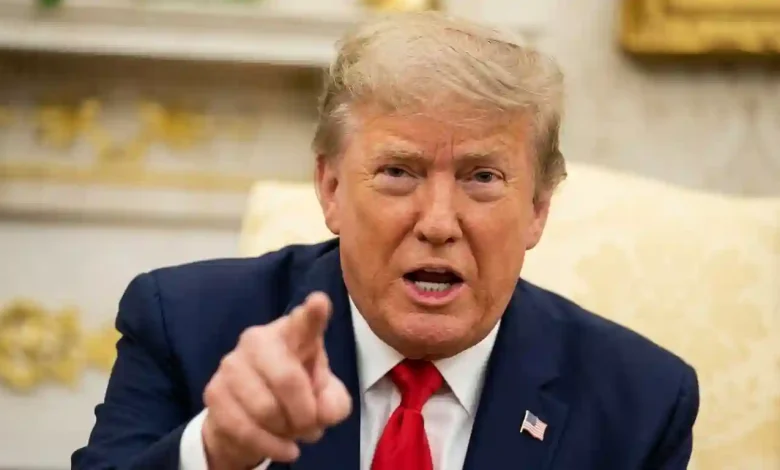
Table of Contents
US embassies across the Middle East have issued urgent, high-level security warnings to American citizens, advising them to exercise extreme caution and consider departing the region immediately. This sweeping warning comes in response to rising geopolitical friction and recent statements from President Donald Trump, who vowed that the United States would be “hitting Iran hard” if regional tensions continued to mount. The coordinated alerts, published by diplomatic posts in over half a dozen regional capitals, signaled a growing fear of “unforeseen escalation” that could severely disrupt travel, close airspace, and invite retaliatory actions against Western interests. As rumors of joint U.S.-Israeli strikes on Iranian energy infrastructure circulated throughout international intelligence circles, the warnings became a tangible manifestation of a conflict on the brink of absolute expansion.
Historical Context: The Long-Standing Iran-US Friction
To understand the current security alert, one must examine the broader iran-us conflict that has characterized the geopolitical landscape for several months. Ever since the collapse of the prior memorandum of understanding, hostilities have fluctuated dramatically between temporary ceasefires and direct tactical exchanges. By early August, as the iran war day 153 commenced, both nations found themselves caught in a dangerous cycle of action and reaction. While military commanders on both sides initially claimed to seek deterrence, the persistent targeting of maritime corridors and strategic assets has repeatedly pulled both Washington and Tehran back to the edge of full-scale war.
This persistent friction is not merely a localized dispute; it carries profound implications for the global balance of power. Over the past several weeks, the white house debated escalation strategies designed to neutralize Iran’s retaliatory capabilities. Defense planners have worked overtime to outline potential targets, including air defense networks and command hubs. However, each escalatory step has triggered a symmetrical response from Tehran’s regional allies, which has made diplomatic resolution increasingly difficult to achieve. This cycle of escalation has raised concerns that any minor miscalculation could trigger a catastrophic conflict, threatening global stability.
Strategic Communications: Rhetoric from Camp David
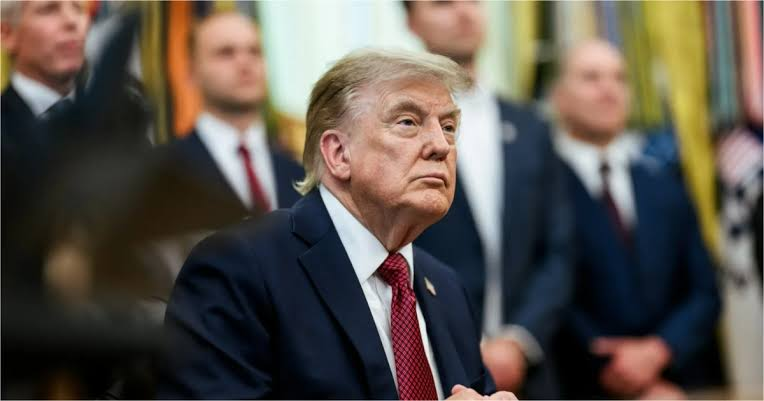
The immediate catalyst for the embassy alerts was a series of pointed comments delivered by President Trump during a highly publicized camp david cabinet meeting. Addressing the media, Trump asserted that the United States would not tolerate further aggression and would hit Iranian targets “very hard” until they decided to seek a permanent diplomatic settlement. “At some point, they are going to say, ‘We just can’t take it anymore,'” Trump proclaimed, suggesting that a sustained campaign of economic and military pressure would ultimately force Tehran to capitulate. This aggressive rhetoric was echoed by key figures within the administration, including Defense Secretary Pete Hegseth, who openly declared that the military was prepared to carry out “strong and clear” strikes if negotiations failed to produce immediate results.
In the days leading up to this declaration, reports suggested that trump considered massive strikes that would target Iran’s primary energy infrastructure, such as oil refineries and critical power plants. Defense officials argued that degrading these economic engines would effectively cripple the regime’s ability to fund its regional operations. However, critics of this strategy warned that such strikes would inevitably lead to an uncontrolled regional conflagration. They cautioned that hitting energy nodes would not only unify hardline factions within Iran but also trigger immediate retaliation against American allies in the Persian Gulf, thereby defeating the primary objective of securing long-term regional stability.
The Embassy Alerts: Directives to American Citizens
Following the administration’s public declarations, the U.S. Department of State took the preemptive step of issuing security warnings through its embassies in Bahrain, Iraq, Israel, Jordan, Kuwait, Lebanon, Oman, Qatar, Saudi Arabia, and the United Arab Emirates. The alerts specifically urged American citizens to “consider departing” or be fully prepared to depart should an unforeseen escalation materialize. The diplomatic messages cited high risks of flight cancellations, sudden airspace closures, and regional travel disruptions, reflecting the acute level of tension within the executive branch. This coordinated effort sought to prevent a scenario where hundreds of thousands of civilians would be trapped in the event of an abrupt military campaign.
The threat level was heightened by reports of iran attacks on us bases in neighboring countries. These attacks, often carried out via drone swarms or ballistic missiles, served as a stark reminder that U.S. installations remain highly vulnerable to asymmetric warfare. By warning citizens to seek overhead cover and prepare for immediate evacuation, the embassies demonstrated that the administration was taking the prospect of a widespread regional conflict seriously, even as diplomatic channels remained open in the background.
Analyzing Al Jazeera’s On-the-Ground Report
Despite the high-stakes rhetoric and the subsequent embassy warnings, Al Jazeera’s veteran correspondent Mike Hanna reported from Washington that there were no clear signs a strike was actually imminent. Hanna emphasized that while the diplomatic alerts were a necessary precautionary measure, the actual operational posture of U.S. forces in the region did not indicate an immediate launch of a major offensive. This assessment highlighted the dual-track nature of the administration’s strategy: utilizing aggressive public messaging to maximize leverage while maintaining a degree of caution on the ground to prevent accidental escalation.
This reporting is corroborated by international observers who note that a unilateral strike without clear international consensus could isolate the United States. According to Al Jazeera’s coverage of the canceled strikes, the administrative posturing was largely designed to force Tehran’s hand in ongoing back-channel negotiations. By presenting a credible threat of devastating military action, Washington hoped to compel Iranian negotiators to accept a comprehensive framework that would address maritime security, regional proxy activities, and nuclear enrichment parameters without actually having to fire a shot.
A Sudden Shift: Diplomatic Backchannels and Canceled Attacks
In a dramatic turn of events late Saturday night, President Trump announced on his social media platform that he had officially canceled the planned military strikes on Iran. He revealed that the “perimeters of a deal” had been reached following intense diplomatic pressure from regional partners. This sudden de-escalation followed a crucial phone call from Saudi Crown Prince Mohammed bin Salman, who reportedly urged Trump to refrain from launching strikes and instead prioritize regional stability. The Crown Prince expressed deep concern over the potential fallout of a major war, emphasizing that the destruction of Iranian energy assets would inevitably trigger a regional economic catastrophe.
This breakthrough was made possible through complex us-iran diplomacy that has been operating quietly behind the scenes. Although public statements from both sides remained highly combative, negotiators in neutral capitals have been working tirelessly to establish a framework for peace. According to Trump, the newly agreed-upon perimeters would ensure the immediate, complete, and total opening of the Strait of Hormuz, effectively ending a months-long blockade that has severely restricted global commerce. While Tehran has yet to officially comment on the details of this potential agreement, the cancellation of the strikes offers a temporary sigh of relief for a region that was on the precipice of war.
Economic Implications: Oil and Maritime Vulnerabilities
The threat of a major conflict between the United States and Iran has sent shockwaves through global financial markets, particularly affecting energy sectors. Any major military escalation in the Persian Gulf directly threatens the flow of energy resources, as seen during recent disruptions involving tankers in the Strait of Hormuz. Because nearly a fifth of the world’s oil passes through this narrow choke point, even the minor threat of a military blockade can lead to massive crude oil prices spikes, impacting businesses and consumers worldwide. The strategic vulnerability of this maritime passage has long been used by Tehran as a powerful counter-leverage against Western economic sanctions.
To illustrate the gravity of the situation, the following data table outlines the escalation of conflicts and their direct impacts on global energy and security indicators over the past several weeks:
| Date | Day of Conflict | Key Military / Diplomatic Event | Regional Impact |
|---|---|---|---|
| July 25, 2026 | Day 147 | Trump considers massive strikes on Iranian facilities | Crude oil spikes, global anxiety increases |
| July 26, 2026 | Day 148 | White House debates military escalation scenarios | Defense preparedness elevated across bases |
| July 29, 2026 | Day 151 | Back-channel diplomacy attempts falter momentarily | Localized exchanges of fire resume |
| August 1, 2026 | Day 153 | US embassies issue Middle East-wide security warnings | Americans urged to consider immediate departure |
| August 1, 2026 | Day 153 | Trump vows to hit Iran hard during Cabinet meeting | Global markets react; joint strike rumors peak |
| August 2, 2026 | Day 154 | Trump announces cancellation of strikes, citing deal framework | Brief diplomatic relief; verification efforts begin |
As demonstrated by this data, the threat of escalation directly correlates with increased economic volatility. The targeting of commercial vessels and the subsequent naval blockades have forced shipping companies to seek alternative, far more expensive routes, driving up the cost of global goods. Therefore, securing a stable agreement that guarantees the freedom of navigation through the Strait of Hormuz remains a primary objective not just for Washington, but for the entire international community.
Future Strategic Outlook for the Middle East
As the region transitions from the immediate threat of airstrikes to the delicate phase of diplomatic verification, the long-term outlook remains highly uncertain. Hardline factions within Iran, particularly those aligned with the Paydari movement, continue to advocate for a policy of resistance, arguing that any concessions to the West will only invite further pressure. Conversely, more moderate pragmatic figures like Ali Larijani have emphasized the necessity of economic relief and strategic pragmatism. The internal power struggle within Tehran will play a decisive role in determining whether the “perimeters of a deal” announced by President Trump can be successfully codified into a lasting peace treaty.
Ultimately, the events of early August 2026 demonstrate that deterrence in the modern Middle East is a highly fragile construct. While the threat of hitting Iran “hard” may have successfully brought negotiators back to the table, the risk of a miscalculation remains incredibly high. Until a formal, verifiable agreement is signed and implemented, U.S. embassies will likely remain on high alert, and the global community will continue to watch the region with a mixture of hope and apprehension.