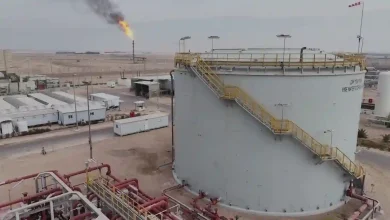
IRGC Targets US Base in Kuwait as Gaza Peace Roadmap Emerges 2026
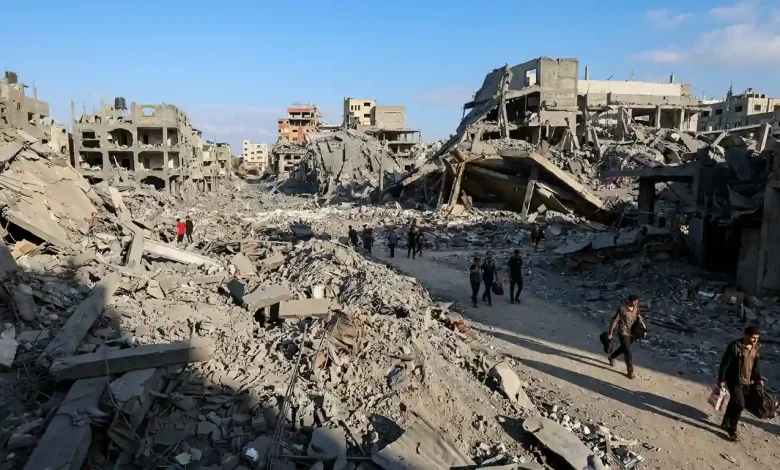
Table of Contents
IRGC (Islamic Revolutionary Guard Corps) commands have declared a major escalatory strike targeting a critical United States military installation in Kuwait, setting off immediate alarms across global defense agencies. This dramatic development comes as a direct response to a series of intensive American strikes launched against strategic targets within Iran earlier on Thursday. As the region teeters on the edge of a wider conventional conflict, a parallel breakthrough has emerged from the Gaza Board of Peace, which reports that Hamas has agreed to a comprehensive, phased disarmament roadmap in exchange for a complete Israeli withdrawal from the Gaza Strip. These two massive, contrasting developments represent a critical crossroads for Middle Eastern geopolitics, blending high-stakes military escalation with unprecedented diplomatic maneuvering.
IRGC: IRGC Escalation: Kuwait Base Targeted
The announcement from Tehran details a significant retaliation following what Iranian state media characterized as unprovoked aggression on their sovereign soil. After the regional conflict escalates after the thirteenth night of strikes, the Islamic Revolutionary Guard Corps deployed a wave of precision-guided ballistic missiles and one-way attack drones aimed at US military facilities in neighboring Kuwait. Kuwait hosts several critical American installations, including Camp Arifjan and Ali Al Salem Air Base, which serve as central logistical hubs for US Central Command (CENTCOM) operations in the Persian Gulf. The IRGC statement warned that any nation allowing its territory to be used as a launchpad for operations against Iran would be deemed a legitimate military target.
IRGC: The Retaliatory Strike: Analysis of the Thursday Aftermath
The timing of the IRGC strike is crucial, occurring less than twenty-four hours after the Pentagon authorized heavy aerial bombardments against multiple radar installations, air defense nodes, and command centers inside Iran. These events built upon the rapidly intensifying intense fighting between the United States and Iran. Military analysts suggest that the decision to target Kuwait represents a calculated gamble by Tehran to demonstrate its reach and deter further deep-penetration strikes from US coalition forces. By striking a base outside of the immediate combat zone, the Iranian leadership is signaling its capability to disrupt international logistics and threaten US assets across the entire Arabian Peninsula.
IRGC: Strategic Implications for US Facilities in Kuwait
Kuwait has historically maintained a delicate diplomatic balance, hosting thousands of US servicemen while preserving diplomatic ties with regional neighbors. This direct strike shatters the relative safety of these logistical backstops. While US air defense systems, including the MIM-104 Patriot batteries, were actively engaged during the attack, the psychological and political fallout is immense. Security experts note that as the Iran war enter day 149, the geographic spillover of hostilities is rapidly expanding. If Kuwait is drawn directly into the crossfire, the legal and operational framework governing US military presence in the Gulf Cooperation Council (GCC) states will face severe strain, potentially forcing regional governments to restrict US offensive capabilities from their soil.
IRGC: Gaza Board of Peace Announces Hamas Disarmament Roadmap
Amidst the smoke of regional escalation, an unexpected diplomatic breakthrough occurred in the Levant. The Gaza Board of Peace, an international coalition of mediators, announced that Hamas leadership has formally accepted a structured, multi-phase roadmap toward complete disarmament. This concession represents one of the most significant diplomatic shifts since the outbreak of hostilities, offering a potential path toward permanent peace in the devastated enclave. According to the board, the agreement hinges on a strict, synchronized timeline where Hamas surrenders its military infrastructure in direct exchange for the sequential withdrawal of the Israel Defense Forces (IDF) from Gaza.
IRGC: Phased Disarmament and Israeli Withdrawal Provisions
The details of the proposed roadmap indicate a highly technical and monitored transition. Phase one requires Hamas to declare its remaining rocket stockpiles and heavy weaponry to an independent international oversight commission. In return, Israeli forces would withdraw from primary humanitarian corridors and densely populated urban centers. As the agreement progresses, subsequent phases will demand the destruction of underground tunnel networks and the integration of civil administrative bodies. This occurs as brief pauses in the Iran war conflict highlight the broader international desire to wind down multiple flashpoints simultaneously. However, the success of this phased disarmament relies entirely on mutual trust—a commodity that remains exceedingly scarce between the warring factions.
IRGC: Regional Diplomatic Reactions and Skepticism
International reaction to the Gaza Board of Peace framework has been a mixture of cautious optimism and profound skepticism. While mediator countries like Qatar and Egypt have hailed the roadmap as a monumental step forward, hardline factions within both Israel and Hamas have expressed deep reservations. Within the United States, military planners prepare for massive strikes on other fronts, as detailed in reports during the period when military planners prepare for massive strikes, leaving diplomatic resources stretched thin. Critics of the Gaza deal argue that verifying the total disarmament of an asymmetric militant group is nearly impossible, while proponents emphasize that a structured, phased exit is the only viable alternative to perpetual urban warfare.
IRGC: The Convergence of Two Geopolitical Fronts
These two seemingly distinct events—the military escalation in Kuwait and the diplomatic breakthrough in Gaza—are intrinsically linked through the complex web of Middle Eastern alliances. The IRGC has long positioned itself as the primary benefactor of the “Axis of Resistance,” which includes Hamas, Hezbollah, and the Houthi movement. The simultaneous push for a diplomatic settlement in Gaza and a military escalation in the Persian Gulf suggests a dual-track strategy by regional actors. While Tehran exerts military pressure to raise the costs of American intervention, its allies are exploring off-ramps in Gaza to preserve their political survival under intense international scrutiny.
Financial Shockwaves and Energy Market Volatility
The combination of military strikes near key maritime corridors and the potential for a ceasefire in Gaza has sent mixed signals to global financial and energy markets. Immediately following the news of the attack on the Kuwaiti base, oil prices skyrocketed to over $100 per barrel, reflecting deep anxieties regarding the security of shipping lanes in the Strait of Hormuz and the Persian Gulf. Conversely, the prospect of a Gaza peace roadmap provided a brief stabilizing counter-weight to speculative trading. Nonetheless, as rising inflation threatens the global economy, financial institutions warn that a prolonged conflict with Iran will easily outpace any localized peace dividends achieved in the Levant.
Future Outlook: Escalation or Stabilization?
As international observers analyze the rapidly moving developments heading into developments heading into day 151 of the conflict, the Middle East stands at a historic crossroads. The coming days will determine whether the retaliatory cycle between Washington and Tehran will engulf neighboring Gulf states, or if the diplomatic framework established by the Gaza Board of Peace can serve as a blueprint for broader regional de-escalation. The dual realities of active ballistic missile strikes and structured peace proposals highlight the fragmented nature of modern diplomacy, where kinetic warfare and peace negotiations occur concurrently on the global stage.
Comparing the Two Major Middle Eastern Developments
| Parameters | The Kuwait Base Escalation (Persian Gulf) | The Gaza Peace Roadmap (Levant) |
|---|---|---|
| Primary Actors | IRGC (Iran) & United States Armed Forces | Hamas, Gaza Board of Peace, and Israel |
| Nature of Event | Kinetic military retaliation using ballistic missiles/drones | Diplomatic framework for phased disarmament and withdrawal |
| Immediate Impact | Increased threat to US regional hubs, surge in energy prices | Potential path to permanent ceasefire and humanitarian relief |
| Key Challenge | Preventing wider interstate war and regional spillover | Verifying militant disarmament and overcoming political distrust |
| Global Market Effect | Highly inflationary, driving crude oil and logistics costs up | Stabilizing factor, offering potential long-term relief |