Fighting between the United States and Iran Abates 2026

Table of Contents
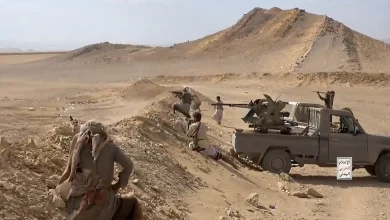
Fighting between the United States and Iran abated for the first time in two weeks on Saturday, marking a rare and unexpected pause in a conflict that has ravaged the Middle East. Neither country acknowledged any direct airstrikes or retaliatory actions over the 24-hour window, providing a brief respite from the relentless cycles of hostilities. This quiet interval follows a period of extreme military clashes that effectively unraveled the diplomatic achievements of the summer, including a tentative cease-fire signed in June. Behind the scenes, however, the quiet reflects strategic desperation rather than a breakthrough in peace negotiations. In Washington, plans to escalate the military campaign against Iran have been put on hold. This operational pause is driven primarily by acute concerns over dwindling supplies of critical air defense munitions as the war relentlessly approaches its fifth month, according to senior intelligence officials and defense advisors briefed on the matter.
Fighting :A Rare Quiet Over the Persian Gulf
For the first time in weeks, the skies over the Persian Gulf and western Iran remained clear of anti-aircraft fire, interceptor trails, and drone swarms. For two weeks prior, both nations had exchanged devastating blows, hitting logistics hubs, military radar systems, and oil transit assets. The sudden silence on Saturday caught regional monitors by surprise. Military analysts emphasize that while the lack of kinetic activity is a welcome development, it does not represent a formal truce. Instead, both Washington and Tehran appear to be using the lull to assess damage, reposition assets, and recalculate their long-term strategies. Neither the Pentagon nor the Iranian Supreme National Security Council issued statements celebrating the quiet, signaling that both sides remain on a high-alert war footing.
Fighting :The Breakdown of the June Ceasefire
The temporary peace established in June was highly fragile from its inception. Known colloquially as the June Ceasefire, the agreement was designed to halt active hostilities and allow humanitarian corridors to open while diplomats worked on a comprehensive regional security framework. However, underlying tensions, proxy maneuvers in Iraq and Syria, and maritime skirmishes soon chipped away at the agreement’s foundation. Tensions reached a boiling point in mid-July when localized skirmishes rapidly expanded, causing the hard-won truce to dissolve as hostilities escalate rapidly across multiple fronts. The subsequent two weeks of direct combat saw some of the most intense conventional military engagement between U.S. forces and Iran in modern history, pushing both nations to the brink of an all-out regional war.
Fighting :The Munitions Crunch: Why Washington Paused Escalation
The primary driver behind Washington’s decision to halt its planned escalation is a quiet crisis brewing within the Pentagon’s logistics networks. During a high-level briefing on Friday, Chairman of the Joint Chiefs of Staff Gen. Dan Caine and senior advisors privately warned President Donald Trump that a broader offensive could deplete interceptor stockpiles to dangerous levels. With the conflict entering its fifth month, the rate of munition consumption has far outpaced the production capacity of the domestic defense industrial base. The U.S. military has relied heavily on highly sophisticated air defense systems to protect its roughly 50,000 forward-deployed troops, naval fleets, and partner facilities from waves of Iranian ballistic missiles, cruise missiles, and kamikaze drones. Continuing the nightly bombings would risk running dry on interceptors, leaving U.S. bases and allies completely exposed to subsequent retaliatory strikes.
Fighting :The Logistical Bottleneck of Precision Munitions
The logistical bottleneck involves highly advanced systems that cannot be easily or quickly replaced. Defensive systems like the MIM-104 Patriot and the Terminal High Altitude Area Defense (THAAD) require precision-guided interceptors that take years to manufacture. According to research published by the Center for Strategic and International Studies (CSIS), the United States has expended a massive percentage of its prewar inventories of key weapons. The defense industrial base is currently structured for peacetime efficiency rather than sustained high-intensity warfare, meaning factory lines cannot easily ramp up production to meet wartime demand. For example, while the U.S. has fired hundreds of Patriot interceptors in the Middle East, the annual domestic production rate remains capped at roughly 600 missiles. This creates a multi-year lag in replenishing depleted military stockpiles.
Fighting :Evaluating the US Stockpile Drain
To understand the severity of the logistics crisis facing the Pentagon, it is necessary to examine the estimated expenditures of key precision munitions. The continuous air campaigns and defensive shielding operations have put unprecedented pressure on the military’s inventory depth, as summarized in the comparison table below.

| Munition Type | Estimated Prewar Stockpile | Estimated Expended in Iran War | Replenishment Timeline | Strategic Role in Conflict |
|---|---|---|---|---|
| Patriot (PAC-3) | 2,330 | 1,060 – 1,430+ | 42 Months | Protects forward bases and troop installations from tactical missiles |
| THAAD Interceptor | 360 | 190 – 290 | 53 Months | High-altitude ballistic missile defense for regional partners |
| Tomahawk (TLAM) | 3,100 | 1,000+ | 47 Months | Deep-strike naval land attacks targeting Iranian command hubs |
| Standard Missile (SM-3/6) | ~1,500 | 320 – 620+ | 53 Months | Aegis fleet air defense and maritime security escort missions |
These figures reveal that the U.S. has burned through roughly half of its most critical air defense stockpiles in just under five months of active fighting. Defense officials have quietly warned that maintaining this rate of consumption creates a severe vulnerability, leaving the United States poorly positioned to handle any secondary conflict in other theaters, such as the Indo-Pacific or Eastern Europe.
Fighting :Financial and Strategic Readiness Strains
Beyond the physical lack of interceptors, the skyrocketing military costs of the war have triggered intense political debate in Washington. Defense Secretary Pete Hegseth has pleaded with Congress for emergency defense supplemental funding, pointing out that military operations have already cost the American taxpayer tens of billions of dollars. Additionally, a lopsided defense dynamic has emerged between the United States and its regional partners. Military intelligence reports indicate that while the U.S. Army and Navy absorbed the vast majority of the defensive burden by launching hundreds of expensive THAAD and SM-3 interceptors, regional allies like Israel largely conserved their own anti-ballistic missile magazines. This unequal distribution of defense responsibilities has placed a disproportionate strain on American resources and accelerated the depletion of global U.S. stockpiles.
Fighting :Reshaping the Geopolitical and Security Landscape
The strategic pause is forcing a reassessment of international partnerships and defense commitments. The United States has had to shift assets from other global regions, including stripping Patriot batteries from European allies and withdrawing highly sensitive defense units from East Asia to reinforce its positions in the Middle East. This realignment of military posture directly impacts the broader coalition operations designed to deter regional adversaries. Allies are increasingly concerned that the heavy focus on Iran has created a window of vulnerability that peer adversaries could exploit, raising diplomatic friction between Washington and its European and Asian partners.
Global Energy and Economic Shockwaves
The prolonged conflict has also exacted a devastating toll on the global economy. Maritime trade has faced severe disruptions due to the active naval blockade in the Persian Gulf, which has choked key shipping lanes and crippled commercial transit through the Strait of Hormuz. These security threats have triggered massive global oil market shocks, driving crude prices to record highs and escalating transportation costs across the globe. Financial experts and business leaders have warned that if energy prices remain elevated and shipping lanes remain closed, the world economy could slide into a severe economic recession, with major disruptions to manufacturing supply chains and consumer pricing structures.
Future Outlook: Permanent De-escalation or A Temporary Break?
As the Saturday lull stretches into Sunday, the international community remains divided on whether this pause represents a genuine opportunity for diplomatic de-escalation or merely a temporary logistical break. Backchannel negotiations, reportedly mediated by Swiss and Omani diplomats, have quietly resumed in an attempt to rebuild the shattered June ceasefire. However, trust between the two warring nations is at an all-time low. Without a major policy shift or a comprehensive diplomatic settlement, military experts warn that once both sides replenish their immediate frontline supplies and adapt to their new logistical realities, the fighting is highly likely to resume. For now, the world watches the Middle East with bated breath, hoping that the quiet skies of Saturday can somehow pave the way toward a lasting peace.