US airstrikes against Iran 2026: White House Clarifies Strategy
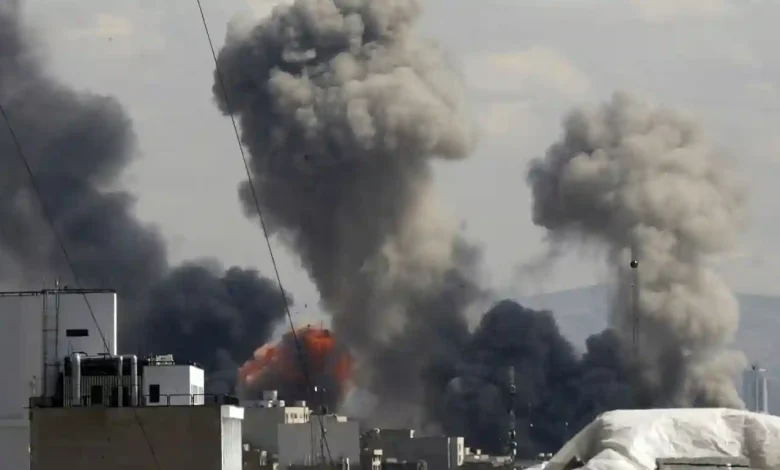
Table of Contents
US airstrikes against Iran represent a critical focal point in modern international relations, a reality highlighted on Saturday when the White House forcefully pushed back against a prominent media report. The official administrative response came shortly after a New York Times publication suggested that President Donald Trump had shelved plans to significantly escalate military operations against the Islamic Republic. The administration immediately sought to correct the record, asserting that while a diplomatic resolution is preferred, all kinetic options remain firmly on the table. White House Communications Director Steven Cheung clarified that the administration’s strategy is built upon keeping every potential military and economic option active to protect global trade routes and defend key regional allies.
The White House Clarification: Keeping All Options Open
In a strongly worded statement delivered directly to Fox News Digital, Steven Cheung clarified the administration’s active posture, countering any narrative suggesting a retreat or softening of the United States’ military stance. “President Trump has always been consistent in saying he prefers a diplomatic solution, but he continues to retain all options if Iran continues terrorist activities in the Strait of Hormuz or against allies,” Cheung remarked. This direct response was engineered to preserve the credibility of the U.S. deterrent in the Persian Gulf. Observers of the administration point out that maintaining strategic ambiguity is essential when dealing with adversarial states, as any perceived hesitation can be exploited. Prior to this latest statement, reports had circulated indicating that Trump considers massive strikes as part of a broader retaliatory framework, highlighting the high-stakes environment in Washington.
The New York Times Report: Claims of Shelved Plans
The administrative pushback was prompted by a detailed report from the New York Times, which asserted that President Trump had decided, at least temporarily, to halt a broader military campaign against Iran. According to sources cited within the report, several of the president’s senior national security advisors expressed profound concerns regarding the potential for a massive, uncontrolled expansion of the conflict. The report depicted a deeply divided administration, with military strategists warning of the long-term consequences of a regional war. This reporting created immediate concern within the White House, as it threatened to signal a lack of resolve to Iranian leadership. The timing of the leak was particularly sensitive, coming shortly after the dramatic moment when the US-Iran ceasefire collapses, triggering a renewed cycle of hostilities and retaliatory military actions across multiple operational theaters.
Chronology of the Recent Escalation
To fully grasp the complexity of the current situation, it is necessary to examine the intense military engagements that have defined the past several weeks. The region has experienced a significant escalation in kinetic operations, with both sides reinforcing their operational capabilities and deploying advanced military hardware to critical combat zones.
Thirteen Days of Airstrikes and Economic Sanctions
The current phase of the conflict has been characterized by intense, sustained military actions. The White House confirmed that the U.S. military recently concluded thirteen consecutive days of targeted strikes against Iranian military infrastructure, including drone manufacturing plants, missile storage facilities, and proxy command hubs. This campaign was initiated in direct response to repeated provocations against U.S. service members and allied assets in the region. This sustained air campaign followed earlier operations, including a notable period when the US launches 11th consecutive night of strikes, highlighting the administration’s willingness to use sustained force to establish deterrence. Communications Director Steven Cheung noted that these strikes, paired with “successful sanctions that have crippled Iran’s economy,” represent a comprehensive approach designed to compel Iran to negotiate. This aggressive rhythm builds on earlier actions where strikes enter their ninth consecutive day, illustrating a systematic and unyielding military pressure campaign.
The Strategic Importance of the Strait of Hormuz
The Strait of Hormuz remains one of the world’s most critical maritime transit points, through which a significant portion of the global petroleum supply flows daily. Any disruption to the safe passage of commercial vessels through this narrow waterway poses an immediate threat to global economic stability. Iran’s history of utilizing asymmetric naval tactics, including the deployment of sea mines and fast-attack craft, has necessitated a robust and highly visible U.S. naval presence. The White House has made it explicitly clear that any attempt by Iranian forces to interfere with commercial shipping or blockade the strait will be met with immediate and decisive military action. This commitment to maritime security remains a cornerstone of U.S. operational planning in the Middle East.
Comparing Diplomatic and Military Paths
The administration’s strategic framework relies on a combination of diplomatic overtures and heavy military deterrence. The following table highlights the core components of these dual-track operations, comparing their primary actions, intended outcomes, and potential risks:
| Strategic Pillar | Key Actions Deployed | Intended Strategic Outcome | Associated Risks & Challenges |
|---|---|---|---|
| Military Deterrence | Targeted airstrikes, carrier strike group deployments, and joint naval patrols. | Degrade hostile capabilities and prevent disruptions to global shipping lanes. | Risk of unintended regional escalation and potential retaliatory proxy attacks. |
| Economic Pressure | Comprehensive secondary sanctions targeting energy exports, petrochemicals, and financial sectors. | Deprive the regime of funding for military operations and regional proxies. | Asymmetric economic retaliation and increased domestic inflation in target nations. |
| Diplomatic Overtures | Offering direct negotiations for a comprehensive regional security framework. | Achieve a long-term, verifiable deal that addresses missile programs and regional behavior. | Perceived as a sign of weakness if not backed by a credible threat of force. |
The Advisor’s Role: Caution Over Expansion
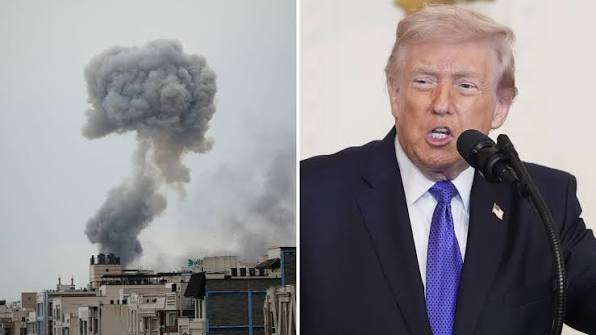
The internal policy debate highlighted by the New York Times report underscores the vital role that military and national security advisors play in shaping U.S. foreign policy. Commanders and intelligence officials are tasked with presenting the president with realistic assessments of military operations, including potential worst-case scenarios. During recent deliberations, advisors reportedly urged the president to carefully weigh the strategic benefits of an expanded campaign against the potential costs. In these planning sessions, maintaining operational discipline is paramount; the White House denies hitting civilian targets, ensuring that all military operations strictly adhere to international humanitarian law to avoid diplomatic isolation and preserve international coalitions.
Economic and Geopolitical Impacts of Prolonged Tension
The ongoing military standoff between the United States and Iran has far-reaching consequences that extend well beyond the borders of the Middle East, impacting global financial markets and domestic political dynamics alike.
Impact on Global Energy Markets
The immediate consequence of heightened military tensions is felt in global energy markets. Oil prices are highly sensitive to geopolitical instability, particularly in the Persian Gulf region. Each escalation in rhetoric or military action prompts speculative price increases as market participants prepare for potential supply disruptions. Historically, when the US strikes crude spikes, leading to increased fuel costs for consumers worldwide. The administration must carefully balance its deterrence objectives with the need to maintain global economic stability and prevent inflation from undermining domestic economic growth.
International Coalitions and Allied Support
Securing the maritime corridors of the Middle East requires a coordinated international effort. While the United States possesses the unilateral capability to conduct major operations, it relies on a broad network of international partners to sustain long-term maritime security initiatives. European and Asian allies, who are highly dependent on Middle Eastern oil, have expressed support for securing shipping lanes but remain deeply concerned about the prospect of an all-out war. These concerns are compounded by the immense financial costs associated with prolonged military deployments. Recent congressional reports indicate that the Iran war cost rises to 37.5B, raising serious questions about the long-term sustainability of the current military posture and the allocation of defense resources.
The Future of US-Iran Deterrence
The path forward remains highly uncertain as both nations remain entrenched in their respective positions. The Trump administration’s “maximum pressure” strategy is designed to leave Iran with a clear choice: engage in serious, comprehensive negotiations to address its regional behavior and nuclear ambitions, or face continued economic ruin and military degradation. However, the effectiveness of this strategy depends heavily on the actions of regional proxy networks. The geographic scope of the conflict is constantly threatened by operations such as the Houthi embargo targets Saudi shipping, which demonstrate how regional actors can disrupt global commerce and complicate U.S. defense planning. Steven Cheung’s warning that Iran must work toward a negotiated deal or face severe consequences indicates that the administration is prepared to escalate further if deterrence fails.
Conclusion
In conclusion, the White House’s rapid response to the New York Times report serves to reinforce a consistent message: the United States will not allow its military options to be prematurely dismissed by public speculation. By declaring that all options remain firmly on the table, the administration seeks to maintain a credible threat of force while keeping the door open for diplomatic engagement. Whether this delicate balance of crippling sanctions and robust military deterrence will successfully bring Iran to the negotiating table or instead lead to a wider, more unpredictable regional conflict remains the central question of contemporary Middle Eastern security.