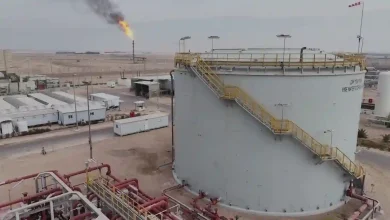
Military assault against Iran Plans Set Aside by President Trump 2026
Table of Contents
Military assault against Iran plans have been temporarily set aside by President Donald Trump, marking a significant tactical shift in the administration’s Middle East strategy. While Trump’s massive attack threat looms over Iran, the stark reality of depleted defense stockpiles and regional blowback has forced a pause. Senior defense officials and military advisers have successfully argued that pushing ahead with an unrestricted campaign risks leaving United States forces and key allies dangerously exposed. The decision reflects a growing recognition of the logistical bottlenecks and geopolitical constraints that limit the execution of a protracted, high-intensity conflict in the region.
The policy shift comes after weeks of intense debate within the National Security Council and the Pentagon. Planners warning of unsustainable munitions expenditure had to balance the White House’s aggressive rhetoric with the physical limits of the American defense industrial base. The situation reached a critical inflection point on Iran war day 147, when intelligence briefs made it clear that further escalation would empty the strategic cupboards of vital air defense interceptors, leaving global assets vulnerable to secondary threats.
The Decision to Pause the Escalation
For months, the administration has navigated a highly volatile environment. However, the decision to halt the escalation was not driven by diplomatic breakthrough, but by a sober assessment of immediate operational limits. President Trump and his top aides became increasingly uneasy about the prospect of a widening war in the Middle East that could spin out of control. Pentagon war games simulated various escalation cascades, almost all of which resulted in a massive expenditure of American defensive assets without achieving a definitive strategic victory over Tehran.
Key advisers, including the Secretary of Defense and the Chairman of the Joint Chiefs of Staff, presented the president with highly classified data detailing the precise state of the military’s global inventories. They demonstrated that while offensive capabilities remain unmatched, the defensive shield required to protect American assets and allies from retaliatory strikes is facing unprecedented strain. The threat of a multi-front conflict involving not just Iran, but also its network of heavily armed regional proxies, made the prospect of a deep offensive campaign highly risky.
The Critical Patriot Interceptor Shortage
At the center of this strategic pause is the Patriot antimissile interceptor system, the backbone of tactical air defense in the Middle East. The Patriot Advanced Capability-3 (PAC-3) and PAC-2 systems are designed to intercept tactical ballistic missiles, cruise missiles, and advanced unmanned aerial vehicles. However, these systems are not designed for the kind of prolonged, high-volume attritional warfare that has characterized recent exchanges. As the campaign progressed and the US bombs Iran for 11th night, the rate of interceptor consumption far outpaced domestic production capabilities.
A single Patriot interceptor costs between $4 million and $5 million, and manufacturing them is an incredibly complex process that cannot be quickly scaled. Defense prime contractors like Lockheed Martin and RTX (formerly Raytheon) face structural bottlenecks, including shortages of specialized solid-rocket motors, advanced guidance microchips, and highly trained aerospace technicians. Consequently, lead times for new interceptors stretch from 18 to 24 months, meaning that once a missile is fired, it cannot be easily or rapidly replaced in the active inventory.
Operational Realities: Diminished Air Defense Stockpiles
The Pentagon’s diminished stockpiles have forced commanders to prioritize which installations to defend. Currently, Patriot batteries are scattered across Saudi Arabia, the United Arab Emirates, Qatar, Kuwait, Jordan, and Iraq, alongside those protecting critical U.S. military bases. If Iran launches a synchronized, multi-directional attack using hundreds of drones and ballistic missiles simultaneously, the local defense networks could be quickly overwhelmed, requiring multiple interceptors per target to guarantee safety.
The table below provides an analytical overview of the strategic challenges facing U.S. air defense stockpiles in the theater:
| Munition / Resource | Strategic Reserve Level | Primary Operational Threat Addressed | Estimated Production Lead Time |
|---|---|---|---|
| Patriot PAC-3 Interceptors | Critically Depleted | Tactical Ballistic Missiles | 18–24 Months |
| NASAMS / AMRAAM | Moderately Low | Cruise Missiles & Heavy Drones | 12–18 Months |
| THAAD Interceptors | Highly Restricted | High-Altitude Ballistic Threat | 24+ Months |
| SM-6 (Navy Integrated) | Severely Strained | Anti-Ship & Ballistic Missiles | 18–24 Months |
Strategic Overstretch and the Pentagon’s Dilemma
The Pentagon cannot view the Middle East in a vacuum. Under the National Defense Strategy, the United States must maintain sufficient strategic reserves to deter potential adversaries in other critical theaters, most notably the Indo-Pacific and Eastern Europe. Over-allocating precious air defense assets to a prolonged conflict with Iran would directly degrade the U.S. military’s readiness to respond to a crisis in the Taiwan Strait or a sudden escalation in Eastern Europe. This strategic overstretch has long been a concern for joint planners, who argue that the American defense industrial base is not currently configured for dual-theater high-intensity deterrence.
Compounding this dilemma is the fact that Iran adapts ballistic missiles specifically to evade and overwhelm Western air defense networks. By utilizing decoy technologies, low-altitude maneuvering cruise missiles, and massed swarm tactics, Tehran forces defensive systems to fire multiple interceptors to neutralize a single threat. This asymmetric calculation works heavily in Iran’s favor, as their domestically produced strike munitions cost a fraction of the highly advanced Western interceptors used to destroy them.
Geopolitical Ramifications and the Alienation of Gulf Allies
Beyond military logistics, the geopolitical cost of escalation has weighed heavily on the White House’s decision-making process. Key Gulf allies, including Saudi Arabia, the United Arab Emirates, and Kuwait, have expressed deep reservations about a major escalation. These countries are highly vulnerable to Iranian retaliation, which could target critical infrastructure, desalination plants, and civilian population centers. Memories of the 2019 Abqaiq-Khurais drone attacks on Saudi oil installations remain fresh, proving that even localized strikes can have devastating economic impacts.
Gulf capitals have conveyed to Washington that they do not wish to see their territories used as staging grounds for offensive operations that could invite direct retaliatory strikes. This hesitation has limited the operational flexibility of the U.S. military, which relies on access, basing, and overflight agreements across the Arabian Peninsula. Without the active cooperation of these partners, conducting a sustained air campaign becomes logistically and diplomatically challenging.
Regional Alliances at a Breaking Point
The hesitation of Gulf allies has introduced a friction point in long-standing security partnerships. In past conflicts, Washington could count on a unified front from its regional partners. Today, however, these nations are pursuing more independent foreign policies, often balancing their security ties with the U.S. against their economic relationships with China and diplomatic channels with Iran. The fear of being abandoned or left undefended if U.S. interceptor stockpiles run dry has led some partners to seek de-escalation on their own terms.
With US troops killed in sporadic proxy attacks across eastern Syria and western Iraq, the administration is acutely aware that any major push into Iranian territory would immediately trigger a violent reaction against exposed forward operating bases. The inability to guarantee absolute protection for these bases due to localized missile shortages has forced a reassessment of what can realistically be achieved through military pressure alone.
The Global Economic Impact: Oil and Energy Crisis
A wider war in the Middle East carries catastrophic economic risks that the Trump administration is eager to avoid. The global energy market is highly sensitive to instability in the Persian Gulf, which produces a substantial portion of the world’s daily petroleum supply. Any disruption to production facilities, offshore platforms, or shipping lanes would trigger an immediate shockwave in international energy markets. Economists have warned that Brent crude oil prices could spike to historic levels, reversing years of domestic economic growth and fueling persistent global inflation.
President Trump, whose political brand is heavily tied to domestic economic prosperity and low inflation, is highly sensitive to the domestic political consequences of rising fuel costs. If a military campaign in the Middle East causes a scenario where oil hits 100 or 150 dollars a barrel, the resulting economic pain would be felt directly by American consumers at the gas pump. This economic vulnerability acts as a powerful brake on aggressive foreign policy choices.
Supply Chains and the Strait of Hormuz Threat
The primary geographic choke point in any conflict with Iran is the Strait of Hormuz, through which roughly one-fifth of the world’s liquid petroleum passes daily. Iran has repeatedly threatened to close or disrupt traffic through the strait in the event of an American attack. A successful blockade or even sustained harassment of commercial shipping would paralyze international maritime trade, driving up shipping insurance rates and disrupting global supply chains already strained by geopolitical tensions elsewhere.
Efforts to secure a diplomatic mechanism or a stable Strait of Hormuz deal have historically met with deep skepticism, but the lack of viable alternatives highlights the vulnerability of global trade to localized maritime conflict. The threat of naval mines, fast attack craft, and shore-to-ship missiles makes enforcing freedom of navigation an incredibly resource-intensive task for the U.S. Navy, which is also facing its own munition and maintenance backlogs.
Humanitarian and Refugee Considerations
A full-scale conflict would also trigger a humanitarian crisis of unprecedented scale in the region. Iran, a nation of over 85 million people, would see widespread displacement if critical civilian infrastructure were damaged or if the conflict devolved into a prolonged ground campaign. Neighboring countries, already hosting millions of refugees from previous regional conflicts, are entirely unprepared to absorb another massive wave of displaced persons.
A major refugee crisis would quickly spill over into Turkey and Europe, creating political instability and placing immense strain on international humanitarian organizations. The financial cost of managing such a crisis would fall heavily on Western nations, diverting resources from other domestic and foreign policy priorities. This humanitarian dimension has added to the hesitation within the administration, as officials calculate the long-term stabilization costs of a post-conflict scenario.
Managing the Fallout of a Wider Conflict
The administrative and logistical challenges of managing a massive regional conflict extend far beyond the battlefield. Strategic planners must account for cyber warfare, sabotage of critical infrastructure, and asymmetric attacks on soft targets globally. Iran’s cyber capabilities have matured significantly, posing a credible threat to financial institutions, power grids, and municipal water systems in the United States and allied nations. The risk of domestic disruption, combined with the lack of defense depth, makes a major military escalation highly unappealing to pragmatists within the administration.
What Lies Ahead for US-Iran Relations
For now, the White House appears committed to a strategy of active containment rather than direct escalation. This strategic pause allows the Pentagon to focus on replenishing depleted stockpiles, strengthening defense industrial production lines, and patching up frayed diplomatic relations with Gulf allies. However, containment is a dynamic and fragile policy that relies on mutual deterrence. If Iran or its proxies cross established red lines, the pressure on President Trump to respond decisively will inevitably return, restarting the cycle of escalation.
Ultimately, the pause in plans for a military escalation against Iran serves as a stark reminder of the limits of modern military power. In an era of sophisticated asymmetric warfare, high-tech defensive shields are as critical—and as difficult to sustain—as offensive capabilities. Until the United States can resolve its critical munition shortages and stabilize its strategic alliances, the path of caution remains the most prudent option for Washington’s decision-makers.
References & Authority Citations: