Oakland Crash: Three Dead, Five Injured in Oakland, California
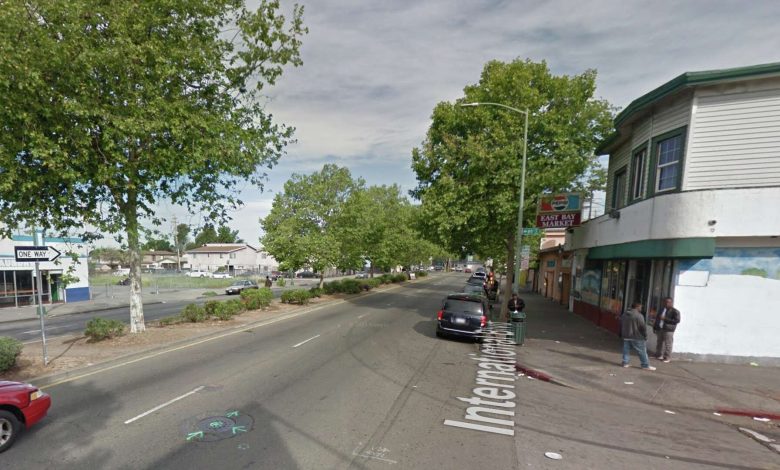
Oakland Crash Overview
In a tragic incident, an Oakland crash has resulted in three fatalities and five injuries, plunging the local community into mourning. The Oakland Fire Department confirmed the deaths and injuries, noting that two of the injured individuals are in critical condition. The driver involved in the collision also sustained injuries, described by officials as minor. At present, authorities have not released comprehensive details regarding the circumstances leading to the crash, and the driver’s identity remains undisclosed. This lack of immediate information has fueled speculation and heightened anxiety among residents.
The incident occurred during a time when traffic safety and accident prevention are of paramount concern. As investigations continue, the focus remains on providing support to the victims and their families while seeking to understand the factors that contributed to this devastating event. The severity of the crash underscores the importance of ongoing efforts to improve road safety and prevent future tragedies.
The incident is a stark reminder of the potential dangers present on roadways and the need for constant vigilance and adherence to traffic laws. The investigation will likely explore various potential causes, including driver error, mechanical failure, and environmental factors. Until more information is available, the community remains on edge, hoping for swift answers and measures to prevent similar incidents in the future.
Immediate Response and Scene Assessment
The immediate aftermath of the Oakland crash saw a rapid and coordinated response from emergency services. The Oakland Fire Department, along with paramedics and police officers, arrived promptly at the scene to provide medical assistance and secure the area. The priority was to extricate the injured from the wreckage and transport them to nearby hospitals for urgent care.
The scene assessment involved a thorough evaluation of the crash site to gather initial evidence and determine the extent of the damage. Firefighters worked to ensure that there were no immediate fire hazards, while paramedics triaged the injured to prioritize treatment based on the severity of their conditions. Police officers began the process of documenting the scene, collecting witness statements, and preserving any potential evidence that could shed light on the cause of the crash.
The coordination between different emergency response teams was crucial in managing the chaos and ensuring that all victims received the necessary attention as quickly as possible. The effectiveness of this initial response can significantly impact the survival and recovery of those involved in such incidents. Further analysis will be conducted to determine if any improvements can be made to enhance future emergency responses. The challenges of accessing the site and managing the flow of emergency vehicles also play a significant role in the overall effectiveness of the response. Considering similar incidents, exploring the implications of the Panama Canal Crisis and its impact on emergency response logistics showcases the complexity of crisis management.
Victim Information and Support
The focus has now shifted towards identifying the victims of the Oakland crash and providing support to their families. Grief counselors and victim support services have been mobilized to offer emotional and practical assistance during this difficult time. The process of identifying the deceased and informing their families is being handled with the utmost sensitivity and care.
For the injured, medical teams are working tirelessly to provide the best possible care and ensure their recovery. Updates on their conditions are being closely monitored, and support services are available to help them cope with the physical and emotional trauma of the accident. The community has rallied together to offer support, with local organizations and volunteers providing meals, accommodation, and other forms of assistance to the affected families.
The long-term needs of the victims and their families will be significant, including ongoing medical care, psychological support, and financial assistance. Various charitable organizations and government agencies are coordinating efforts to provide comprehensive support and ensure that those affected receive the help they need to rebuild their lives. The recent killing of Casey Goodson Jr. highlights the importance of community support in times of tragedy, emphasizing the critical role of compassion and solidarity in helping individuals and families navigate the aftermath of devastating events.
Investigation into the Cause
A comprehensive investigation is underway to determine the cause of the Oakland crash. Investigators are examining the vehicle involved, analyzing the crash scene, and interviewing witnesses to gather as much information as possible. The investigation will consider several potential factors, including driver error, mechanical failure, road conditions, and environmental influences.
If driver error is suspected, investigators will look into whether the driver was impaired by alcohol or drugs, distracted by mobile devices, or fatigued. Mechanical failure could involve issues with the vehicle’s brakes, steering, or tires. Road conditions, such as potholes or inadequate signage, could also have contributed to the crash. Environmental factors, such as weather conditions and visibility, will also be taken into account.
The findings of the investigation will be crucial in determining whether any legal action is necessary and in identifying measures to prevent similar incidents in the future. The investigation may also lead to recommendations for improvements in road design, traffic management, and driver education. The complexities involved in such investigations are significant, and the process can take time to ensure all aspects are thoroughly examined. Much like the challenges faced in determining the cause of the death of Amal Khalil, investigators must meticulously piece together evidence to uncover the truth and provide closure to the affected parties.
Community Impact and Response
The Oakland crash has had a profound impact on the local community, triggering a wave of grief, shock, and concern. Residents have come together to offer support to the victims and their families, organizing vigils, fundraising events, and donation drives. Local leaders and community organizations have also stepped up to provide resources and assistance.
The incident has raised broader questions about traffic safety in the area and the need for improved measures to protect pedestrians, cyclists, and drivers. Many residents are calling for increased enforcement of traffic laws, better road design, and enhanced driver education programs. The community’s response reflects a deep sense of solidarity and a commitment to working together to prevent future tragedies.
The long-term impact on the community will depend on how effectively it can address the underlying issues that contributed to the crash and how well it can support the healing process for those affected. The strength and resilience of the community will be tested in the coming months, but the initial response suggests a strong capacity for compassion, collaboration, and positive change. Similar community responses have been seen in other crisis situations, such as the aftermath of the bear attack in Glacier National Park, where communities rallied together to support the affected individuals and families.
Traffic and Transportation Disruptions
The Oakland crash caused significant traffic and transportation disruptions in the immediate aftermath. Road closures and detours were put in place to allow emergency services to access the scene and conduct their investigations. These disruptions affected commuters and local businesses, leading to delays and inconvenience.
Authorities worked to minimize the impact on traffic flow, but the severity of the crash and the need to preserve the integrity of the investigation meant that some delays were unavoidable. Public transportation services were also affected, with buses and trains experiencing delays and route changes. The incident highlighted the vulnerability of transportation networks to unexpected events and the importance of having contingency plans in place.
The long-term impact on traffic patterns and transportation infrastructure will depend on the findings of the investigation and any subsequent changes to road design or traffic management. The incident may also prompt a review of emergency response protocols and the coordination between different agencies to ensure that future disruptions are minimized. Much like the threat to Hormuz cables, which can disrupt global web traffic, the Oakland crash serves as a reminder of how unexpected events can significantly impact daily life and the importance of preparedness.
Safety Measures and Prevention
In the wake of the Oakland crash, there is a renewed focus on safety measures and prevention strategies to reduce the risk of future accidents. This includes reviewing and improving road design, enhancing traffic enforcement, and promoting driver education and awareness. Local authorities are considering implementing measures such as speed cameras, improved signage, and increased police patrols in high-risk areas.
Driver education programs can play a crucial role in raising awareness about the dangers of distracted driving, impaired driving, and speeding. Public awareness campaigns can also help to promote safe driving habits and encourage drivers to take responsibility for their actions. Technology can also play a role, with advanced driver assistance systems (ADAS) and autonomous driving technologies offering the potential to reduce human error and prevent accidents.
The effectiveness of these measures will depend on a coordinated effort between government agencies, community organizations, and individual citizens. By working together, it is possible to create a safer environment for all road users and prevent future tragedies. Similar efforts to enhance safety and prevention are evident in various other sectors, such as the measures taken to improve data access and security following the WHO data access concerns, highlighting the importance of proactive measures in preventing potential disasters.
Legal and Insurance Implications
The Oakland crash has significant legal and insurance implications for those involved. The victims and their families may be entitled to compensation for medical expenses, lost wages, pain and suffering, and other damages. The driver involved in the crash may face criminal charges if found to be at fault, particularly if negligence or recklessness is proven.
Insurance companies will conduct their own investigations to determine liability and assess the extent of coverage. Legal proceedings may be initiated to resolve disputes over liability and compensation. It is important for those affected to seek legal advice and understand their rights and obligations. The legal and insurance processes can be complex and time-consuming, and it is essential to have experienced professionals guiding them through the process.
The outcome of these legal and insurance matters will have a significant impact on the lives of the victims and their families, as well as on the driver involved in the crash. Ensuring fairness and justice in these proceedings is crucial for restoring trust and confidence in the legal system. The legal battles surrounding events such as the Trump appeal of the $83 million defamation verdict underscore the complexities and high stakes involved in legal proceedings following tragic events.
Historical Context of Oakland Traffic Incidents
Understanding the historical context of traffic incidents in Oakland can provide valuable insights into patterns, trends, and underlying factors that contribute to road accidents. Analyzing past incidents can help identify high-risk areas, common causes of crashes, and the effectiveness of previous safety measures. This historical perspective can inform current strategies and policies aimed at improving road safety.
Reviewing data on traffic fatalities, injuries, and property damage over time can reveal whether there have been any significant changes or trends. Comparing Oakland’s traffic incident rates with those of other cities can also provide a broader perspective on the city’s road safety performance. This comparative analysis can help identify areas where Oakland is doing well and areas where it needs to improve.
Learning from past mistakes and successes is crucial for developing effective strategies to prevent future accidents. By understanding the historical context, Oakland can better address the root causes of traffic incidents and create a safer environment for all road users. The city’s historical approach to urban planning and infrastructure can also play a role, much like the impact of historical decisions on modern challenges, as seen in the grants halted by the Trump administration, which continue to affect current policies and community development.
Comparative Analysis of Traffic Fatalities
A comparative analysis of traffic fatalities is essential to understand Oakland’s standing relative to other cities and regions. By examining data from similar urban areas, it’s possible to identify best practices and areas where Oakland may be lagging in road safety. This involves looking at factors such as population density, road infrastructure, traffic volume, and enforcement strategies.
Comparing Oakland’s traffic fatality rates with those of cities with comparable demographics and transportation systems can reveal valuable insights. For example, if Oakland’s fatality rate is higher than the average for similar cities, it may indicate a need for more aggressive safety interventions. Conversely, if Oakland’s rate is lower, it may suggest that certain strategies are working effectively and could be replicated in other areas.
This analysis should also consider the types of vehicles involved in fatal crashes, the age and experience of the drivers, and the time of day and location of the incidents. By identifying patterns and trends, it’s possible to develop targeted interventions that address the specific risks facing Oakland’s road users. This comparative approach is similar to analyzing international relations and defense strategies, such as comparing Turkey’s Kaan fighter jet with Israel’s F-35, as discussed in the context of Turkey challenging Israel’s F-35 advantage.
Long-Term Strategies for Road Safety
Developing long-term strategies for road safety requires a comprehensive and sustained effort involving multiple stakeholders. This includes government agencies, community organizations, advocacy groups, and individual citizens. The goal is to create a culture of safety that prioritizes the well-being of all road users.
Long-term strategies should focus on addressing the underlying factors that contribute to traffic accidents, such as inadequate road design, insufficient traffic enforcement, and a lack of driver education. This may involve investing in infrastructure improvements, implementing stricter traffic laws, and launching public awareness campaigns to promote safe driving habits. It also requires ongoing monitoring and evaluation to assess the effectiveness of these strategies and make adjustments as needed.
Technology can play a key role in long-term road safety strategies, with innovations such as autonomous vehicles, smart traffic management systems, and advanced driver assistance systems offering the potential to significantly reduce accidents. However, it’s important to ensure that these technologies are implemented in a way that is equitable and accessible to all members of the community. The development of these strategies is akin to navigating complex international negotiations, such as the US-Iran negotiations, which require sustained effort, collaboration, and a clear understanding of the underlying issues.
Resources and Support for Affected Families
Providing resources and support for families affected by traffic accidents is a critical aspect of the community’s response. This includes offering emotional support, financial assistance, and practical guidance to help families cope with the aftermath of a tragedy. Grief counseling, support groups, and mental health services can provide a safe space for families to share their experiences and receive professional help.
Financial assistance may be needed to cover medical expenses, funeral costs, and lost income. Various charitable organizations, government agencies, and community groups offer financial support to families in need. Practical guidance may include assistance with legal and insurance matters, as well as help navigating the complex bureaucracy associated with these processes.
The goal is to ensure that affected families receive the support they need to rebuild their lives and move forward after a devastating loss. This requires a coordinated effort between multiple stakeholders, including government agencies, community organizations, and individual volunteers. The support provided to these families is similar to the support needed in times of international crisis, such as providing aid to refugees or assisting communities affected by natural disasters. The global response to events like the Hayya initiative amidst Israeli attempts highlights the importance of international support in times of crisis.
| Category | Details |
|---|---|
| Fatalities | 3 |
| Injured | 5 (2 critical) |
| Driver Injury | Minor |
| Location | Oakland, California |
| Investigation Status | Ongoing |