Gov. Hochul Announces Emergency Transit Plan After Rail Strike
Introduction
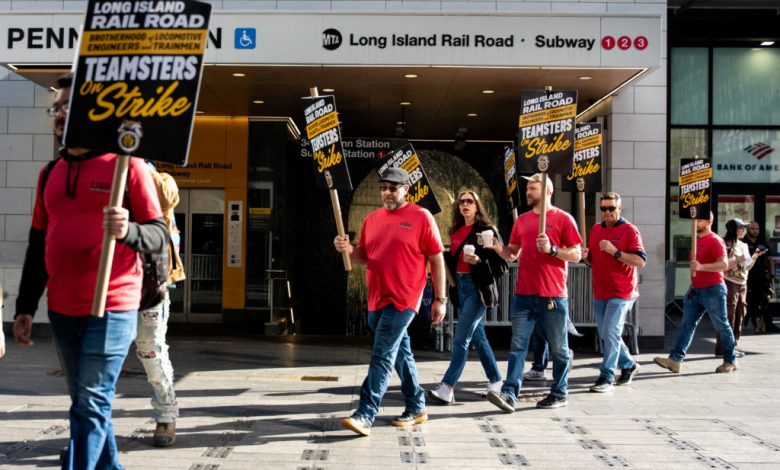
Gov. Kathy Hochul has announced a comprehensive emergency transit plan to mitigate the impact of a sudden rail strike that began this past Saturday. The strike, triggered by failed negotiations between the Metropolitan Transportation Authority (MTA) and rail unions, has brought significant disruption to commuter services, particularly affecting those traveling between Long Island and New York City. The emergency measures include the deployment of shuttle buses from Long Island into Queens and the enhancement of subway services to accommodate the increased demand. This proactive approach aims to alleviate the immediate transportation crisis while longer-term solutions are sought.
Rail Strike Overview
The rail strike was initiated following the breakdown of contract negotiations between the MTA and various rail unions representing the workers. The primary points of contention reportedly involve wages, benefits, and working conditions. With no agreement reached, union members opted to walk off the job, effectively shutting down the railroad and creating significant transportation challenges for hundreds of thousands of daily commuters. The sudden cessation of rail services has left many stranded and scrambling for alternative means of transportation.
Governor Hochul’s Response
In response to the crisis, Gov. Kathy Hochul swiftly mobilized state resources to develop and implement an emergency transit plan. Recognizing the critical need to maintain connectivity and minimize disruption, Hochul emphasized the importance of providing reliable alternatives for commuters. Her administration has been working closely with the MTA and other stakeholders to coordinate the emergency measures and ensure their effective implementation. Gov. Hochul stated, “We are committed to ensuring that New Yorkers can continue to get to work, school, and other essential appointments despite this unfortunate strike”.
Emergency Transit Plan Details
The emergency transit plan announced by Gov. Hochul comprises two primary components: the introduction of shuttle bus services and the enhancement of subway services. These measures are designed to provide alternative transportation options for commuters affected by the rail strike. The plan focuses on high-demand routes and aims to maximize the capacity and frequency of available services. The plan is meant to be temporary while negotiations continue; however, there is no telling how long the disruption could last.
Shuttle Bus Service
A key element of the emergency transit plan is the deployment of shuttle buses to transport commuters from Long Island into Queens. These shuttle buses will operate on strategic routes, connecting key Long Island communities with major subway lines in Queens. The goal is to provide a direct and efficient alternative for those who typically rely on the railroad to access New York City. The frequency and capacity of the shuttle bus service will be adjusted based on demand to ensure that commuters can travel with minimal delays. Details about the bus routes are expected to be posted at local stations and online. Similar disruptions have been seen in other sectors, such as the jet fuel industry, where a shortage in Europe caused concern for airlines. Read more about supply chain concerns.
Subway Service Enhancements
In addition to the shuttle bus service, the emergency transit plan includes enhancements to subway services, particularly on lines that connect with the Long Island Rail Road (LIRR) in Queens. The MTA will increase the frequency of trains on these lines and extend service hours to accommodate the anticipated surge in ridership. Additional personnel will be deployed to subway stations to assist commuters and ensure smooth operations. The enhanced subway service aims to provide a seamless transfer option for those using the shuttle buses and other alternative transportation modes.
MTA and Union Negotiations
The breakdown in negotiations between the MTA and rail unions underscores the complexities of labor relations in the transportation sector. The key issues at stake—wages, benefits, and working conditions—are critical to both the financial stability of the MTA and the well-being of its workforce. Reaching a mutually acceptable agreement requires compromise and a willingness to address the concerns of all parties involved. The state of New York may step in, similar to how the federal government acted when tariffs were deemed illegal after the Trump administration imposed global import taxes. The longer the negotiations drag on, the more likely outside intervention will become.
Impact on Commuters
The rail strike has a significant impact on commuters, particularly those who rely on the LIRR for their daily commute. The sudden disruption in service has caused delays, overcrowding, and increased travel times. Many commuters have had to find alternative means of transportation, such as driving, carpooling, or using ride-sharing services, which can be more expensive and less convenient. The strike also affects businesses and organizations that depend on the reliable transportation of employees and customers. The success of Gov. Hochul’s plan remains to be seen.
Economic Consequences of the Strike
Beyond the immediate inconvenience to commuters, the rail strike carries broader economic consequences. The disruption in transportation can lead to decreased productivity, reduced business activity, and potential losses for retailers and other businesses that rely on commuter traffic. The strike also impacts the tourism industry, as visitors may be deterred from traveling to New York City and Long Island. The overall economic impact of the strike will depend on its duration and the effectiveness of the emergency transit measures in mitigating its effects. Additionally, cybersecurity vulnerabilities can exacerbate these concerns, as seen in the Shinyhunters breach affecting schools. These incidents can further disrupt daily life and economic activities.
Legal and Political Ramifications
The rail strike also has legal and political ramifications. The legality of the strike itself may be subject to legal challenges, particularly if it violates any existing labor agreements or regulations. The strike also puts political pressure on Gov. Hochul and other elected officials to resolve the dispute and restore rail service as quickly as possible. The handling of the strike can have significant implications for their political standing and future electoral prospects. The decision to halt grants by the Trump administration was also deemed unconstitutional, highlighting the legal hurdles such decisions can face.
Alternative Transportation Options
In addition to the emergency transit measures implemented by the state, commuters have several alternative transportation options to consider during the rail strike. These include driving, carpooling, ride-sharing services, and other forms of public transportation. However, these alternatives may be more expensive, less convenient, or subject to increased congestion. Commuters are advised to plan their trips carefully and allow for extra travel time. The UAE’s warning of a shift to Yuan oil sales also underscores the need for diverse economic strategies during crises, impacting various sectors including transportation.
Prospects for Resolution
The prospects for a swift resolution to the rail strike remain uncertain. Both the MTA and the rail unions have expressed a willingness to return to the negotiating table, but significant differences remain. Mediation or arbitration may be necessary to help bridge the gap and reach a mutually acceptable agreement. The duration of the strike will depend on the willingness of both parties to compromise and the effectiveness of any intervention efforts. The situation remains fluid, with the potential for further disruptions if negotiations stall. In international relations, similar negotiations have been observed, such as in the context of Syria peace talks involving Israel, where long-term stability requires compromise and sustained dialogue.
| Component | Details | Objective |
|---|---|---|
| Shuttle Bus Service | Buses from Long Island to Queens | Provide direct alternative to LIRR |
| Subway Enhancements | Increased frequency and extended hours | Accommodate increased ridership |
| Alternative Options | Carpooling, ride-sharing, other public transit | Supplement emergency measures |
Conclusion
The rail strike and Gov. Hochul’s emergency transit plan highlight the importance of reliable transportation infrastructure and the potential consequences of labor disputes. While the emergency measures aim to mitigate the immediate impact of the strike, a longer-term solution requires a negotiated agreement between the MTA and the rail unions. Commuters and businesses alike are hoping for a swift resolution to this disruption. Highlighting the fragile state of the world, the army ground drone breakthroughs are also being developed to ensure the safe transport of people and goods in case of emergency situations.