Bear Attack in Glacier National Park: First Fatality Since 1998
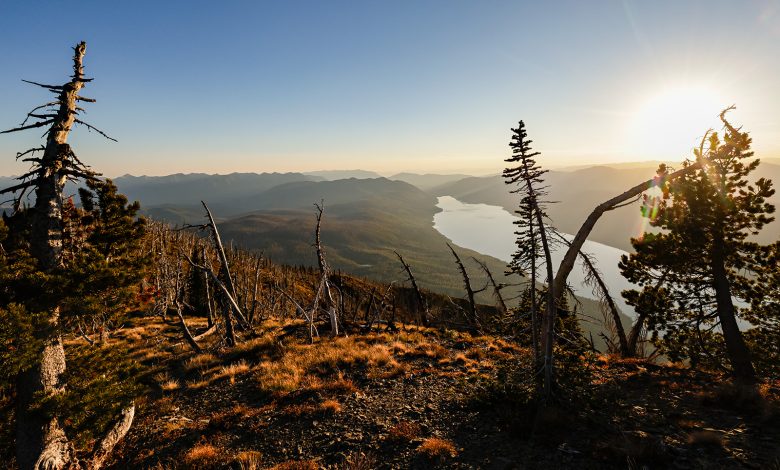
A fatal bear attack has occurred in Glacier National Park, marking the first deadly incident of its kind since 1998. Search-and-rescue teams discovered the hiker’s body around noon, according to a statement released by the park. The incident has prompted an ongoing investigation by wildlife and law enforcement personnel to assess bear activity and ensure public safety. This event has raised concerns about visitor safety and wildlife management within the park.
Introduction
The recent bear attack in Glacier National Park has sent shockwaves through the community and among park visitors. Glacier National Park, known for its stunning landscapes and diverse wildlife, is home to a significant bear population, including both black bears and grizzly bears. The park has a long history of human-wildlife interactions, but fatal encounters are rare. The last deadly bear attack occurred nearly three decades ago, making this incident particularly distressing. Park officials are now focused on determining the circumstances surrounding the attack and implementing measures to prevent future tragedies. Understanding bear behavior, adhering to safety guidelines, and respecting wildlife are crucial for ensuring visitor safety in bear country.
Details of the Bear Attack Incident
The bear attack occurred on the Mount Brown Trail, a popular hiking route within Glacier National Park. The hiker’s body was discovered approximately 2½ miles up the trail in a densely wooded area with downed timber, about 50 feet off the marked path. The park’s statement indicated that the hiker’s injuries were consistent with those sustained during a bear encounter. The exact sequence of events leading to the attack remains under investigation. Wildlife and law enforcement personnel are meticulously examining the site for evidence of bear activity and assessing any potential ongoing threats to public safety. The quick response of the search-and-rescue teams was crucial in locating the victim and initiating the investigation.
Victim and Notification Process
Glacier National Park has not released the identity of the victim, adhering to a standard protocol of waiting 72 hours after the family has been notified. This waiting period respects the family’s privacy during a difficult time and ensures that they are the first to receive the tragic news. The park’s commitment to this process underscores its sensitivity to the personal impact of such incidents. Once the notification period has elapsed, the park will release the victim’s identity, providing further details to the public and the media. This practice aligns with established procedures for handling sensitive information in the wake of such incidents. The park is likely working closely with local authorities and support services to provide assistance to the victim’s family.
Official Statement from Glacier National Park
The official statement from Glacier National Park provided essential details about the incident, emphasizing the park’s commitment to transparency and public safety. The statement confirmed the discovery of the hiker’s body and the initial assessment of bear-related injuries. It also outlined the ongoing investigation by wildlife and law enforcement personnel, aimed at determining the extent of bear activity in the area and any potential risks to visitors. The park reiterated the importance of adhering to safety guidelines and remaining vigilant while hiking in bear country. The statement serves as a vital communication tool, keeping the public informed and providing reassurance that the park is taking the necessary steps to address the situation. It is also a reminder of the inherent risks associated with recreating in a natural environment inhabited by wildlife.
Ongoing Investigation and Safety Measures
The ongoing investigation into the bear attack involves a comprehensive assessment of the area by wildlife and law enforcement personnel. This includes identifying the type of bear involved (black bear or grizzly), analyzing bear behavior patterns, and determining any factors that may have contributed to the attack. The investigation aims to provide a clear understanding of the incident and inform future safety measures. In the immediate aftermath of the attack, the park has implemented temporary trail closures and increased bear awareness patrols. These measures are designed to protect visitors and prevent further encounters. The investigation’s findings will likely influence long-term strategies for bear management and visitor safety within the park. Maintaining a balance between wildlife conservation and human safety remains a top priority for park officials. It is imperative to understand the risks and implement preventative measures, similar to how the IDF stabilizes new Israeli lines to provide security in sensitive regions .
Location of the Attack: Mount Brown Trail
The Mount Brown Trail, where the bear attack occurred, is known for its challenging terrain and dense vegetation. The trail ascends through a heavily wooded area, providing ample cover for wildlife, including bears. The presence of downed timber further complicates visibility and maneuverability, increasing the potential for surprise encounters. Hikers on this trail often seek panoramic views from higher elevations, but the dense forest at lower levels requires extra caution. The specific location of the attack, 50 feet off the trail, suggests that the hiker may have inadvertently wandered into an area frequented by bears or been caught off guard by the animal’s presence. The characteristics of the Mount Brown Trail highlight the importance of staying on marked paths and being aware of one’s surroundings in bear country.
Historical Context: Previous Bear Attacks
The fact that this is the first deadly bear attack in Glacier National Park since 1998 underscores the rarity of such incidents. While bear encounters are not uncommon, most do not result in serious injuries or fatalities. The park has a long history of managing bear populations and educating visitors about bear safety. The previous deadly attack occurred nearly three decades ago, highlighting the effectiveness of existing safety measures. However, each incident serves as a reminder of the potential risks and the need for continuous vigilance. Park officials regularly review and update their bear management strategies based on the latest research and incident data. The historical context of bear attacks in the park provides valuable insights into long-term trends and patterns, informing current safety protocols. The rarity of such attacks does not diminish the importance of preparedness, similar to how the US assesses strike options against Iran, despite ongoing negotiations .
Bear Population in Glacier National Park
Glacier National Park is home to an estimated 1,000 bears, including both black bears and grizzly bears. In 2023, the park estimated that around 300 grizzly bears resided within its boundaries. These bear populations are carefully managed to ensure their long-term health and sustainability. The park conducts regular bear population surveys and monitors their movements to assess their distribution and habitat use. Understanding the dynamics of bear populations is crucial for mitigating potential conflicts with humans. The presence of both black bears and grizzly bears adds complexity to bear management strategies, as each species has distinct behaviors and habitat preferences. Maintaining a healthy bear population is an integral part of preserving the ecological integrity of Glacier National Park. The balance of maintaining healthy population sizes are often difficult, just as China faces challenges in meeting its silicon wafer targets .
Bear Safety Guidelines for Visitors
Glacier National Park provides comprehensive bear safety guidelines to help visitors minimize their risk of encountering bears and avoid potential conflicts. These guidelines include carrying bear spray, making noise while hiking, and storing food properly. Bear spray is a highly effective deterrent that can be used to ward off an aggressive bear. Making noise alerts bears to your presence, reducing the likelihood of a surprise encounter. Storing food in bear-resistant containers prevents bears from being attracted to campsites or trails. The park also advises visitors to hike in groups and avoid hiking alone, as larger groups are less likely to be targeted by bears. Education and awareness are key components of bear safety, empowering visitors to make informed decisions and take proactive measures to protect themselves. Regularly reviewing and reinforcing these guidelines helps ensure that visitors are well-prepared for recreating in bear country.
Expert Opinion on Bear Behavior
Experts in bear behavior emphasize that bears are generally not aggressive towards humans unless they feel threatened or are defending their young. Understanding bear behavior is essential for preventing negative encounters. Bears are opportunistic feeders and are often attracted to human food sources, which can lead to habituation and increased risk of conflict. Experts recommend maintaining a safe distance from bears and avoiding any actions that could be perceived as threatening. In the event of a bear encounter, remaining calm and slowly backing away is often the best course of action. Bear attacks are rare but can occur if a bear feels cornered or provoked. Experts stress the importance of respecting bear habitat and taking precautions to minimize the risk of encounters. The insights of bear behavior specialists are invaluable for developing effective safety strategies and promoting responsible coexistence with wildlife.
Glacier National Park’s Preventative Measures
Glacier National Park implements a range of preventative measures to minimize the risk of bear attacks and ensure visitor safety. These measures include bear awareness campaigns, trail closures during periods of high bear activity, and the installation of bear-resistant food storage containers. The park also conducts regular patrols to monitor bear activity and enforce safety regulations. Bear awareness campaigns educate visitors about bear behavior and safety guidelines. Trail closures are implemented in areas where bears are known to be active, reducing the likelihood of encounters. Bear-resistant food storage containers prevent bears from accessing human food sources, minimizing their attraction to campsites. The park’s proactive approach to bear management reflects its commitment to providing a safe and enjoyable experience for visitors while protecting wildlife. These preventative measures are continuously evaluated and adapted based on the latest scientific research and incident data.
Comparison of Bear Species in Glacier National Park
| Characteristic | Black Bear | Grizzly Bear |
|---|---|---|
| Size | Smaller, typically 200-400 lbs | Larger, typically 300-600 lbs |
| Color | Varies: black, brown, cinnamon | Usually brown, but can vary |
| Shoulder Hump | Absent | Prominent |
| Claws | Shorter, curved | Longer, straighter |
| Temperament | Generally less aggressive | Potentially more aggressive, especially when defending cubs or food |
| Habitat | Forested areas | More open areas, subalpine regions |
| Diet | Omnivorous: berries, insects, fish, small mammals | Omnivorous: roots, berries, insects, large mammals |
Conclusion
The recent fatal bear attack in Glacier National Park serves as a somber reminder of the potential risks associated with recreating in wild areas. While such incidents are rare, they underscore the importance of adhering to bear safety guidelines and remaining vigilant while in bear country. The ongoing investigation aims to provide a clearer understanding of the circumstances surrounding the attack and inform future safety measures. Glacier National Park remains committed to protecting both its visitors and its wildlife, and continues to implement proactive strategies for bear management. By staying informed, following safety protocols, and respecting wildlife, visitors can help minimize the risk of bear encounters and ensure a safe and enjoyable experience in Glacier National Park. It is also crucial to remain aware of surroundings, much like how one should be aware of drug war deaths mounting as the US military strikes escalate in the Caribbean .