Netanyahu: The Ceasefire With Iran Could End Quickly
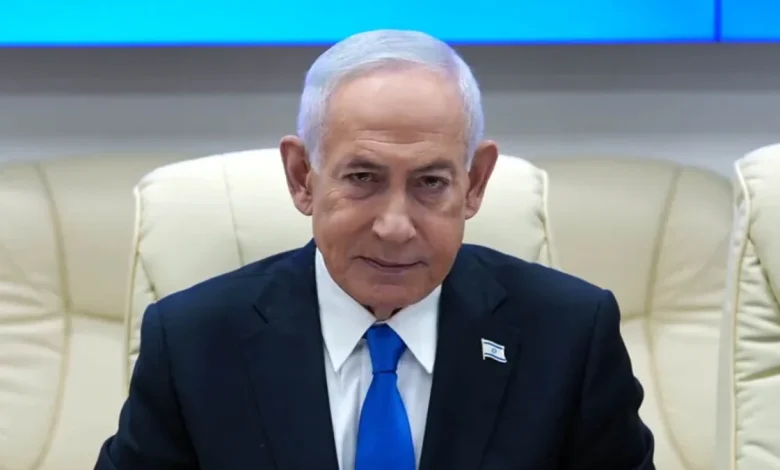
Netanyahu has recently captured the attention of global diplomats by issuing a stark, uncompromising warning regarding the fragile state of Middle Eastern diplomacy: the newly brokered ceasefire with Iran could unravel at a moment’s notice. This bold assertion has raised eyebrows across international corridors of power, not merely because of the severity of the claim, but because the Israeli Prime Minister represents a nation that is explicitly not a formal signatory or participating party to this specific agreement. The dynamics of a leader forecasting the doom of a treaty from the outside looking in offers a profound glimpse into the intricate, often contradictory nature of modern geopolitical strategy. As the world watches to see if the delicate truce will hold, the rhetoric emanating from Jerusalem serves as a constant reminder that in the Middle East, official agreements rarely encompass the full spectrum of regional hostilities. In this comprehensive analysis, we delve deep into the paradox of this diplomatic posturing, the historical underpinnings of the Israel-Iran conflict, and the broader global implications of a ceasefire that may be resting on borrowed time.
The Paradox of Netanyahu’s Warning
The core irony of the current geopolitical landscape centers on a leader predicting the collapse of an international truce that his own government had no hand in drafting. When assessing the intricacies of international relations, it is highly unusual for a non-participating head of state to publicly undermine the longevity of a multinational diplomatic achievement. Yet, in the volatile theater of the Middle East, such conventions are frequently discarded in favor of raw, strategic messaging. By vocalizing profound skepticism, the Israeli leadership is effectively attempting to shape the narrative, ensuring that global powers do not become dangerously complacent. The warning functions as a dual-purpose mechanism: it alerts allies like the United States to remain vigilant while signaling to adversaries that Israel’s military readiness remains unaffected by ink on a page. This calculated rhetoric underscores a foundational belief in Jerusalem that diplomatic pauses are often merely tactical delays utilized by adversaries to rearm and recalibrate. Consequently, the assertion that the truce could end rapidly is less a prophecy and more a declaration of unyielding defensive posture. It forces the international community to acknowledge that regional security cannot be neatly packaged in treaties that ignore the primary combatants in the overarching shadow war.
Israel’s Exclusion from the Formal Agreement
Understanding why Israel finds itself on the periphery of these specific negotiations requires a deep dive into the mechanics of contemporary diplomacy. The ceasefire in question was primarily architected by Western powers, regional Arab states, and Iranian representatives seeking to de-escalate immediate, widespread conventional threats. Integrating Israel directly into these talks was deemed diplomatically untenable by the mediators, given Tehran’s longstanding refusal to formally recognize the Israeli state. Consequently, the agreement addresses broader regional security, nuclear enrichment pauses, and the lifting of specific sanctions, while largely sidestepping the direct, localized confrontations between Israeli forces and Iranian proxies. This exclusion leaves Jerusalem in a precarious position. Without a seat at the table, Israeli security officials are forced to rely on secondary assurances from Washington and European allies. This detachment fuels a natural skepticism. When a nation’s existential security concerns are relegated to side conversations rather than core treaty clauses, its leaders are inherently incentivized to highlight the fragility of the arrangement. In many ways, the explicit exclusion of Israel from the negotiation room all but guaranteed that its leadership would serve as the primary critics of the resulting accord.
Geopolitical Ramifications of a Broken Truce
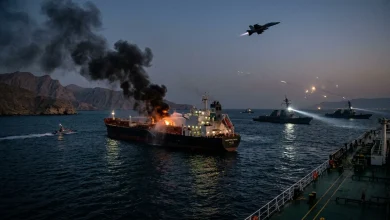
Should the current ceasefire collapse as precipitously as predicted, the geopolitical shockwaves would extend far beyond the immediate borders of the Middle East. The delicate balance maintained by this treaty represents a crucial linchpin for global energy markets, international shipping routes, and the broader strategic alignment of superpowers. A sudden resumption of hostilities would likely draw in external actors, forcing the United States and its European allies into a reactive, potentially escalatory posture. Furthermore, the credibility of international diplomatic institutions is heavily invested in the success of this agreement. To understand the gravity of diplomatic failures in this arena, one need only look back at the historical reasons why previous U.S.-Iran negotiations failed, revealing a persistent pattern of misaligned objectives and deeply entrenched mistrust. If the current truce shatters, it will validate the skepticism of hardliners on all sides, effectively poisoning the well for future diplomatic endeavors. The resulting power vacuum could embolden opportunistic state and non-state actors, leading to an accelerated arms race and a catastrophic destabilization of an already volatile region.
Immediate Threats to Regional Stability
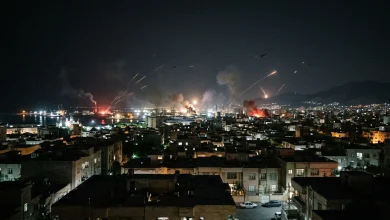
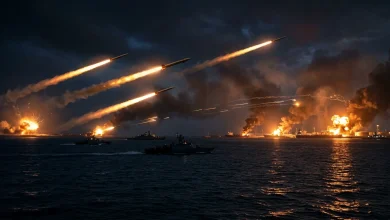
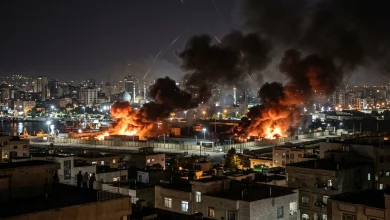
The immediate fallout from a fractured agreement would manifest most severely in the Levant and the Persian Gulf. Proxy militias, which have been temporarily restrained by the terms of the broader agreement, would almost certainly receive the green light to resume operations. The interconnected nature of Middle Eastern conflicts means that a breakdown in the main treaty inevitably sparks peripheral brushfires. For instance, Iranian officials have previously made it abundantly clear that excluding Lebanon from the broader ceasefire risks a new war, demonstrating how deeply intertwined these regional theaters are. A renewed conflict would see a surge in rocket attacks, drone strikes, and covert sabotage operations, paralyzing civilian life and crippling local economies. Neighboring countries, particularly those hosting significant refugee populations or crucial military installations, would find themselves inadvertently dragged into the crossfire. The rapid deterioration of stability would also severely hamper any ongoing humanitarian efforts, exacerbating crises that have already displaced millions. The fragility of this peace is not merely a political talking point; it is a vital shield protecting the daily lives of countless civilians across multiple nations.
Historical Context: Israel and Iran’s Shadow War
To fully grasp the weight of the current rhetoric, it is essential to contextualize it within the decades-long shadow war waged between Israel and Iran. This protracted conflict has largely avoided direct, state-on-state conventional warfare, favoring instead a complex tapestry of cyber attacks, targeted assassinations, maritime sabotage, and proxy engagements. For decades, Tehran has cultivated a formidable network of allied militias—the so-called Axis of Resistance—strategically positioned along Israel’s borders. Conversely, Israel has executed an unrelenting campaign to disrupt Iranian supply lines, neutralize key military personnel, and thwart nuclear ambitions. This historical backdrop renders any formal ceasefire highly suspicious in the eyes of Israeli strategists. They view international agreements as temporary pauses that fail to address the fundamental, ideological roots of the conflict. The shadow war has conditioned leadership in Jerusalem to operate on the assumption of continuous, covert hostility. Therefore, warning that a ceasefire might end quickly is a natural extension of an established defense doctrine that prioritizes preemptive readiness over diplomatic optimism.
Proxy Conflicts and Border Tensions
The most visible manifestation of the Israel-Iran rivalry occurs along Israel’s northern and southern frontiers. Hezbollah in Lebanon, various militias in Syria, and Hamas in Gaza have long served as the vanguard of Iranian influence, executing military operations that provide Tehran with plausible deniability. Any overarching ceasefire that fails to permanently dismantle these proxy networks is inherently viewed by Israel as a tactical ceasefire rather than a true resolution. The ongoing border tensions are a constant reminder of the physical proximity of the threat. In fact, many regional analysts argue that true, lasting peace requires moving beyond the current political paradigms involving Netanyahu and Hezbollah, suggesting that the entrenched leadership on all sides may be structurally incapable of securing permanent peace. As long as advanced weaponry continues to flow across porous borders and subterranean tunnel networks remain operational, the physical infrastructure for immediate escalation exists. A ceasefire, in this context, is simply a period during which the weapons remain unfired, not a period in which they are removed from the battlefield.
Analyzing the Ceasefire Agreement Dynamics
Evaluating the mechanics of the ceasefire itself reveals inherent vulnerabilities that justify external skepticism. Diplomatic agreements of this magnitude are often constructed with intentional ambiguities to satisfy the domestic political requirements of the varied signatories. These gray areas, while useful for securing signatures, become significant liabilities during the implementation phase. Disputes over verification mechanisms, the specific timeline for sanctions relief, and the definition of acceptable defensive military maneuvers frequently create friction points. When an external observer with vital intelligence capabilities highlights these flaws, it forces the international community to confront the uncomfortable reality of their diplomatic compromises. The structural integrity of the ceasefire is entirely dependent on the continuous goodwill and self-restraint of nations that harbor deep-seated animosity toward one another. Without robust enforcement mechanisms and severe, guaranteed penalties for infractions, the agreement remains functionally fragile, susceptible to collapse from even a minor tactical miscalculation.
Key Stakeholders vs External Observers
The dichotomy between those inside the negotiating room and those observing from the outside provides crucial context for the ongoing geopolitical debate. The table below outlines the varying positions and primary strategic objectives of the entities involved, illustrating why consensus is so difficult to maintain.
| Entity | Status in Agreement | Primary Strategic Objective | Stance on Ceasefire Longevity |
|---|---|---|---|
| United States | Primary Broker | De-escalation and regional stabilization | Highly invested, pushing for long-term adherence |
| Iran | Primary Signatory | Sanctions relief and tactical regrouping | Conditionally supportive, contingent on economic benefits |
| Israel | Non-Party / External Observer | National security and threat neutralization | Highly skeptical, predicting rapid collapse |
| European Union | Mediator / Guarantor | Energy security and diplomatic prestige | Cautiously optimistic, focused on verification |
This stark contrast in strategic objectives highlights the fundamental instability of the arrangement. When the most militarily capable regional power is relegated to an external observer role, its natural recourse is to prepare for the agreement’s failure.
Economic and Military Impacts of Uncertainty
The perpetual threat of an ending ceasefire casts a long, dark shadow over global economic and military planning. Uncertainty is the enemy of market stability. When leaders issue dire warnings about impending conflict, international investors instinctively retreat to safe-haven assets, driving up the cost of commodities like gold and crude oil. The defense industrial base is also forced to operate in a state of continuous overdrive, stockpiling munitions and accelerating procurement timelines to prepare for a sudden outbreak of hostilities. This state of limbo drains resources that could otherwise be allocated to domestic infrastructure and economic development. Furthermore, international financial institutions have repeatedly stressed the dangers of this instability; notably, the Bank of England warned that a U.S.-Iran war threatens global markets with a level of disruption unseen since the major oil shocks of the late 20th century. The mere anticipation of a broken truce functions as an invisible tax on global commerce, stunting growth and fostering widespread financial anxiety.
Market Fluctuations Amidst War Rhetoric
The financial markets operate as a highly sensitive barometer for geopolitical tension. Each provocative statement regarding the ceasefire triggers immediate, observable fluctuations in equities, currencies, and energy futures. Traders algorithms are acutely tuned to parse statements from key regional leaders, adjusting risk models in real-time. When a warning is issued that a truce may collapse rapidly, insurance premiums for commercial shipping through crucial maritime chokepoints skyrocket, directly impacting the cost of consumer goods worldwide. This environment of heightened volatility creates a vicious cycle: political rhetoric destabilizes markets, and the resulting economic pressure often exacerbates the very political tensions that initiated the cycle. To gain deeper insight into how massive global entities view these risks, one can observe the extensive coverage by Reuters global reporting on the Middle East, which continuously tracks the intersection of diplomacy and economic impact. The financial ecosystem is inextricably linked to the fragile diplomatic arrangements holding back full-scale conflict.
Strategic Posturing or Genuine Threat?
Disentangling genuine intelligence assessments from calculated strategic posturing is a formidable challenge for diplomatic analysts. Is the assertion that the ceasefire will end quickly based on actionable, classified intelligence detailing imminent violations, or is it a rhetorical tool designed to maintain pressure on allies? In all likelihood, it is a sophisticated blend of both. Intelligence agencies possess vast troves of data indicating that adversaries continuously test the boundaries of international agreements. Highlighting these minor infractions through bold public statements serves to prevent the normalization of violations. Moreover, projecting an image of unyielding readiness acts as a powerful deterrent. If an adversary believes that a nation is lulled into complacency by a treaty, they may be tempted to launch a surprise offensive. By loudly and consistently predicting the failure of the truce, leadership ensures that their military apparatus remains on high alert and that their adversaries are fully aware of this readiness. It is a dangerous, high-stakes game of psychological warfare played out on the global stage.
Domestic Politics Influencing Foreign Policy
It is impossible to analyze foreign policy declarations without acknowledging the profound influence of domestic political survival. Leaders operating within highly fractured, hyper-partisan political systems frequently utilize strong national security rhetoric to unify their domestic base and deflect attention from internal controversies. Projecting strength against a formidable external adversary is a time-tested political strategy. By adopting an uncompromising stance on a flawed international agreement, a leader can position themselves as the sole defender of national sovereignty, appealing to conservative factions and security-minded voters. This domestic calculus often drives international posturing, complicating the efforts of diplomats attempting to forge lasting compromises. For instance, ongoing delays in the Lebanon ceasefire arrangements are frequently analyzed through the lens of internal political maneuvering just as much as through external security metrics. The intertwining of personal political legacy with existential national security decisions creates a volatile environment where the collapse of a ceasefire might, paradoxically, offer short-term political dividends, even as it invites long-term strategic peril. Ultimately, the survival of the Iran ceasefire will depend on a delicate equilibrium of global pressure, regional deterrence, and the unpredictable currents of domestic politics.