Lebanon Ceasefire Delayed: Will Netanyahu Prolong the Truce?
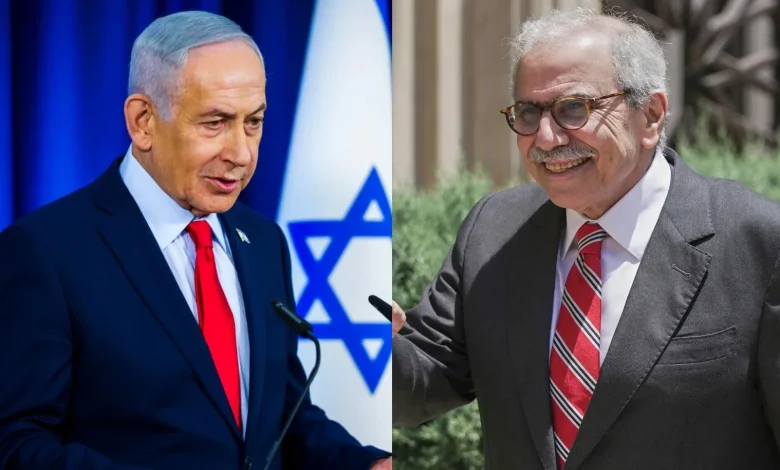
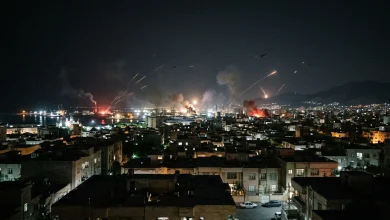
Lebanon stands on the precipice of a historic ceasefire, a desperately needed reprieve that the international community had hoped would apply by this weekend. However, the complex geopolitical realities of the Middle East, coupled with the strategic calculations of Israeli Prime Minister Benjamin Netanyahu, suggest that the finalization of this agreement may be dragged into next week. Either way, diplomatic channels and backroom negotiations indicate that it is happening, and when implemented, it will likely last for a long time, potentially becoming a permanent cessation of hostilities. The resilience of the population in the face of unprecedented destruction underscores a powerful sentiment: they deserve it after everything they have been through. This comprehensive analysis dives deep into the intricate layers of the pending ceasefire, exploring the political motivations, the economic ramifications, and the regional shifts that will define the future of the Levant.
The Diplomatic Chessboard: Why the Delay Until Next Week?
The anticipation of a weekend ceasefire has been palpable across international news outlets and diplomatic corridors. Mediators from the United States, France, and regional powerhouses have worked tirelessly to draft a framework that satisfies both Israeli security concerns and Lebanese sovereignty requirements. Yet, the final stroke of the pen remains elusive. The delay is not merely administrative; it is deeply rooted in the strategic posturing required before a formal cessation of hostilities. Every hour is leveraged to secure advantageous positioning, both militarily on the ground and politically in domestic spheres. The transition from active conflict to a sustainable truce requires meticulous detailing of border demarcations, specifically concerning the contested Blue Line, and the operational mandate of international peacekeeping forces. Rushing these details for a weekend headline could jeopardize the long-term stability that the agreement seeks to establish, making a delay into next week a frustrating but perhaps necessary evil for a durable outcome.
Benjamin Netanyahu’s Strategic Calculations
To understand the delay, one must closely analyze the domestic and political pressures facing Israeli Prime Minister Benjamin Netanyahu. Netanyahu operates within a highly polarized coalition government, where right-wing factions consistently demand decisive, unwavering military outcomes. Agreeing to a ceasefire, even one that heavily favors Israeli security perimeters, requires Netanyahu to carefully manage the optics of the agreement. By dragging the negotiations into next week, he can project an image of unyielding strength, demonstrating to his political base that every concession was forcefully extracted. Furthermore, the delay allows the military apparatus additional time to finalize tactical objectives, dismantle forward operating infrastructure, and solidify defensive postures before the guns fall silent. Netanyahu’s timeline is dictated not just by the readiness of the adversary, but by the volatile thermometer of his own political survival. This calculated stalling is a hallmark of high-stakes Middle Eastern diplomacy, where time is weaponized just as effectively as traditional armaments.
International Pressure and Mediation Efforts
Despite the stalling tactics, the international community is exerting unprecedented pressure to bring the conflict to a definitive halt. The United States, acting as the primary broker, has deployed senior envoys to shuttle between capitals, attempting to bridge the final gaps in the proposed agreement. European nations are equally invested, recognizing that prolonged instability in the Levant has direct implications for their own security and migration policies. French diplomatic efforts, historically tied to the region, have been instrumental in maintaining open lines of communication with all factions involved. The consensus among these international mediators is clear: the architecture for a permanent ceasefire is practically complete, awaiting only the political green light. The intense focus is now on ensuring that the mechanisms for enforcement—such as the strengthening of the Lebanese Armed Forces and the revitalization of UN Security Council Resolution 1701—are robust enough to prevent future escalations.
What a Permanent Ceasefire Means for Lebanon
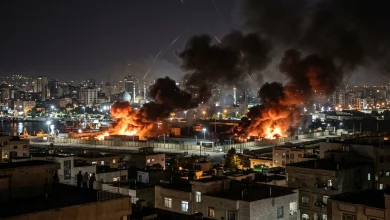
For the nation at the heart of this conflict, a permanent ceasefire is not merely a political victory; it is a fundamental prerequisite for survival and resurrection. The humanitarian toll of the recent escalations has been catastrophic, with massive civilian displacement, the decimation of critical infrastructure, and an agricultural sector largely turned to ash. The promise of a ceasefire that could “last for a long time, potentially becoming permanent” offers a beacon of hope to a population that has endured relentless psychological and physical trauma. It means the possibility of returning to southern villages, rebuilding shattered homes, and restoring a semblance of normalcy to a generation that has grown accustomed to the sounds of aerial bombardments. The phrase “you deserve it after everything you’ve been through” captures the profound international sympathy for the civilian populace, recognizing their extraordinary endurance in the face of overlapping economic, political, and military crises.
Economic Relief and Recovery Timelines
The economic dimensions of this prospective ceasefire cannot be overstated. Even prior to the recent military escalations, the national economy was suffering from one of the most severe financial collapses in modern history, characterized by hyperinflation, banking paralysis, and skyrocketing poverty rates. A permanent cessation of hostilities is the critical first step required to unlock international financial assistance. Institutions like the International Monetary Fund (IMF) and the World Bank have predicated significant bailout packages on regional stability and internal political reforms. With a secure border, the government can begin the arduous task of reconstructing the southern infrastructure, revitalizing the crucial tourism sector, and stabilizing the local currency. However, the recovery timeline will be measured in decades rather than months. The immediate postwar period will require massive infusions of foreign aid just to address the urgent humanitarian needs, such as healthcare, clean water access, and emergency housing for hundreds of thousands of internally displaced persons.
Geopolitical Ramifications in the Broader Middle East
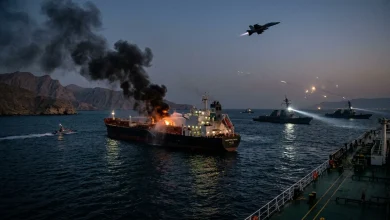
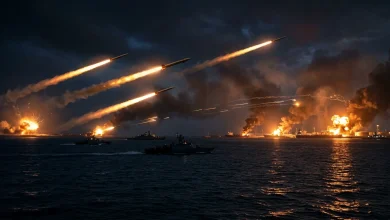
The implications of this ceasefire extend far beyond the immediate border regions, reverberating throughout the entire Middle Eastern geopolitical landscape. This truce is intrinsically linked to the broader proxy dynamics involving Iran, Israel, and allied regional forces. A stabilization of this northern front could de-escalate tensions across other regional flashpoints or, conversely, force a realignment of strategic priorities. For a deeper understanding of how these shifts are impacting global energy markets and proxy warfare, one must consider the recent global energy fallout resulting from interconnected regional strikes. Furthermore, the active involvement of European leadership in mediating these disputes highlights the globalized nature of the conflict. Initiatives such as recent Middle East tours by European leaders demonstrate a concerted effort to weave localized ceasefires into a broader tapestry of regional security agreements. The success or failure of this permanent ceasefire will serve as a bellwether for future diplomatic engagements with other state and non-state actors in the region.
Analyzing Regional Stability and Security Shifts
Achieving a permanent truce will significantly alter the security calculus for all surrounding nations. The continuous threat of a multi-front war has placed immense strain on international financial markets and global supply chains. Financial institutions have been closely monitoring the situation, acutely aware that an expansion of the conflict could trigger severe global recessions. The interconnectedness of modern warfare and economics is evident in financial crisis warnings issued by major central banks, which cite Middle Eastern instability as a primary risk factor. Additionally, the diplomatic fallout from the handling of this conflict has occasionally strained Western alliances, leading to broader geopolitical fractures regarding military support and airspace access. A lasting peace agreement would not only neutralize a major military flashpoint but also help repair fractured diplomatic relationships and restore confidence in global market stability. The security shifts will likely involve an augmented international peacekeeping presence, stricter arms embargo enforcement, and the deployment of advanced surveillance technologies to monitor compliance along the demarcated borders.
Ceasefire Timeline and Humanitarian Outlook
To visualize the forthcoming transition from conflict to stability, it is crucial to analyze the projected phases of the ceasefire implementation. The following data table outlines the expected progression of the agreement, from immediate cessation of violence to long-term reconstruction initiatives.
| Implementation Phase | Proposed Timeline | Primary Strategic Objectives | Anticipated Challenges |
|---|---|---|---|
| Phase 1: Immediate Truce | Next Week (Delayed) | Complete cessation of all hostilities, grounding of aircraft, halt of artillery. | Managing rogue factions, political resistance from Israeli hardliners. |
| Phase 2: Troop Withdrawal | Days 1 – 14 | Phased withdrawal of frontline combatants, repositioning behind agreed lines. | Logistical hurdles, verification of withdrawal by neutral observers. |
| Phase 3: Humanitarian Access | Days 15 – 30 | Opening of safe corridors for aid delivery, medical evacuations, returning IDPs. | Clearing unexploded ordnance, ensuring the safety of aid workers. |
| Phase 4: Permanent Treaty | Months 2 – 6 | Formalizing border demarcations, establishing long-term monitoring mechanisms. | Negotiating maritime and land border disputes, securing international funding. |
This phased approach is designed to build mutual confidence incrementally. The initial days will be fraught with tension, as both sides test the boundaries of the agreement. However, the structured rollout of humanitarian aid and the visible withdrawal of military assets are essential for transforming a fragile truce into a permanent state of non-belligerence.
Looking Ahead: The Path to Long-Term Peace
As the world watches and waits for the official announcement, the focus must shift toward the long-term sustainability of the peace. A permanent ceasefire cannot be sustained by military deterrence alone; it requires genuine political will, massive economic investment, and the active participation of civil society. The international community, led by organizations such as the United Nations, must remain engaged long after the ink has dried on the agreement. Ensuring that the structural causes of the conflict—such as border ambiguities, proxy influence, and economic disenfranchisement—are comprehensively addressed is the only way to guarantee that this tragedy is not repeated in the next decade. The delay until next week, while painful for those enduring the daily horrors of conflict, may provide the necessary time to forge an ironclad agreement. When the guns finally fall silent, the monumental task of rebuilding a nation will begin, driven by the undeniable truth that the people of this historically rich and culturally vibrant land truly deserve a lasting, permanent peace after everything they have endured.