Kuwaiti military intercepts hostile targets as regional conflict escalates 2026
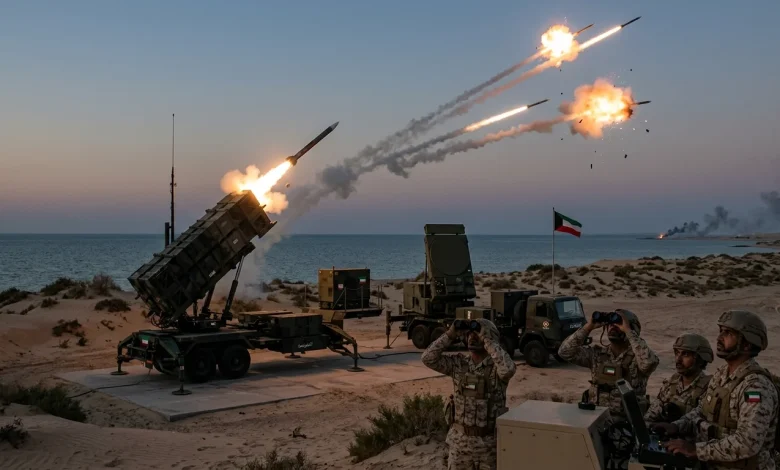
Table of Contents
Kuwaiti military units were thrust into high alert on Monday as their air defense systems engaged multiple waves of hostile drone and missile attacks, marking a major escalation in the wider Middle Eastern theater. The Middle East in mid-2026 has witnessed an unprecedented deterioration of security. Drone and missile salvos have increasingly crossed sovereign borders, turning the Arabian Gulf into an active arena of missile interception and civil alert. As the geopolitical landscape shifts under the weight of escalating tensions, the Gulf Cooperation Council (GCC) member states find themselves directly in the line of fire. On Monday, this volatile security dynamic reached a fever pitch, dragging both Kuwait and Bahrain into a state of high defense mobilization.
The current escalation comes amidst the escalating tensions between Iran and the United States. This friction has completely disrupted prior diplomatic arrangements and has sent shockwaves through regional capitals. The threat vector has transformed rapidly, utilizing sophisticated kamikaze unmanned aerial vehicles (UAVs) and low-altitude cruise missiles that challenge even the most advanced air defense networks in the region. Military analysts warn that this latest round of hostilities is not merely a localized exchange of fire, but rather a concerted effort to test the defensive coordination and political resolve of Gulf nations.
Under Attack: The Gulf Airspace Becomes a Warzone
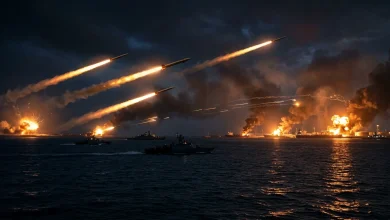
The rapidly evolving conflict has turned the peaceful skies of the Gulf into a highly monitored defense envelope. Both local armed forces and international coalition partners have spent months fortifying their radar arrays and battery networks, expecting retaliation as geopolitical dialogues break down. The current state of continuous alert represents a paradigm shift for regional security, where civilian population centers are increasingly exposed to the realities of active warfare. As drone swarms cross international maritime borders, the necessity for rapid interception has never been more critical.
In addition to tactical physical threats, the psychological impact on the civilian populations of these Gulf nations cannot be overstated. Sirens and sudden loud booms have become a regular occurrence, creating an atmosphere of chronic anxiety. Governments are actively working to balance military readiness with civic calm, deploying official spokespersons to state media channels to provide rapid, accurate updates and to debunk misinformation spread on social media platforms. Despite these efforts, the relentless pace of aerial threats continues to test the social and infrastructural resilience of the region.
Monday’s Double Interception in Kuwait
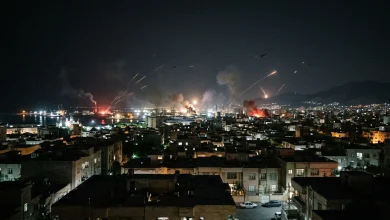
Kuwaiti military authorities announced that their air defense units were forced to intercept hostile targets for the second time on Monday. This development followed a volatile weekend where critical national infrastructure had already been targeted by Iranian-linked aerial salvos. In an official communication shared on social media platform X, the Kuwaiti General Staff confirmed that any sudden explosions heard in metropolitan areas and adjacent suburbs were the result of successful air defense interceptions.
The military’s proactive announcement was a clear attempt to manage public anxiety as loud booms reverberated through Kuwait City. The primary targets of these UAV waves appeared to be strategic military hubs and logistics infrastructure. Reports from security circles suggest that the initial Iranian salvos on Monday morning aimed to disable defensive radars and surveillance networks. These actions occurred in parallel with allegations that Iran adapts ballistic missiles to evade defenses, a development that has significantly narrowed the reaction window for regional air defense commanders. By employing decentralized drone swarms alongside high-speed ballistic assets, the attackers sought to oversaturate Kuwait’s air defense grid.
Security experts emphasize that these double interceptions represent a highly organized offensive design. By attacking in distinct waves, the adversaries aim to exploit the replenishment cycle of interceptor batteries. When an air defense system spends its ready-to-fire missiles on the first wave, there is a critical vulnerability window before the system can be reloaded. Kuwait’s ability to successfully neutralize the second wave on Monday afternoon demonstrates not only the technical sophistication of its hardware but also the high operational readiness and efficiency of its military personnel under extreme stress.
Sirens Blare in Bahrain as Threat Escalates
Further south, Bahrain experienced a similar atmosphere of imminent peril. Late on Monday afternoon, the country’s Interior Ministry activated air raid sirens for the third time in a single day, signaling incoming hostile aerial threats. The shrill sound of sirens echoed across the island nation, creating widespread disruption and forcing citizens and foreign residents to seek emergency shelters.
The activation of sirens in Bahrain underscores the expanding geographical scope of the current hostilities. Home to the United States Navy’s Fifth Fleet, Bahrain represents a vital strategic asset for Western forces operating in the Gulf. This makes the country a high-priority target for retaliatory strikes. Security analysts believe that the drone attacks targeting Bahrain aimed to disrupt air traffic control and maritime surveillance facilities. These strikes follow a series of defensive maneuvers where the royal armed forces mobilized to intercept incoming threats over northern territorial waters. The relentless nature of the alerts on Monday indicates that the regional threat is continuous, leaving little room for military personnel to stand down.
Furthermore, the Bahraini government has taken extra precautions by coordinating closely with international allies stationed at local bases. The proximity of civilian neighborhoods to key military installations in Bahrain creates a heightened risk of collateral damage. Consequently, emergency response teams, medical personnel, and civil defense units have been placed on a continuous 24-hour rotation. Public safety notices are being broadcast in multiple languages to ensure that the diverse expatriate population knows exactly how to respond when the sirens sound.
The Regional Dimensions of the Drone and Missile Barrage
The coordinated nature of the strikes on Kuwait and Bahrain cannot be viewed in isolation. They are part of a broader, synchronized campaign aimed at degrading US military partnerships in the Gulf. This escalation followed a series of intensive American operations, including targeted airstrikes against strategic Iranian installations. These strikes were designed to neutralize launching pads and drone storage depots inside Iran, but they have instead triggered a massive retaliatory wave across multiple fronts.
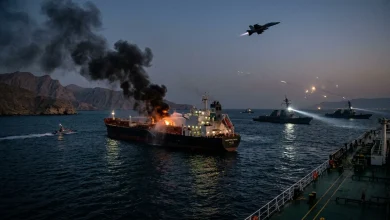
Apart from the direct threats to Kuwait and Bahrain, neighboring Jordan and commercial vessels in the Red Sea and Strait of Hormuz have also reported hostile actions. The regional air defense envelope is being tested to its absolute limit, placing a severe financial and material burden on allied partners. This operational pressure is already impacting the Pentagon’s regional deployment budgets, which have been severely strained by the persistent demand for high-cost Patriot interceptors and advanced radar maintenance. The systemic nature of these attacks demonstrates that the offensive strategy of using low-cost drones is highly effective at depleting expensive defensive resources.
Geopolitical Ramifications and Military Readiness
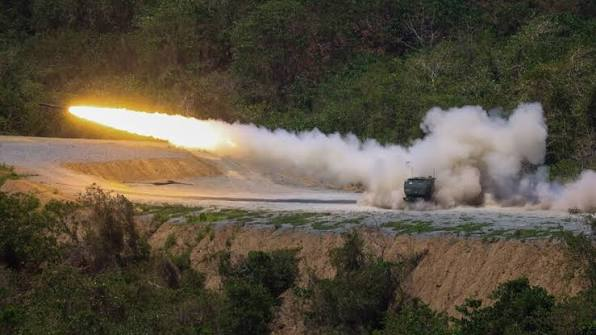
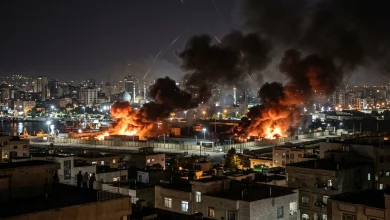
The strategic calculations of the GCC states are undergoing a rapid shift as a result of these constant bombardments. While Kuwait has historically maintained a diplomatic role of mediation and neutrality, the direct threat to its critical energy and utility infrastructure has forced a more defensive and vocal military stance. The blatant targeting of a desalination plant and power facility over the weekend highlights that civilian infrastructure is no longer off-limits in this conflict.
This alarming trend is a hallmark of the broader 2026 regional conflict, where traditional rules of engagement have been completely rewritten. Gulf nations are now realizing that their sophisticated urban centers and critical industrial zones are highly vulnerable to prolonged asymmetric warfare. In response, military coordination among GCC members has reached unprecedented levels, with joint radar-tracking and real-time intelligence-sharing networks activated to monitor the skies from Kuwait’s northern border down to the southern shores of Oman.
This newfound cooperative stance has also accelerated joint military procurement plans. GCC states are rapidly looking to diversify their defensive portfolios, seeking to integrate advanced directed-energy weapons (lasers) and artificial intelligence-driven tracking software capable of identifying drone swarms at much greater distances. The realization that defensive actions alone are unsustainable in a protracted war of attrition is driving a strategic re-evaluation of regional deterrence policies.
The Collapse of Peace Treaties and Back-Channel Diplomacy
The current security crisis represents a major setback for international diplomacy. Just weeks prior to this escalation, there were hopes that a Pakistani-mediated memorandum of understanding between Washington and Tehran would pave the way for a sustainable ceasefire. However, those diplomatic efforts collapsed rapidly after renewed disputes over maritime transit rights and unauthorized military deployments in the Gulf.
The breakdown of these agreements has left a diplomatic vacuum that is quickly being filled by military force. While back-channel talks are reportedly still ongoing in neutral capitals, the continuous sound of air raid sirens and the impact of drone strikes on commercial shipping lanes have made any immediate de-escalation highly unlikely. Both sides appear locked in a cycle of action and reaction, where backing down is viewed as a sign of weakness that could invite further aggression.
Diplomatic sources indicate that the core obstacle to any renewed agreement is the lack of mutual trust. Every defensive action is interpreted by the opposing side as a provocative gesture, prompting immediate retaliation. This cycle of escalation has eroded the progress made by international mediators, leaving regional security dependent almost entirely on the effectiveness of active air defense shields rather than diplomatic treaties.
Economic Disruptions and Energy Security Risks
The economic consequences of the ongoing conflict are reverberating far beyond the borders of the Middle East. The Arabian Gulf is the lifeblood of global energy supplies, and any threat to its stability immediately impacts international markets. The strikes on Kuwait’s energy assets and the direct threats to maritime lanes have caused a sharp spike in global oil prices and maritime insurance premiums.
For Kuwait, whose economy is heavily reliant on oil exports, the damage to local refining and processing facilities is a direct blow to its financial stability. The country has been forced to implement strict emergency protocols to safeguard its oil terminals and ensure the continuity of its utility grids. In Bahrain, the disruption to air traffic navigation and commercial logistics threatens its position as a regional financial and transit hub. If the airspace remains highly contested, commercial airlines may be forced to reroute flights, causing massive financial losses for regional aviation industries.
Furthermore, global supply chains are experiencing secondary delays as shipping conglomerates opt for longer, safer routes around the African continent rather than risking transit through the volatile waters of the Gulf and the Red Sea. This diversion has led to increased shipping costs, which are ultimately passed down to global consumers, fueling inflation and economic uncertainty worldwide.
Technical Analysis of Defense Interception Capabilities
To understand the military dynamics of Monday’s events, it is essential to examine the technical systems involved. Kuwait’s defense architecture relies heavily on a multi-layered system, incorporating US-made Patriot Advanced Capability-3 (PAC-3) systems alongside short-range defensive units. These systems are designed to detect, track, and destroy incoming tactical ballistic missiles and advanced cruise missiles.
However, the primary challenge in recent attacks has been the sheer volume of low-altitude, slow-moving kamikaze drones. These UAVs often have small radar cross-sections and fly close to the terrain, making them difficult for traditional radar arrays to track. This has necessitated the deployment of specialized electro-optical tracking systems and electronic warfare jamming units. The Kuwaiti military’s success in intensifying defensive missile operations has saved critical lives and infrastructure, but the high rate of interceptions raises serious concerns about the long-term sustainability of ammunition stockpiles.
Moreover, the integration of distinct systems remains a complex technical hurdle. Coordinating Kuwaiti, Bahraini, and allied US defense radars requires highly compatible communications networks to prevent friendly fire and ensure optimal targeting. As drone technology becomes cheaper and more autonomous, the defense networks must evolve from human-operated response systems to semi-automated, machine-learning platforms capable of processing hundreds of potential targets per minute.
Summary of Incidents and Strategic Responses
To provide a clearer picture of Monday’s events and the broader security landscape, the table below outlines the key incidents, defensive systems utilized, and immediate outcomes across the affected nations.
| Country | Key Incidents (Monday) | Primary Air Defense Systems | Reported Outcomes & Impact |
|---|---|---|---|
| Kuwait | Two distinct waves of hostile drone and missile interceptions; targeting of strategic hubs. | PAC-3 Patriot Systems, Skyguard Air Defense, Electronic Jamming | Hostile targets successfully intercepted; no immediate casualties; loud explosions reported. |
| Bahrain | Three activations of national air raid sirens; drone attacks targeting air traffic equipment. | Advanced Radar Networks, Point Defense Missile Systems | Successful interceptions over territorial waters; citizens urged to seek emergency shelter. |
| Jordan | Interception of multiple incoming missiles traversing national airspace. | Patriot Battery Arrays, Royal Jordanian Air Force Interceptors | Three missiles intercepted; one landed safely in an uninhabited open desert area. |
This structured comparison highlights the coordinated, multi-directional nature of the threats. It also emphasizes the reliance of these nations on advanced Western-supplied defense technology to maintain a protective umbrella over their skies. This collaborative defense effort is heavily supported by multinational coalitions protecting Gulf airspace, which provide vital early-warning data and satellite reconnaissance.
Conclusion: A Region Balanced on a Knife’s Edge
The events of Monday demonstrate that the security landscape of the Gulf is undergoing a profound and dangerous transformation. Kuwait and Bahrain, long considered relative safe havens of stability, have been fully drawn into a regional war of attrition. The successful interception of these hostile targets has prevented immediate catastrophe, but it has not resolved the underlying political and military tensions that fuel the conflict.
As long as the diplomatic channels remain frozen and military engagements continue to escalate, the risk of a miscalculation leading to a wider, uncontrolled war remains high. The international community must act swiftly to re-engage the warring parties and establish a credible framework for peace. Until then, the citizens of Kuwait, Bahrain, and the wider Gulf region must remain vigilant, living under the shadow of air raid sirens and the constant thrum of air defense batteries protecting their skies.