Iranian military targets struck by U.S. in 5-hour campaign
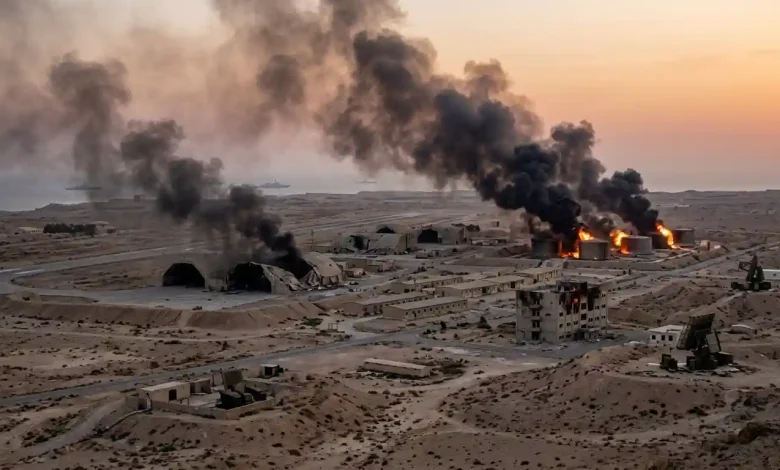
Table of Contents
Iranian military targets were subjected to a devastating five-hour bombardment by U.S. forces today, marking the latest escalation in a rapidly intensifying Middle Eastern conflict. In an official statement released by the U.S. Central Command (CENTCOM), officials confirmed that the multi-pronged operation specifically neutralized several high-value assets across Iranian territory. These included advanced maritime capabilities, missile and drone storage facilities, coastal surveillance sites, and critical air defense assets designed to limit international movement across local waterways. Following the previous night’s operations, the military’s latest actions mark the continuation of a relentless aerial campaign, closely succeeding the intense US strikes on Iran that occurred just twenty-four hours earlier.
Tactical Breakdown of the Five-Hour U.S. Offensive
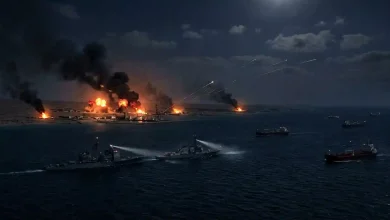
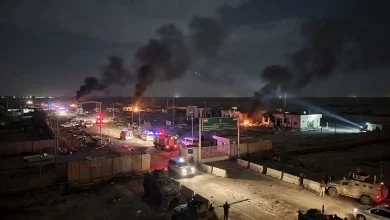
The latest five-hour waves of strikes involved a complex coordination of naval carrier-based strike fighters, strategic bombers, and precision-guided standoff missiles fired from warships stationed in the Arabian Sea. CENTCOM reported that the operation began in the late evening, aiming to catch local defenses off guard and minimize the window of response. Multiple explosions were reported by local media near strategic southern Iranian port cities, including Sirik, Bushehr, and Bandar Abbas, confirming the immense scale of the defensive suppression. This high-intensity bombardment serves to further degrade Tehran’s ability to mount retaliatory strikes against coalition assets and commercial shipping corridors.
Precision Strikes on Coastal Surveillance and Air Defenses
By crippling early warning radar arrays and coastal monitoring outposts, the U.S.-led operation has severely limited Iran’s situational awareness. These coastal surveillance sites had previously been used to track commercial tankers and provide real-time targeting telemetry to the Islamic Revolutionary Guard Corps (IRGC) naval branch. Alongside these monitoring facilities, multiple localized air defense assets, including Russian-made surface-to-air missile batteries, were systematically targeted and dismantled. The destruction of these defensive nodes creates significant gaps in Iran’s radar coverage, allowing coalition aircraft greater freedom of movement in subsequent missions.
Neutralizing Missile and Drone Storage Facilities
A primary objective of the five-hour offensive was the destruction of fortified inland storage depots housing uncrewed aerial vehicles (UAVs) and short-range ballistic missile systems. Military intelligence notes that even as ballistic missiles to evade US defenses are deployed by the Islamic Revolutionary Guard Corps (IRGC), the sheer volume of American ordnance has degraded major staging areas. Satellite imagery confirmed precision hits on subterranean bunkers that served as assembly points for the Shahed-class kamikaze drones that have repeatedly threatened regional waters. By striking these supply chains at their origin, military analysts believe the U.S. has temporarily blunted Iran’s capacity to orchestrate massive swarms of asymmetric attacks.
Timeline of the Escalating 2026 Conflict
To understand the magnitude of today’s strikes, one must examine the broader timeline. The current war officially began on February 28, 2026, when the U.S. and Israel launched joint air operations targeting nuclear development installations and high-ranking military leadership across Iran. Tehran responded swiftly, launching large-scale ballistic missile strikes against Israel and Gulf states hosting active U.S. military bases. This cycle of violence triggered a rapid escalation, converting localized hostilities into the wider 2026 Iran War, which has redefined security paradigms across the entire global landscape and brought traditional diplomatic negotiations to a complete standstill.
The Resumption of the Maritime Blockade and Gulf Security
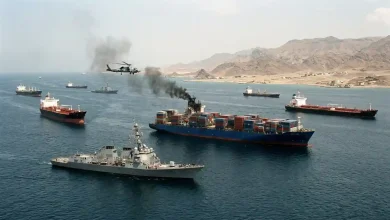
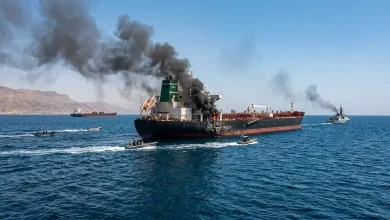
Compounding the kinetic air campaign is the strategic implementation of economic and physical blockades. Throughout July, U.S. forces have targeted dozens of military sites on land while simultaneously enforcing a strict naval blockade against Iran at sea. According to latest CENTCOM briefings, naval assets have successfully redirected nine commercial vessels and disabled another in an effort to enforce strict maritime quarantine protocols. This blockade aims to starve the Iranian regime of military imports and prevent the export of petroleum products used to fund proxy operations across the region. However, the blockade has also dramatically heightened naval frictions, as regional forces attempt to challenge the coalition’s cordon.
This dynamic has caused deep anxieties internationally as the Strait of Hormuz conflict escalates to levels not seen in decades. The choke point, through which approximately one-fifth of the world’s petroleum flows, has become a highly contested militarized zone, filled with naval mines, patrolling warships, and aggressive interception maneuvers by both sides.
Rising Human Toll and Regional Displacement
The geopolitical maneuvering carries an immense human cost that continues to mount daily. Continuous U.S.-Israeli strikes inside Iran, combined with intensive Israeli military operations targeting southern and eastern Lebanon, have claimed the lives of thousands of combatants and civilians alike. Humanitarian organizations estimate that over two million people have been internally and externally displaced across West Asia, creating an unprecedented migration crisis that has strained the resources of neighboring nations. The human cost for Washington is also mounting, with news that the number of US troops killed in action has now reached 18 in recent days, illustrating the intense risks faced by forward-deployed service members.
Trump’s Bridge-for-Ship Doctrine and Strategic Deterrence
Political developments in Washington have added further volatility to the conflict. President Donald Trump delivered an ultimatum on Wednesday, formalizing a severe “bridge-for-ship” retaliation policy. Under this doctrine, Trump vowed that the U.S. military would target and destroy an Iranian bridge or a major electrical power plant every single time an allied vessel is fired upon in the Strait of Hormuz. This rigid posture underscores a commitment to absolute economic deterrence, signaling that Washington is prepared to dismantle Iran’s civilian infrastructure if asymmetric maritime operations persist. This military pressure comes as the regional truce collapses as Trump warns of unprecedented devastation if Tehran does not submit to Washington’s terms.
Iran’s Warnings and Potential Economic Retaliation
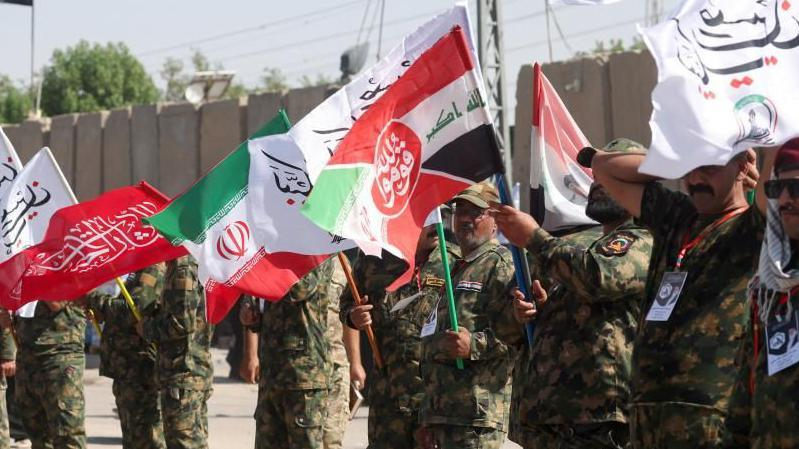
Tehran has met the U.S. ultimatums with fierce rhetorical defiance and threats of asymmetrical economic warfare. Iran’s joint military command issued a public warning through state-controlled media, declaring that if the Trump administration carries out its threats against domestic infrastructure, Iranian forces will immediately retaliate. The target list, according to state media, encompasses regional oil, gas, electricity, and economic facilities owned or hosted by U.S. allies in the Gulf. This threat puts neighboring energy giants in a precarious position, as they host the very bases from which U.S. bombers are launched.
Beyond the immediate Persian Gulf, proxy activities by Yemen’s Houthi rebels have left the Bab-el-Mandeb gateway threatened, resulting in multiple maritime security alerts. If these chokepoints are closed simultaneously, the global economy could face an unprecedented energy supply shock.
Strategic Assessment of Targets and Vulnerabilities
To fully grasp the parameters of this ongoing conflict, the following table details the primary strategic categories targeted by U.S. forces and their broader operational significance:
| Target Category | Primary Strategic Value | CENTCOM Assessed Damage Level |
|---|---|---|
| Maritime Capabilities | Fast attack crafts, mine-laying vessels, naval staging assets | Severe degradation; several craft disabled in southern ports |
| Missile & Drone Storage | Shahed-class UAV platforms and short-range ballistic arsenals | High impact; storage facilities in Sirik and Bushehr destroyed |
| Coastal Surveillance Sites | Over-the-horizon radars and monitoring outposts along Gulf | Moderate to high; electronic monitoring blindspots created |
| Air Defense Assets | Radar installations and surface-to-air missile launch pads | Systematic suppression; paved way for prolonged bomber runs |
Geopolitical Implications for Global Energy and Supply Chains
The systematic dismantling of Iranian capabilities combined with threats of infrastructure destruction has sent shockwaves through international markets. Global crude oil prices have surged as traders factor in the risk of prolonged blockades and potential strikes on Gulf production fields. Maritime insurance premiums for shipping vessels traversing the Middle East have reached historic highs, forcing several global logistics firms to reroute their fleets around the Cape of Good Hope, adding weeks to transit times. With the military standoff showing no signs of de-escalation, international diplomats warn that the window for a negotiated ceasefire is rapidly closing, leaving the world economy highly vulnerable to a sustained energy crisis.