Iran War: U.S. Completes 12th Consecutive Night of Airstrikes
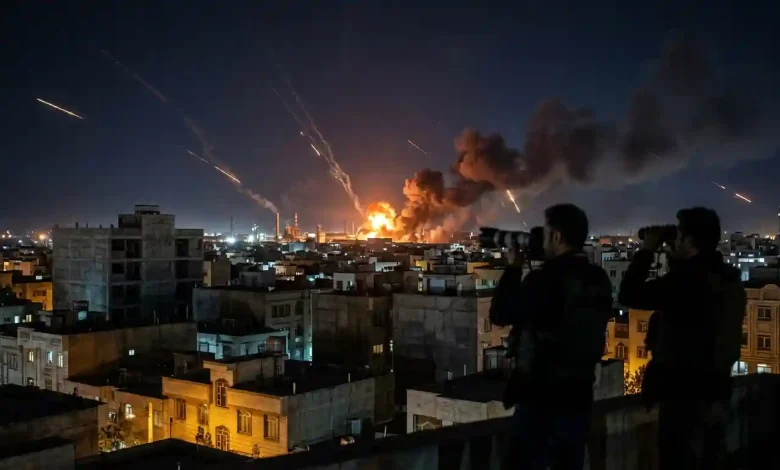
Table of Contents
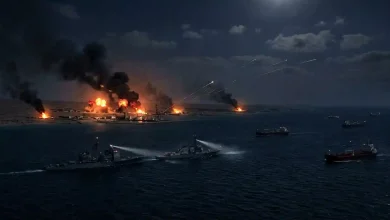
Iran war hostilities escalated to an unprecedented intensity on July 22, 2026, as the United States Central Command (CENTCOM) completed its twelfth consecutive night of targeted military strikes inside Iran. The latest operations signify a sharp elevation in regional warfare that began earlier this year. These high-intensity operations build upon the ongoing strikes on Iran by US Central Command, which have systematically dismantled key defense systems. Over a five-hour window during the night, U.S. forces successfully neutralized an array of tactical targets, aiming to severely degrade Tehran’s capacity to disrupt critical international shipping lanes.
Iran War Escalation: A Twelfth Night of Strategic Strikes
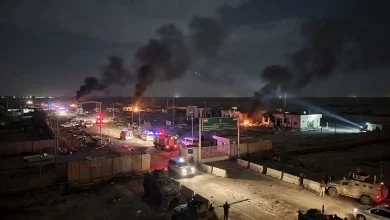
The campaign, ordered directly from the White House, marks one of the most sustained American aerial offensives in the region in decades. Military experts suggest that the sheer length and focus of the nightly bombardments represent a determined effort by Washington to establish absolute maritime superiority and restore deterrence in the Persian Gulf. Observers note that while the Pentagon maintains these strikes are retaliatory and defensive, the scale of the operations has effectively locked both nations into an active, high-stakes conflict. Local sources in southwestern Iran reported massive explosions near major military and logistics hubs, illuminating the night sky for hours.
Analyzing CENTCOM’s Strategic Targeting and Blockade
According to an official statement issued by CENTCOM, “U.S. forces struck Iranian military targets including maritime capabilities, missile and drone storage facilities, coastal surveillance sites, and air defense assets”. This offensive took place at the direct instruction of President Donald Trump. Since the beginning of July, American operations have transitioned from sporadic retaliatory actions to a coordinated campaign. This strategic shift occurred as Washington enacted a formal naval blockade against Iran, aiming to choke off the country’s petroleum exports and maritime communications. The naval blockade has forced multiple commercial tankers to redirect, while disabling other vessels found in violation.
CENTCOM officials emphasized that the primary objective of these strikes is to degrade Iran’s offensive potential before it can deploy systems against commercial traffic. By focusing heavily on surveillance sites and command nodes, the coalition has significantly reduced Tehran’s real-time visibility over the Strait of Hormuz, making it increasingly difficult for Iranian naval forces to track and intercept international merchant fleets.
Degrading Maritime Capabilities and Air Defense Assets
The destruction of maritime assets and advanced air defense networks remains a cornerstone of the Western military strategy. Without operational air defense systems, Iranian forces are highly vulnerable to precision munitions, forcing their command structures to operate under severe constraints. By systematically neutralizing coastal radar arrays and anti-ship missile storage depots, the United States seeks to remove the physical tools used by Iran to enforce its own self-declared transit fees and blockades in regional waters. Despite these tactical setbacks, Iran’s decentralized military structure has allowed it to maintain a degree of operational readiness through subterranean facilities and mobile launch platforms.
| Conflict Dimension | U.S. & Allied Actions / Targets | Iranian & Proxy Responses |
|---|---|---|
| Military Operations | 12 consecutive nights of airstrikes; five-hour operations targeting land & maritime systems. | Missile/drone strikes on Israel & Gulf bases hosting Western troops. |
| Chokepoint Control | Enforcing port blockade; redirecting nine commercial tankers violating bans. | Mining routes, stopping oil tankers, threatening full closure of the Strait of Hormuz. |
| Infrastructure Threat | President Trump threatens to bomb one bridge or power plant for every ship attacked. | Iran warnings to target regional oil, gas, and electricity facilities. |
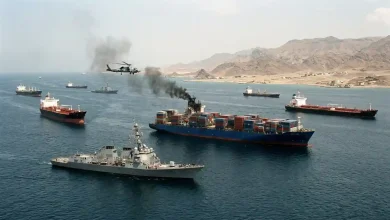
| Red Sea Proxy Front | Defense of shipping; escorting key cargo vessels transiting regional waters. | Yemeni Houthis attack Saudi tankers (e.g., Encelia) in the Red Sea. |
| Casualties & Costs | U.S. troop deaths rise to 18; billions in commercial shipping damages. | Thousands dead, millions displaced across Lebanon and Southwest Iran. |
The Chronology of Escalation: From February 28 to July
To understand the gravity of the current situation, one must look back to how this conflict originated. The hostilities escalate as the U.S.-Iran ceasefire collapses, highlighting the fragility of previous diplomatic efforts. The formal outbreak of the current war can be traced back to February 28, 2026. On that fateful day, a joint U.S. and Israeli air assault targeted high-level Iranian military and political officials, including Supreme Leader Ali Khamenei, in response to what Western intelligence characterized as an imminent threat of regional strikes. Iran instantly launched a sweeping counter-offensive, utilizing massive barrages of ballistic missiles and suicide drones to strike Israeli territories and multiple Western military installations located in Gulf states.
This triggered a rapid chain reaction, prompting the U.S. blockade on Iran and strikes escalating in the Gulf. In the early stages of this conflict, the international community hoped for a diplomatic off-ramp, but the situation rapidly grew into a full-scale regional conflagration. Over the past several weeks, the escalation has followed a relentless pattern. In July alone, U.S. forces have targeted dozens of military sites on land, marking consecutive waves of heavy aerial bombardment, including the notable sixth night of US attacks on Iran. These efforts have severely disrupted Iran’s command and control structures, though they have also provoked fierce asymmetric reactions from regional proxy forces.
Humanitarian Toll: Casualties, Displacements, and Troop Deaths
The human cost of this multi-theater war is staggeringly high. Joint U.S.-Israeli strikes on mainland Iran, combined with intensive Israeli military operations in Lebanon targeting Hezbollah networks, have killed thousands of civilians and combatants while displacing millions of people across West Asia. According to reports from the Iranian Ministry of Health, recent coalition airstrikes have killed at least 53 people and injured nearly 600 over the past month, with women and children accounting for a significant portion of the casualties.
In addition, the direct risk to American personnel has intensified. U.S. troop deaths in the theater have risen to 18 in recent days, following several lethal drone and missile attacks on regional forward-operating bases. On Wednesday, President Donald Trump attended the dignified transfer of four American service members killed in action, highlighting the severe toll the conflict is taking on coalition forces. This rising casualty rate has hardened Washington’s political resolve, pushing the administration toward even more aggressive military postures to secure the region’s shipping lanes and safeguard its military assets.
Civilian Infrastructure Threat: Bridges, Power Plants, and Red Lines
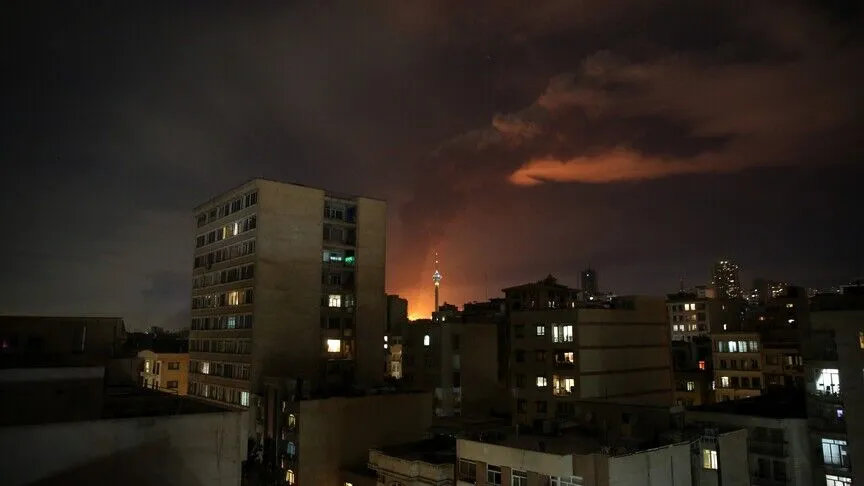
The political rhetoric surrounding the conflict has reached a boiling point. On Wednesday, President Donald Trump delivered an ultimatum, warning that any future Iranian attack on commercial vessels in the Strait of Hormuz would result in immediate, disproportionate strikes against Iran’s vital domestic infrastructure. Specifically, Trump vowed to destroy an Iranian bridge or power plant every time the Islamic Republic shoots at a ship in the Strait of Hormuz. This threat marks a massive departure from standard targeting protocols, raising fears of a transition toward total war. This hardline stance comes in the wake of the ongoing US military strikes on Iran and the Strait of Hormuz crisis, where Washington has continuously sought to keep the vital shipping channel open despite Iranian resistance.
The targeting of civilian-use infrastructure, such as electrical grids and transportation links, remains a highly controversial subject under international humanitarian law. Under the 1949 Geneva Conventions, attacking sites essential to the survival of the civilian population is strictly prohibited unless those structures are directly being utilized for military purposes. However, the Trump administration has previously threatened to expand its strike list to encompass non-military energy plants and bridges, arguing that Tehran’s economic resources directly fuel its regional proxy activities.
The Rhetoric of Asymmetric Retaliation
Tehran has met these threats with firm resistance and counter-warnings. Iran’s joint military command—specifically the Khatam al-Anbiya Central Headquarters—responded with its own warnings, stating that any Western attack on the country’s civilian infrastructure would trigger immediate retaliatory strikes. Iranian state media quoted military commanders who declared that if the threat were carried out, Iranian forces would target regional oil, gas, electricity, and economic facilities. Furthermore, Iranian Parliament Speaker Mohammad Bagher Ghalibaf warned that “if Iran doesn’t sell its oil, no one in the region will sell any,” raising the specter of a total energy shutdown in the Middle East.
The Red Sea Front: Houthi Attacks on Saudi Oil Tankers
Adding further complexity to the conflict, the crisis has spilled over into the Red Sea, where the Yemen-based Houthi rebels have initiated their own maritime blockade. Just hours after the latest U.S. strikes, the Houthis claimed responsibility for launching missile and drone attacks against two Saudi Arabian oil tankers in the Red Sea. This aggressive maneuver has created a double-chokepoint crisis, as the Houthis blockade Saudi ships as US-Iran tensions reach their absolute peak. This coordination between Iran and its regional allies indicates a unified strategy to cripple global energy corridors, turning the Red Sea and the Gulf of Aden into highly active combat zones where civilian commercial transit has become virtually impossible.
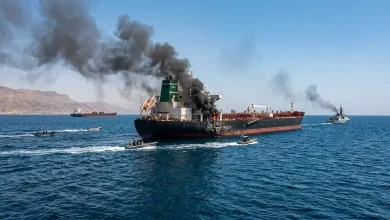
The targeted Saudi tanker, identified by maritime authorities as the Encelia, suffered a fire in its forward section, though its crew managed to contain the blaze without any reported injuries. This attack represents a direct challenge to regional powers like Saudi Arabia, which has attempted to balance its strategic ties with Washington while avoiding a direct military confrontation with Tehran.
Economic Aftershocks and Global Oil Security
The economic fallout of these simultaneous maritime disputes is already shaking global financial markets. The Houthi embargo targets Saudi shipping directly, compounding the maritime chaos and sending crude oil prices surging to multi-year highs. Shipping executives have warned that insurance premiums for transiting Middle Eastern waters have skyrocketed, causing many global logistics firms to entirely abandon routes through the Suez Canal and the Strait of Hormuz. Instead, vessels are being rerouted around the Cape of Good Hope, adding weeks to transit times and fueling inflationary pressures worldwide. This economic weaponization of shipping lanes has transformed a regional military clash into a pressing global financial crisis.
With both the Strait of Hormuz and the Bab al-Mandab strait effectively contested, global energy analysts fear that a prolonged conflict could spark an energy supply crisis reminiscent of the 1970s. Central banks around the world are closely monitoring the situation, preparing for potential interest rate adjustments as transportation and fuel costs continue to rise.
Geopolitical Outlook and Diplomatic Deadlock
Despite backchannel efforts and appeals from international bodies, diplomatic paths toward a ceasefire remain completely deadlocked. The United States and Israel have maintained that military pressure is the only viable method to stop Iranian regional influence and dismantle its nuclear infrastructure. Conversely, Iran’s political leadership has shown no willingness to capitulate under military duress, framing the war as an existential struggle against foreign hegemony. As the twelfth night of strikes concludes, the international community faces the grim reality of a prolonged, escalating conflict with no clear end in sight.