Measles Outbreak: PA Hospitalizations Rise to 155 Amid Dispute
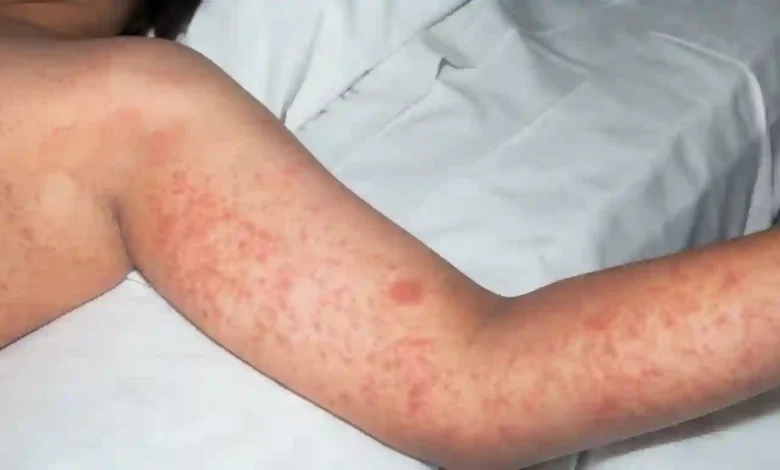
Table of Contents
Measles outbreak metrics throughout Pennsylvania reached new severity thresholds as the state health department officially verified 155 hospitalized patients, marking an increase from the 150 hospital admissions logged previously. The expanding patient count demonstrates continuing transmission vectors across vulnerable communities, generating intense operational pressure on clinical networks and medical care centers. Lancaster County continues to function as the primary regional epicenter, bearing the overwhelming majority of inpatient presentations, pediatric emergency consultations, and severe clinical complications requiring specialized pulmonary interventions.
The compounding epidemiological crisis extends far beyond acute medical wards into the political arena. State officials and federal health regulators have become embroiled in a contentious dispute concerning casualty reporting, data validation protocols, and mortality attributions. Governor Josh Shapiro and federal leaders, including U.S. Health Secretary Robert F. Kennedy Jr., have publicly diverged over how many resident fatalities should be directly categorized under the viral disease rather than incidental pre-existing morbidities. Because the Centers for Disease Control and Prevention has deferred logging Pennsylvania’s latest fatalities within the nationwide tally pending methodology reassessment, health institutions face unprecedented ambiguity regarding standard classification benchmarks.
Surge in Hospital Admissions Across Pennsylvania
Hospital admissions linked to the infectious rubeola strain have steadily climbed over sequential reporting windows. Regional health networks in central and southeastern Pennsylvania have established surge triage units to isolate suspected presentations rapidly before hospital waiting areas become contamination corridors. Because measles holds an estimated basic reproduction number (R0) exceeding twelve to eighteen in completely unimmunized environments, each acute admission represents multiple downstream exposure incidents among emergency room visitors, healthcare practitioners, and community members.
Critical care facilities report that hospitalized individuals consistently exhibit severe secondary pathologies. Respiratory failure, profound dehydration driven by severe gastrointestinal involvement, and severe secondary bacterial infections represent the overwhelming justifications for prolonged bed occupancy. Frontline physicians emphasize that inpatient care demands strict negative-pressure isolation suites, placing acute infrastructural strain on municipal hospitals that maintain limited specialized isolation spaces. As documented across previous surveillance intervals observing measles-associated complications, institutional containment depends heavily on early clinical recognition and prompt serological confirmation before symptoms progress to critical pulmonary decompensation.
Lancaster County Remains Hardest-Hit Epicenter
Lancaster County has maintained its status as the regional epicenter since the first clusters emerged. The geographical concentration of cases reflects distinct localized demographic characteristics, communal living environments, and historical gaps in childhood vaccination uptake. Regional clinics have documented significant clusters within non-immunized generational cohorts where generational immunity has diminished and natural herd immunity thresholds have eroded below necessary ninety-five percent protection benchmarks.
Public health field teams dispatched throughout Lancaster County note that trust deficits regarding conventional immunization programs continue to impede rapid containment interventions. Despite extensive outreach initiatives conducted by county health nurses and localized medical practitioners, post-exposure prophylaxis administration rates remain subdued. This resistance mirrors broader societal patterns where vaccine trust declines have complicated routine containment protocols, transforming what was once an easily manageability localized viral incident into an extended statewide hospital surge.
The Shapiro-Kennedy Fatality Classification Clash
A contentious political controversy erupted following the official reporting of measles-related deaths among unvaccinated Pennsylvania residents. Pennsylvania Governor Josh Shapiro affirmed that state epidemiological investigations conclusively linked these fatal patient trajectories directly to acute respiratory failures caused by measles infection. Shapiro emphasized that public transparency mandates documenting these mortalities as preventable outcomes resulting directly from unchecked viral transmission within communities lacking adequate vaccine uptake.
Conversely, U.S. Health Secretary Robert F. Kennedy Jr. challenged the state’s causal framework, suggesting that multi-organ failures and complex underlying co-morbidities precluded attributing these mortalities solely to measles infection. The federal stance advocates for stricter causal attribution criteria, arguing that individuals presenting with severe underlying metabolic, chronic cardiopulmonary, or secondary septic complications should not have their fatal endpoints categorized under the primary rubeola code unless direct viral tissue destruction is uniquely identified as the sole precipitating factor. This ideological divide highlights fundamental disagreements surrounding federal public health governance and reflects broader debates regarding national health guidance and federal childhood vaccine policies.
CDC Methodology Under Review
Caught within this intergovernmental confrontation, the Centers for Disease Control and Prevention has intentionally withheld Pennsylvania’s recent fatal statistics from its national surveillance dashboard. Rather than integrating the figures confirmed by state vital statistics bureaus, federal epidemiologists confirmed an internal operational review evaluating how viral-induced mortality should be categorized during multi-organ failure events.
This methodology review represents an unusual delay in national reporting standards. Historically, federal epidemiologists defer to certifying state medical examiners and attending physicians regarding immediate and underlying causes of death recorded on standard vital registration documents. Adjusting this framework risks establishing conflicting datasets between state public health registries and federal tracking indices, complicating epidemiological comparisons, international notifications, and longitudinal evaluations of national herd immunity stability.
Clinical Vulnerabilities Among Unvaccinated Demographics
Clinical registries across Pennsylvania indicate that the overwhelming majority of hospitalized individuals share a singular common factor: the total absence of previous measles-mumps-rubella (MMR) immunization. Among individuals lacking functional neutralizing antibodies, exposure almost universally yields acute systemic viremia. Initial symptoms including high fevers, the signature maculopapular exanthem, conjunctivitis, and coryza frequently evolve into debilitating lower-airway compromises requiring intensive supplemental oxygen therapy.
The acute vulnerability of pediatric populations has emerged as a central concern for clinical teams. Children under five years old experience elevated susceptibility to viral bronchopneumonia, which accounts for the vast majority of severe pediatric morbidity. Furthermore, immune system reprogramming caused by the measles virus—a phenomenon known as immune amnesia—strips surviving patients of previously acquired immune memory against unrelated pathogens, leaving children vulnerable to secondary opportunistic infections for months post-discharge. Diminishing baseline protection has been aggravated by downward shifts in kindergarten vaccination rates across regional school districts.
Comparative Outbreak Metrics and Surveillance Data
To contextualize the scale and trajectory of the ongoing Pennsylvania outbreak, regional and operational metrics provide clear insight into hospital load distributions, diagnostic trends, and administrative bottlenecks.
| Metric Category | Pennsylvania Current Status | Lancaster County Focus | Historical Baseline (Pre-Outbreak) |
|---|---|---|---|
| Confirmed Inpatient Hospitalizations | 155 Patients | 108 Patients (Hardest-Hit) | < 5 per annum |
| Prior Reporting Period Admissions | 150 Patients | 102 Patients | 0-2 baseline |
| Primary Clinical Presentation | Severe Pneumonia & Dehydration | Pediatric Airway Distress | Isolated febrile illness |
| Vaccination Status of Inpatients | > 92% Unvaccinated | > 96% Unvaccinated | High regional coverage (>94%) |
| Mortality Status in State Dashboard | Confirmed State Totals Active | Concentrated Fatalities Recorded | Zero local fatalities |
| CDC National Registry Status | Under Methodological Review | Exclusion Pending Federal Audit | Immediate Concordance |
Broader Immunization Landscape and Health Policy Strains
The escalation of cases in Pennsylvania reflects deeper systemic vulnerabilities affecting national public health prevention structures. Over consecutive school years, non-medical exemption requests have climbed steadily across rural and suburban school districts, depressing overall population-level protection thresholds. Where community coverage drops below critical levels, the firewall preventing community transmission collapses, exposing infant populations ineligible for vaccination due to age constraints.
Public health leaders note that shifting administrative attitudes toward preventative health care have contributed to institutional friction. Discussions surrounding shifts in the national childhood vaccine schedule have generated confusion among parents evaluating baseline pediatric immunizations. This policy uncertainty, combined with diminished localized investments in community public health clinics, has degraded the operational capacity necessary to sustain comprehensive childhood vaccine coverage across high-density educational environments and daycares.
Long-Term Epidemiological Projections for Regional Public Health
Epidemiological forecasting indicates that the hospital surge will likely persist until localized immunity gaps are systematically identified and closed through aggressive mobile clinic deployments and evidence-based clinical outreach. Without substantial increases in community uptake of the standard two-dose MMR series, seasonal respiratory infection waves could compound inpatient bed scarcity, compounding pressure on regional critical care divisions.
Healthcare professionals emphasize that resolving the data-reporting dispute between state and federal authorities remains critical for operational clarity. When vital statistics registries present divergent mortality assessments, public messaging loses institutional clarity, eroding civil compliance with standard quarantine protocols. Federal agencies and state administrations must harmonize reporting criteria to restore public trust, track transmission chains, and coordinate resources effectively against broader national vulnerabilities and regional measles alerts and travel transmission vectors affecting adjacent interstate corridors.