Cuba Water Crisis Deepens Across Havana Tenements Amid Blackouts 2026
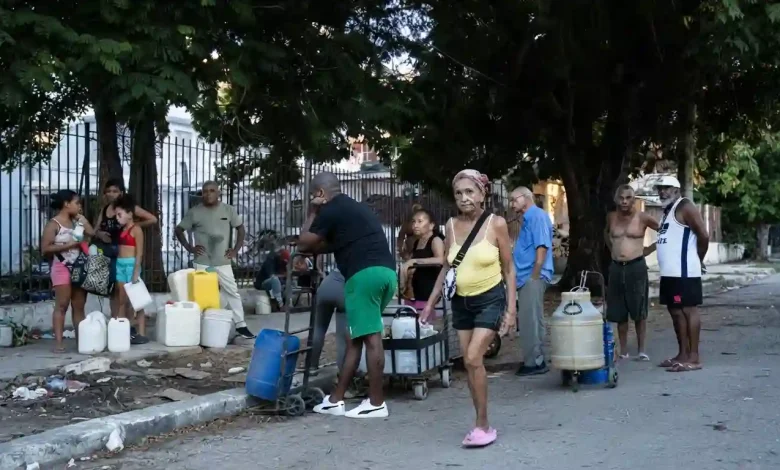
Table of Contents
Cuba water crisis developments have reached a perilous breaking point across urban centers, directly destabilizing residential tenements in Old Havana where basic services continue to erode. When water abruptly surged into the subterranean cistern of a crumbling multi-family dwelling late Tuesday, Cuban housewife Yuamilka Hechavarria was startled awake from sleep. Moving frantically through the pitch-black corridors during a rolling electrical blackout, she grabbed plastic containers to top off a bucket before municipal pressure vanished entirely. For the exhausted occupants of her decaying residential block, this fleeting midnight trickle marked the first time running water had reached their building in over two months.
Midnight Scramble in Havana
The ordeal faced by Yuamilka Hechavarria is far from an isolated mishap; it reflects daily existence for hundreds of thousands of urban residents who navigate simultaneous breakdowns in sanitation, power generation, and municipal administration. When the flow arrived without warning in the early hours, families throughout the dilapidated neighborhood were forced to improvise in complete darkness. Lacking municipal advance notices, residents rely on audio cues—the hollow echo of water splashing against dry cistern concrete—to initiate a frantic rush with pails, jugs, and repurposed soda bottles.
In dense neighborhoods like Centro Habana and Habana Vieja, architectural decay compounds logistical obstacles. Many residential properties date back centuries, featuring fractured piping networks, missing valves, and compromised storage tanks. When water supply lines are briefly pressurized, leaking pipes divert substantial volumes before taps register measurable output. Families living on upper levels face an even harsher predicament: absent sufficient hydraulic pressure or operating electric pumps, upper-story apartments rarely receive a drop, requiring manual hauling up precarious staircases in darkness.
The Anatomy of an Urban Infrastructure Breakdown
The physical collapse of the capital’s water delivery framework stems from decades of capital underinvestment, inadequate preventative maintenance, and severe shortages of specialized components. Hydraulic engineers estimate that more than half of the treated water entering Havana’s municipal system escapes through subterranean fractures before ever reaching end users. Outdated Soviet-era cast-iron pipes and colonial aqueducts have deteriorated beyond the capacity of simple patch repairs.
Compounding the municipal crisis is an acute lack of replacement pumping equipment and heavy machinery. Decades of economic isolation, fiscal distress, and sovereign debt issues have left state utility Aguas de La Habana incapable of procuring industrial water pumps, treatment chlorination compounds, or fuel for maintenance fleets. This decay echoes broader disruptions seen across developing economies, where public infrastructure degradation triggers severe urban vulnerabilities, closely mirroring how an oil supply crisis impairs basic state logistical operations.
Cascading Crises: Blackouts and Grid Failure
Water delivery across Havana relies completely on municipal pumping stations, which are intrinsically tied to an unstable electric grid. When thermoelectric power stations suffer emergency shutdowns or run short of imported fuel, pumping facilities immediately go offline. Without continuous electricity, distribution circuits lose operational pressure, pulling contaminants into empty pipes and initiating a prolonged delay when electricity returns, as networks must be purged of air and slowly re-pressurized.
The compounding impact of rolling power cuts has intensified social friction throughout the island. Civil frustration has mounted steadily, drawing direct comparisons to widespread civil unrest documented when severe cuba blackouts trumps silent blockade sparks mass protests paralyzed transportation and community services. When neighborhoods endure 12 to 18 hours of daily power cuts, the synchronization between power restoration and municipal water distribution becomes exceptionally rare, leaving entire quarters deprived of basic running water for weeks at a time.
Havana Infrastructure and Water Delivery Metrics
The intersection of power failures, pipeline degradation, and chronic supply shortages can be seen in key operational metrics tracking urban utility delivery in Havana:
| Infrastructure Component | Historical Baseline (2018) | Current Estimated Status | Operational Impact on Citizens |
|---|---|---|---|
| Treated Water Lost to Leaks | 38% – 42% | 58% – 64% | Severe drop in municipal distribution pressure |
| Average Daily Running Water Supply | 16-20 Hours | 2-4 Hours (Irregular) | Widespread reliance on emergency buckets and cisterns |
| Functional Municipal Water Trucks (Pipas) | Approx. 180 Units | Fewer than 65 Active | Multi-week waiting times for emergency deliveries |
| Pumping Station Fuel Reserves | 30-Day Contingency | Critical / Daily Rationing | Instant suspension of water pumping during blackouts |
| Population Reliant on Truck Deliveries | 120,000 Residents | Over 650,000 Residents | High prices in informal private water markets |
Severe Public Health and Sanitation Consequences
The prolonged absence of reliable municipal water carries immediate epidemiological dangers. As households store stagnant water in uncovered tubs, buckets, and plastic basins, domestic spaces become optimal breeding grounds for Aedes aegypti mosquitoes, driving spikes in dengue fever and Oropouche virus transmissions across the capital. Sanitation standards fall drastically when running water is unavailable for personal hygiene, laundry, and toilet maintenance.
Furthermore, structural vacuum pressure within decaying aqueduct pipes pulls raw sewage and street-level contaminants into the potable water system whenever pumping stations abruptly shut down. Medical facilities have warned against consuming tap water without boiling, yet fuel and cooking gas shortages make regular sterilization impossible for vulnerable households. These sanitation hazards resemble biological emergencies observed globally, such as broader food and water contamination events like a severe cyclosporiasis outbreak that spreads through compromised utility vectors, or localized enteric illness tracked during a lettuce outbreak michigan cyclosporiasis cases investigation where broken safety protocols exposed vulnerable communities to severe disease.
Economic Paralysis and the Black-Market Water Trade
The failure of state-run utilities has fueled a thriving underground economy centered entirely on potable water distribution. Independent operators possessing private water trucks, locally called pipas, charge exorbitant rates to fill domestic cisterns. A single truckload of untreated water can command prices exceeding several thousand Cuban pesos—far surpassing the base monthly pension or state salary of ordinary citizens like Yuamilka Hechavarria.
Those lacking financial resources to hire private water trucks remain entirely dependent on erratic state deliveries or charity from neighbors. This economic stratification worsens daily stress across urban hubs, intersecting with broader macroeconomic initiatives where officials attempted internal restructuring, including measures detailed under cuba economic reforms island passes 176 market mechanisms that struggled to stabilize domestic purchasing power. The desperation in municipal Havana echoes historical instances of state distress, including systemic resource reallocation examined in venezuelas crossroads the maduro era and the geopolitics of survival, showing how macroeconomic collapse strips communities of their most fundamental daily necessities.
State Response Versus Systemic Realities
Government authorities routinely attribute utility failures to external factors, emphasizing strict financial sanctions, foreign exchange constraints, and an inability to acquire spare industrial components on international markets. Diplomatic isolation continues to hamper efforts to secure critical foreign development loans, a reality highlighted during international engagements such as the cuba summit flop why brazil mexico and spain were the only attendees, which failed to generate substantial infrastructure investments. At the same time, geopolitical alliances that saw reports where cuba sends 5000 fighters to russia trump warns of action have not yielded modern municipal equipment or the capital needed to revitalize crumbling public works.
Meanwhile, municipal workarounds deployed by local officials remain cosmetic. Emergency water trucks prioritize state-run hospitals, tourist hotels, and administrative facilities, leaving residential sectors at the bottom of delivery manifests. When municipal crews attempt localized pipe excavations, they frequently uncover cast-iron infrastructure so corroded that standard replacement clamps cause neighboring segments to crumble, turning minor repair attempts into indefinite system shutdowns.
The Long-Term Outlook for Municipal Restoration
Resolving Havana’s water emergency demands a complete overhaul of the capital’s hydraulic grid, requiring billions of dollars in capital investment, comprehensive electrical stabilization, and modern pressure-regulation systems. Without sustainable electric power to drive regional pumping facilities, isolated pipe repairs provide merely temporary relief to deeply compromised neighborhoods.
For residents like Yuamilka Hechavarria, macroeconomic projections offer little comfort against immediate survival needs. As night descends on Old Havana, families keep plastic buckets, cooking pots, and makeshift siphons positioned beside dry faucets, bracing for another unpredictable surge of running water amid ongoing power cuts. Until systemic municipal repairs replace temporary palliatives, the nightly struggle to capture basic water in darkness remains an enduring reality of urban Cuban life.